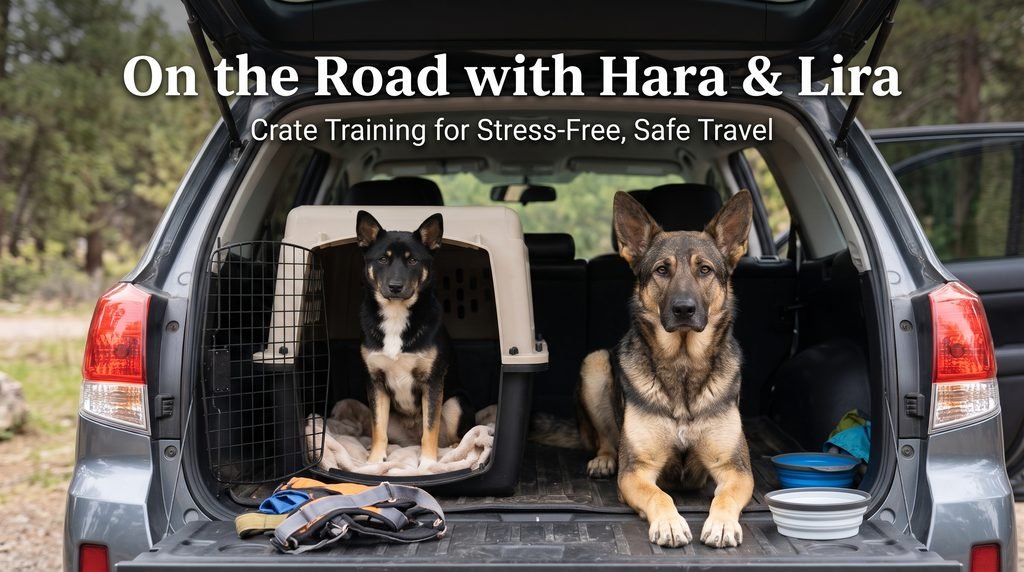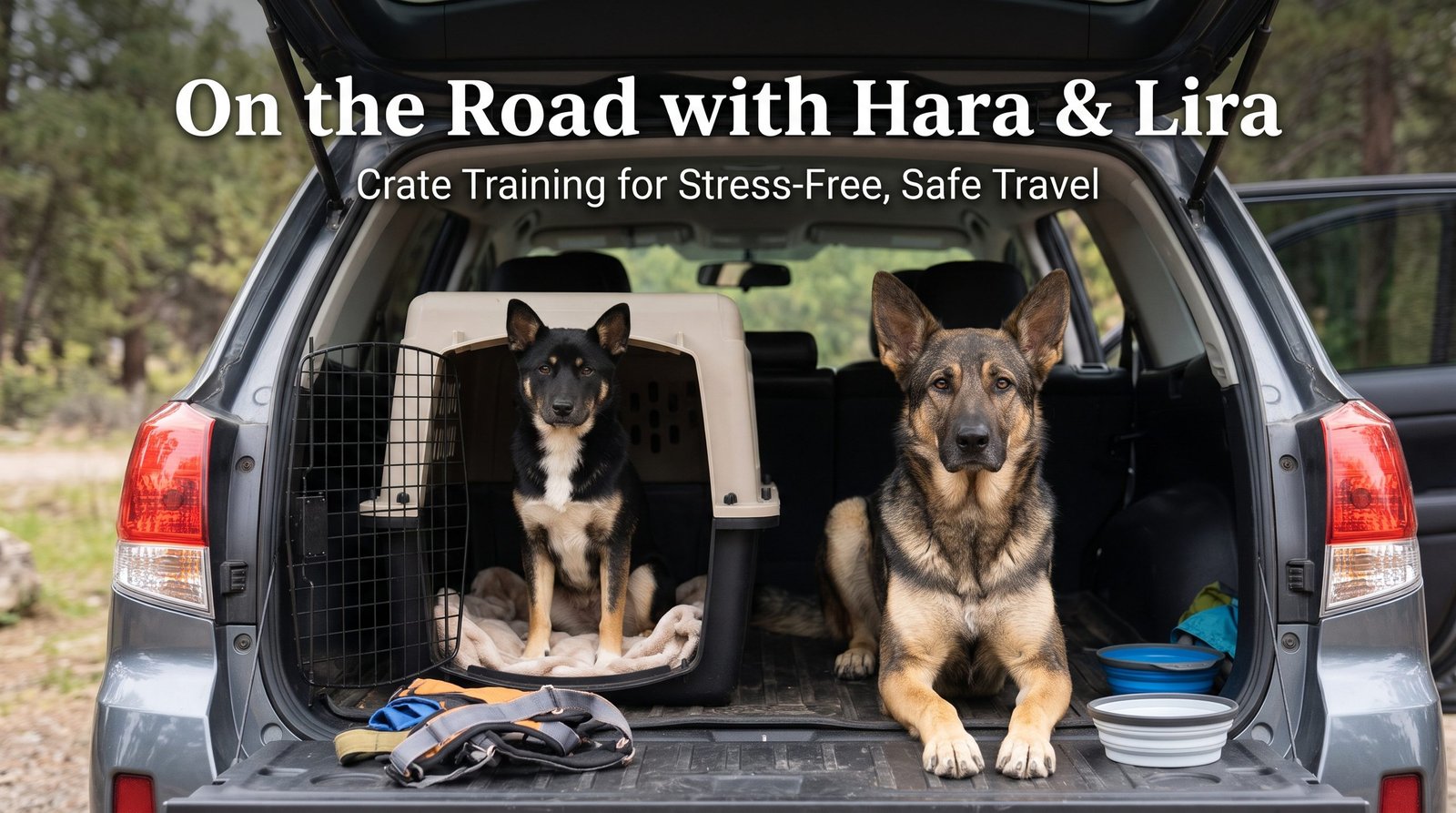
Implementing a structured approach to dog car sickness crate training is essential before embarking on a long-distance road trip with your dog. While travel should be an enjoyable adventure, for dogs unaccustomed to vehicle dynamics, it frequently deteriorates into an ordeal of vestibular disorientation and acute distress. Excessive panting, compulsive lip-licking, hypersalivation, and recurrent emesis inside a vehicle are physiological responses to unstable balance and sensory overload. Allowing dogs to roam freely across the back seat or ride on laps severely magnifies these issues by exposing them to jarring visual motion and centrifugal momentum, while posing fatal projectile hazards during sudden deceleration. The definitive clinical solution is establishing a systematic crate habituation protocol that secures physical stabilization and minimizes disorienting external stimuli.
1. The Physiological and Behavioral Triggers of Canine Travel Sickness
Vestibular Disruption and Sensory Mismatch
Canine equilibrium is regulated by the vestibular apparatus within the inner ear. When an automobile navigates curves, brakes, or encounters uneven pavement, a fundamental discord arises between the motion registered by the inner ear and the relative visual cues perceived within the cabin. This sensory disparity stimulates the chemoreceptor trigger zone (CRTZ) in the brainstem, precipitating nausea. Immature inner ear anatomy makes younger dogs exceptionally susceptible, but unanchored adult dogs lacking structural support suffer identical physiological distress.
Psychological Conditioning and Negative Associations
Canines possess potent associative learning capabilities. If initial vehicle journeys consistently lead to veterinary clinics, painful treatments, or traumatic episodes of motion sickness, the vehicle itself becomes a conditioned fear stimulus. Approaching the car triggers an immediate sympathetic nervous system response: tachycardia, tachypnea, and muscular rigidity, which directly lower the physiological threshold for motion-induced nausea.
2. The 4-Stage Progressive Crate Conditioning Protocol
Crate adaptation cannot be forced upon departure day. It demands a systematic desensitization and counter-conditioning timeline executed across two to three weeks.
[Stage 1: Open Indoor Habituation & Value Association]
   ↓
[Stage 2: Door-Closure Desensitization & Duration Building]
   ↓
[Stage 3: Stationary Vehicle Crate Acclimation]
   ↓
[Stage 4: Engine Idle Habituation & Micro-Distance Journeys]
- Open Indoor Habituation & Value Association
- Position the travel crate in a high-traffic yet relaxed domestic space with the door unhinged or latched securely open.
- Place familiar bedding inside. Rather than forcing entry, reward independent exploration and sniffing with high-value protein rewards.
- Scatter meals and long-lasting chew treats deep inside the unit to establish a positive cognitive link.
- Door-Closure Desensitization & Duration Building
- As the dog comfortably occupies the crate, shut the door for 5-second intervals during feeding sessions.
- Progressively extend the closure duration to 1, 5, and 15 minutes. Crucially, withhold door release if the dog paws or barks; release must exclusively correspond with calm, settled behavior to avoid reinforcing vocal exit demands.
- Stationary Vehicle Crate Acclimation
- Mount and anchor the travel crate securely into the SUV cargo area or rear footwell using heavy-duty ratchet straps.
- Place the dog inside the vehicle-mounted crate with the engine off. Deliver high-value rewards and remain calmly beside the vehicle for 10 minutes before returning indoors.
- Engine Idle Habituation & Micro-Distance Journeys
- Introduce mechanical vibrations by idling the engine while the dog rests inside the secured crate.
- If the dog displays zero signs of distress, execute a 2-minute drive within a quiet neighborhood. Immediately upon return, conclude with an energetic walk or preferred engagement game to forge a positive trip-conclusion association.
3. Road Trip Day Operational Protocol
Systematic preparation on the day of departure ensures that residual motion sickness triggers are comprehensively neutralized.
| Departure Timeline | Critical Action Protocol | Operational Objective |
| 4–6 Hours Pre-Departure | Withhold all solid meals; restrict to minimal water intake. | Empties gastric contents, mitigating the physical capacity for emesis. |
| 30 Minutes Pre-Departure | Conduct an active 20-minute walk with designated elimination stops. | Depletes excess physical energy and relieves bladder and bowel pressure. |
| In-Transit (Every 1.5–2 Hours) | Execute mandatory stops at rest stations; allow hydration and walking. | Alleviates joint stiffness, dissipates muscular tension, and offers respite. |
| Cabin Climate Optimization | Maintain cabin temperature at 20–22°C (68–72°F) with active airflow. | Suppresses heat-induced nausea and hyperventilation. |
Critical Safety Warning: Never unlatch the vehicle doors or crate without first attaching a secure leash to the dog’s harness. Sudden auditory stimuli at roadside stations can trigger panic-flight responses into active traffic lanes.
4. Vehicle Crate Anchor Dynamics and Placement Specifications
- SUV / Cargo Space Configuration: Align the crate parallel to the vehicle chassis within the rear cargo space. Anchor the crate directly to factory-installed cargo tie-down points using multi-point, tensioned ratchet straps. Zero lateral or longitudinal play should exist upon full tightening.
- Passenger Car (Sedan) Footwell Placement: For smaller breeds, wedging the carrier securely into the footwell behind the front passenger seat provides exceptional structural stability. For larger crates placed on rear bench seats, feed the automotive seatbelt through certified crash-tested restraint handles. Front passenger seat placement is strictly prohibited due to explosive airbag deployment risks.
Frequently Asked Questions (FAQ)
Q1. What immediate action should be taken if a dog starts panting and drooling during transit?
This signals early-stage vestibular disorientation. Safely pull over at the nearest exit, turn off the engine, and allow the dog to step out into cool, ambient air. Do not offer large volumes of water immediately, as sudden stomach distension can trigger reflex vomiting.
Q2. When should prescription antiemetics (e.g., Maropitant citrate) be administered?
Veterinary-prescribed neurokinin-1 (NK1) receptor antagonists are typically administered 1 to 2 hours prior to travel with a negligible amount of food. Dosage must strictly adhere to veterinary instruction based on body mass.
Q3. Does placing a breathable cover over the crate help reduce anxiety?
Yes. Draping a light, breathable textile over the outer wire or ventilation ports eliminates rapid peripheral visual motion, significantly reducing visual-vestibular conflict and optic flow vertigo.
Eliminating canine motion sickness and travel anxiety requires methodological patience, not hasty shortcuts. Begin this week by placing a crate in your living room and building positive associations. A structured crate training regimen guarantees a secure, vomit-free, and anxiety-free journey while ensuring the ultimate physical safety of your canine companion.
- Meta Description: Eliminate canine motion sickness and car anxiety with our 4-stage vehicle crate training guide, travel-day checklist, and vehicle anchoring protocols.