Fast 3-Step Routine for Cleaning and Drying Dog Paws and Wet Coats After Rain or Snow
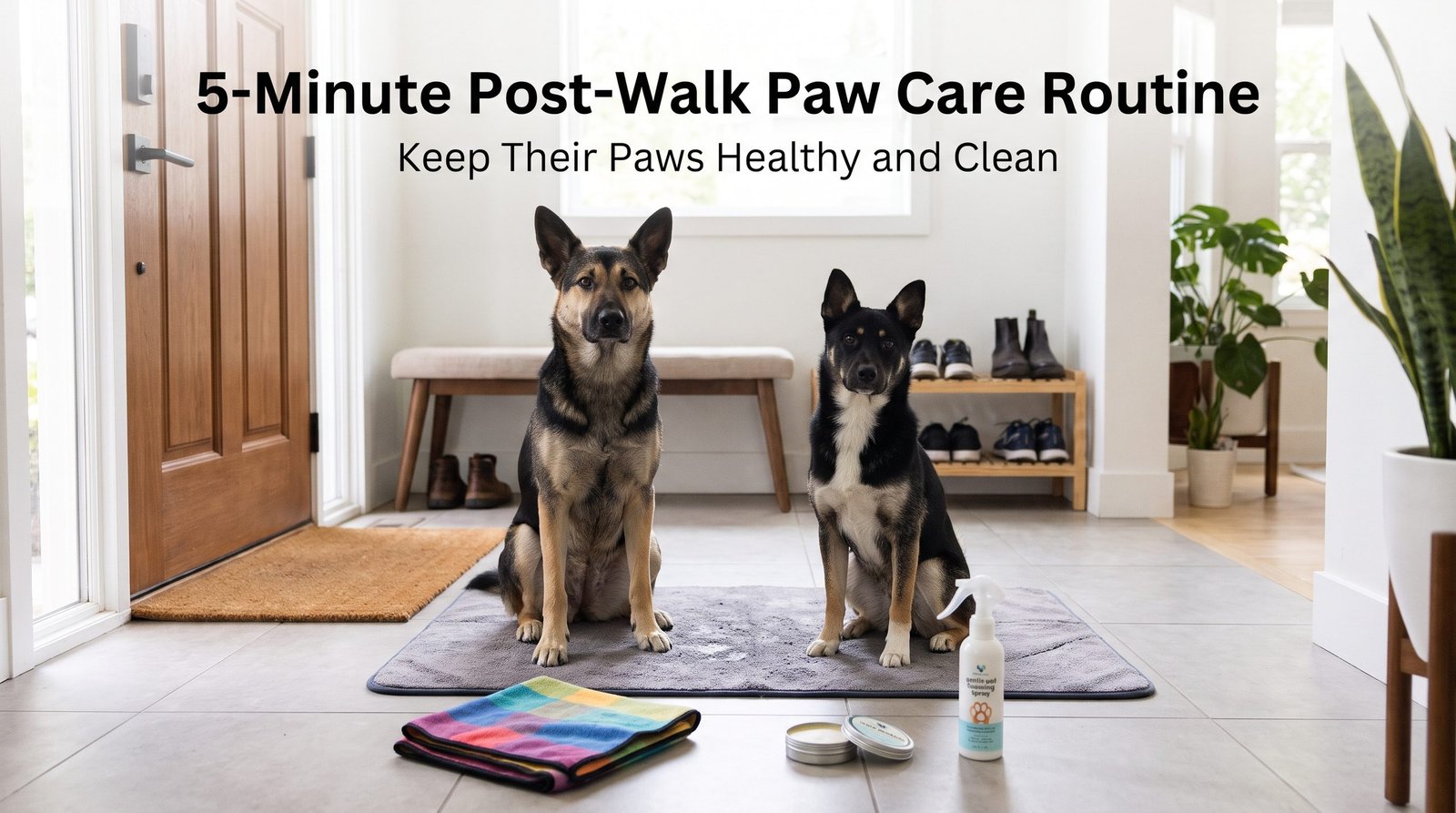
Establishing a swift protocol for cleaning and drying dog paws the moment a dog crosses the threshold after a trek through rain, slush, or winter snow prevents pododermatitis and severe fur matting. Trapped moisture combined with canine body heat transforms the webbing between paw pads into an optimal incubator for Malassezia yeast and pathogenic staphylococci. … Read more
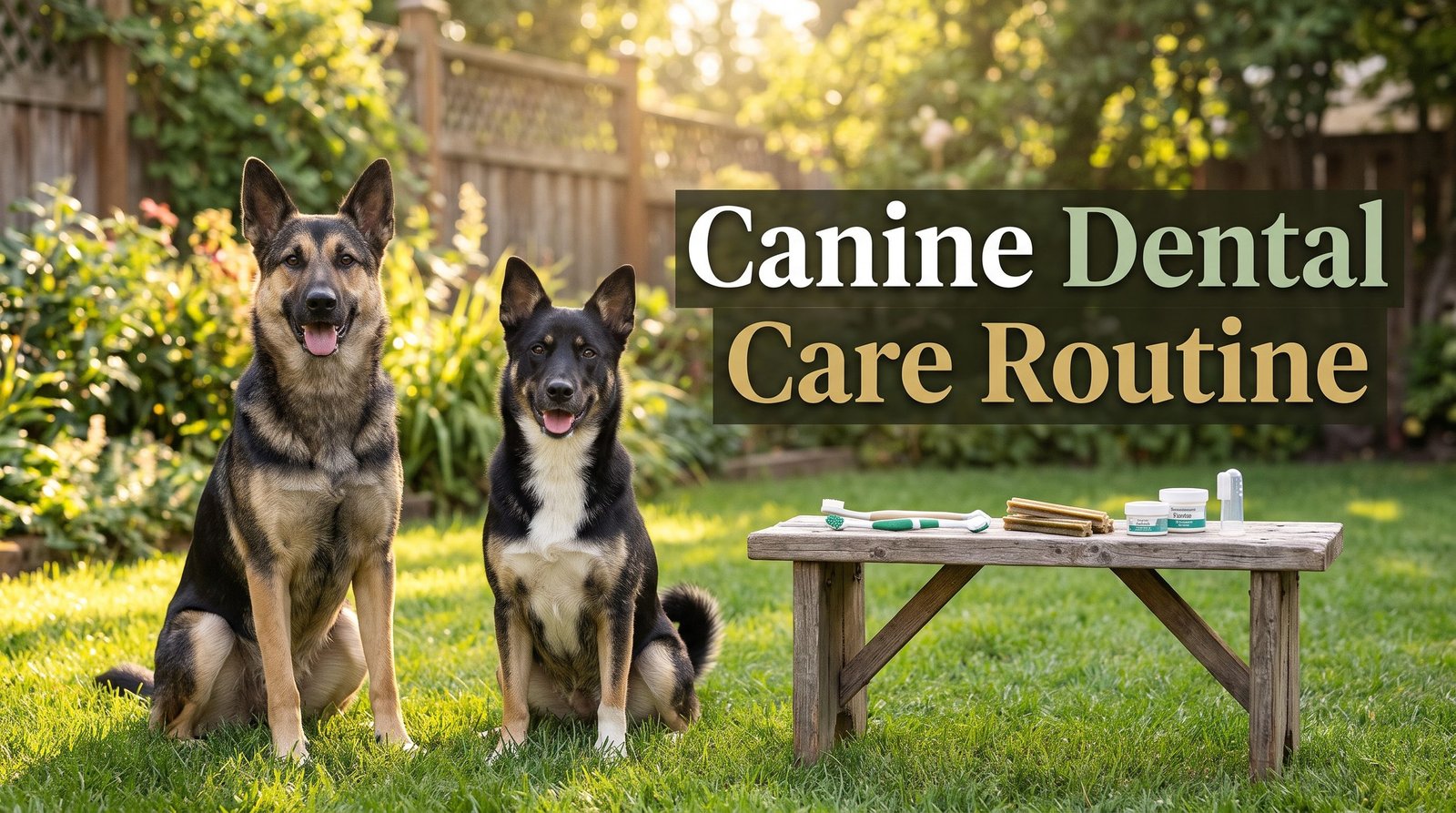
Complete Canine Dental Care Guide: Combining Dental Chews and Brushing into an Effective Weekly Routine

Establishing an effective dog dental care routine is critical, as the soft bacterial biofilm (plaque) on a dog’s teeth interacts with calcium and salivary glycoproteins within 48 to 72 hours following a meal, calcifying into dense, insoluble calculus (tartar). This porous structure acts as a permanent microbial reservoir, accelerating gingivitis, progressive periodontitis, and alveolar bone … Read more

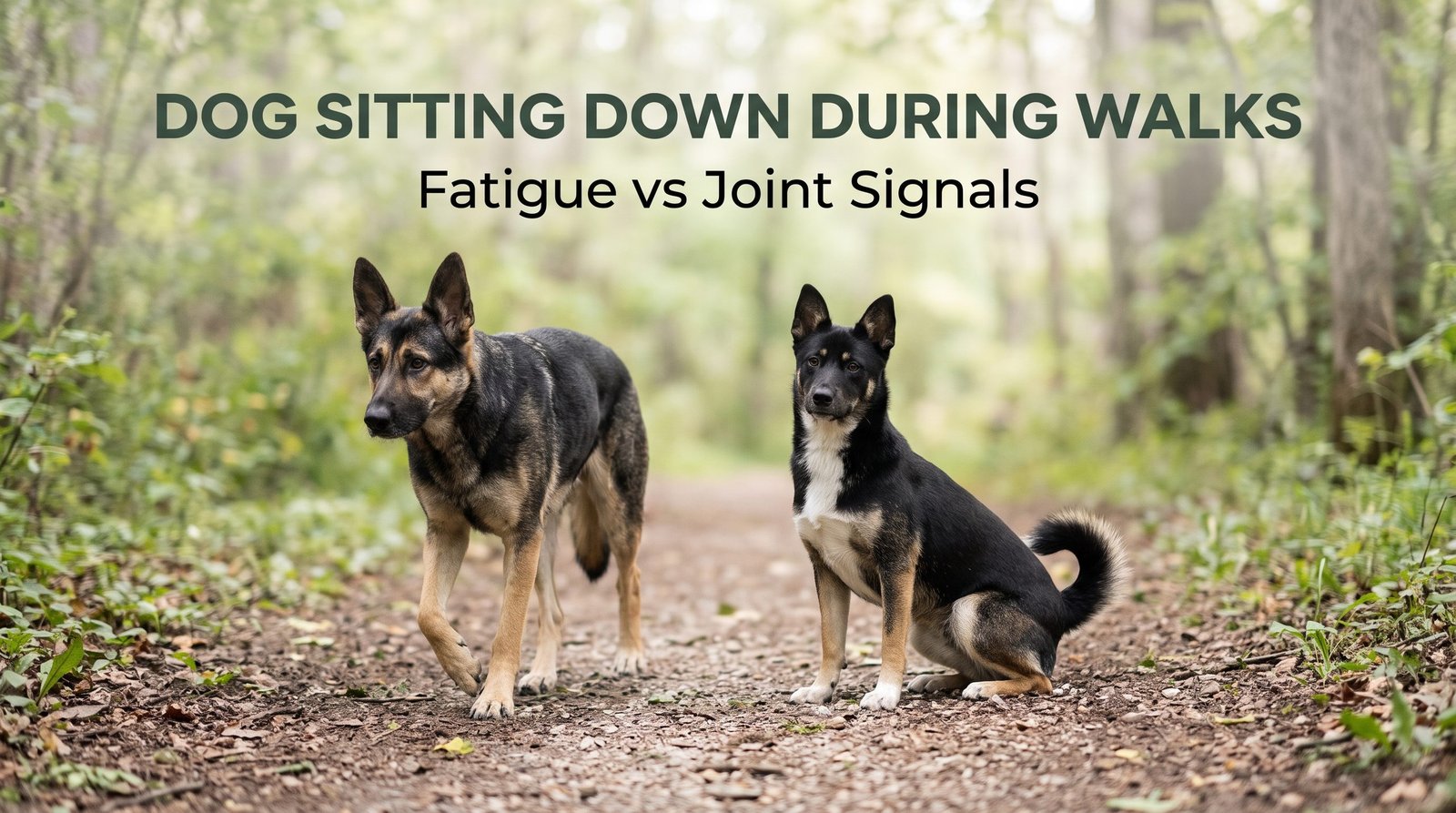
Frequent Sitting and Gait Asymmetry in Dogs During Walks: Differentiating Fatigue from Joint Distress

If you notice your dog sitting down on walks out of nowhere, it can be difficult to tell the difference between simple metabolic fatigue and acute musculoskeletal distress. Continuing a walk under the assumption that a dog is merely being stubborn or slightly tired can accelerate chondral damage, induce cruciate ligament tears, or aggravate intervertebral … Read more

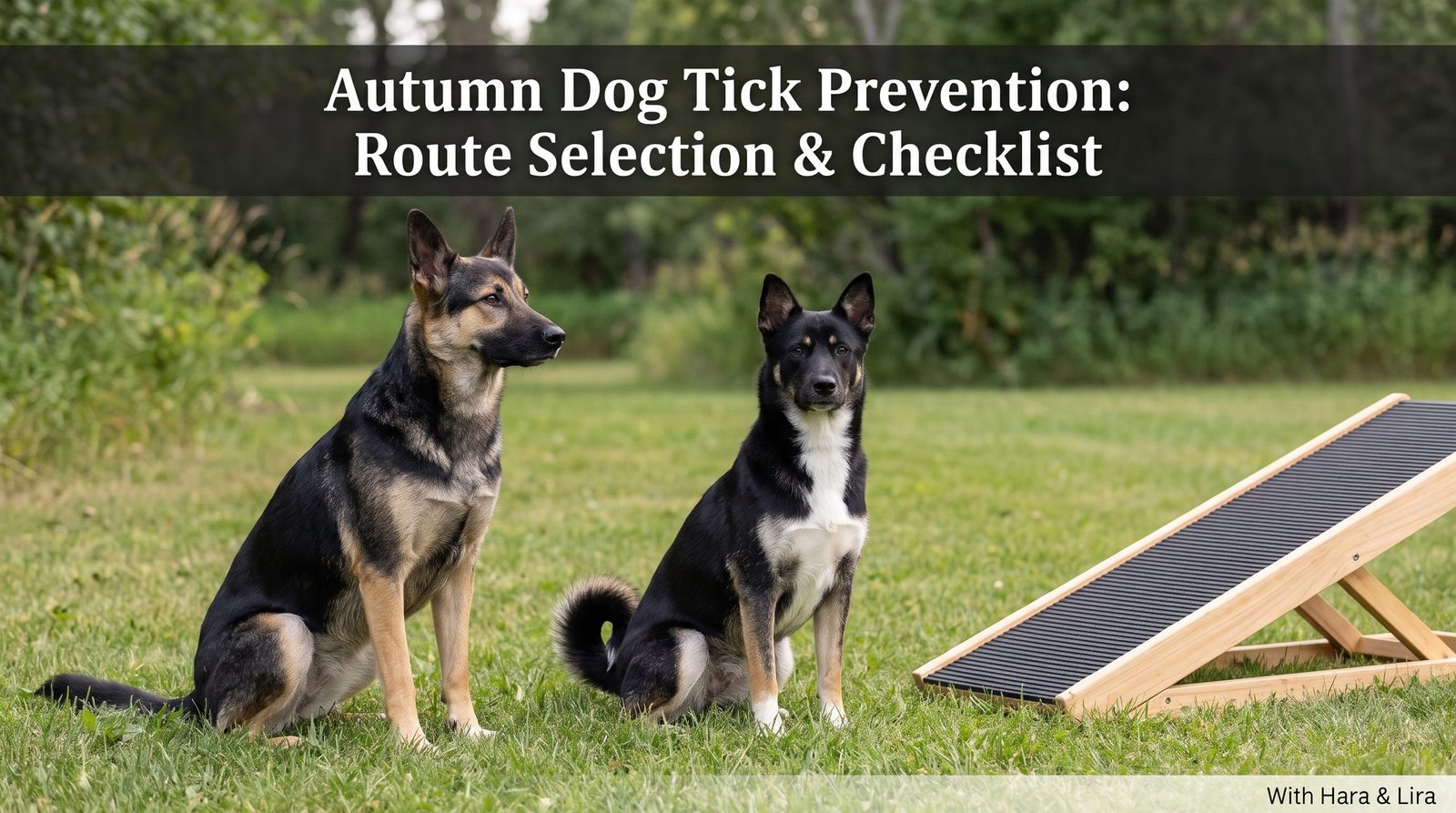
Autumn Canine Tick Prevention: Strategic Route Selection and 5-Step Post-Walk Checklist

Managing the risk of dog ticks in autumn is critical for every pet owner, as cooler temperatures offer optimal walking conditions while hungry questing vectors prepare for winter dormancy. As long as ambient temperatures remain above 4°C (39°F), ticks stay biologically active. A single bite can transmit fatal hemoparasitic conditions such as Babesiosis, Lyme Disease, … Read more

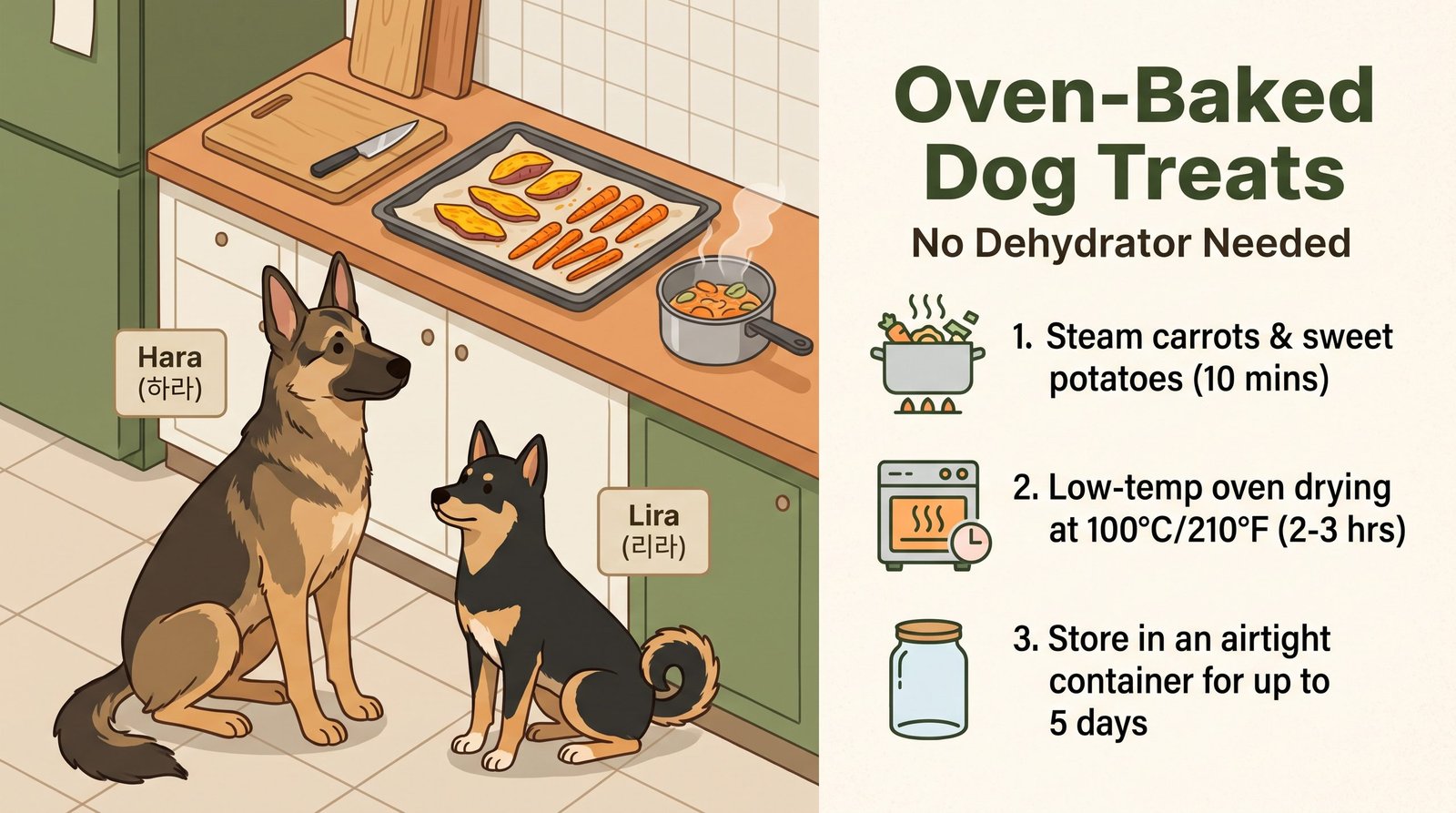
Homemade Dog Treats Without a Food Dehydrator: Oven-Drying Carrot and Sweet Potato Chews for Canines

Commercial dog treats frequently contain chemical preservatives, artificial flavoring, and excessive refined starches that disrupt the canine gut microbiome and trigger allergic dermatitis. Making healthy homemade dog chews right in your kitchen completely eliminates these industrial additives, yet many pet owners hesitate due to the high cost of dedicated food dehydrators and their extensive 10-hour … Read more

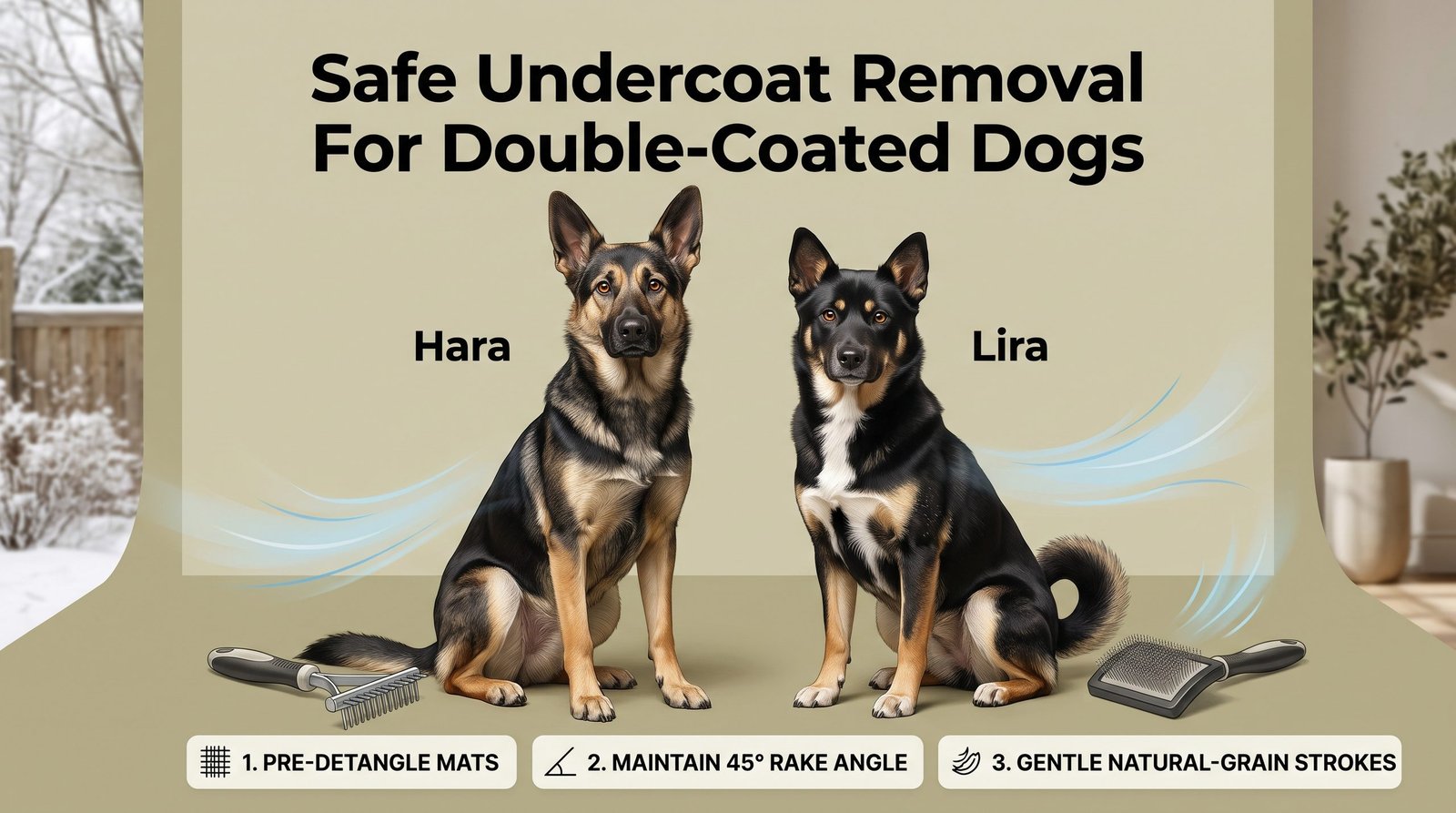
Ultimate Undercoat Removal Guide for Double-Coated Dogs: Skin-Safe Raking Techniques

As seasonal coat-blowing begins, households with double-coated dogs find themselves under an avalanche of shedding fur. While the outer guard coat looks dense and healthy, dead, non-follicular undercoat builds up silently beneath the surface, blocking natural airflow to the skin and creating a prime environment for dermatological infections. Merely brushing the surface does nothing to … Read more

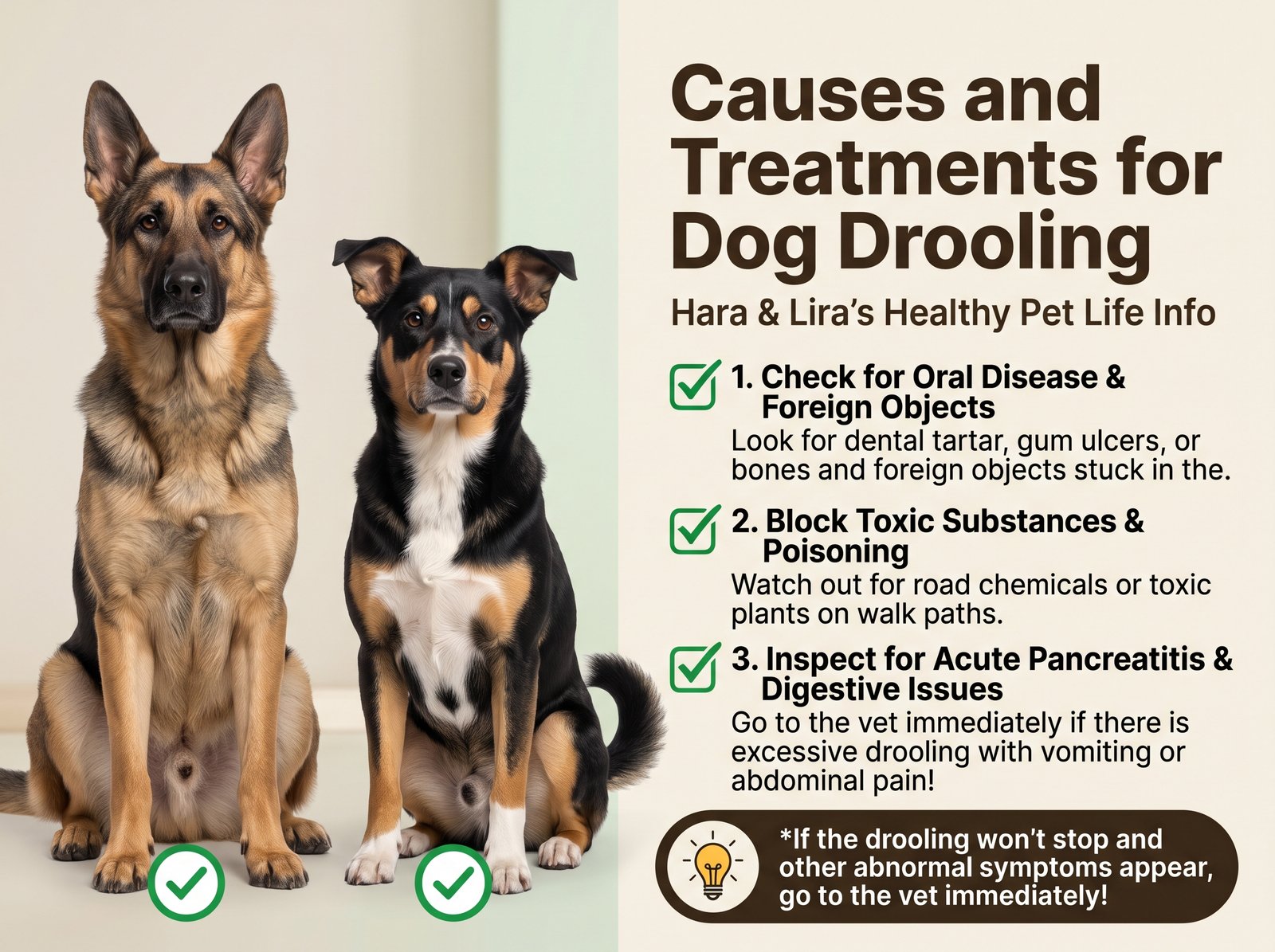
Why Is My Dog Drooling So Much? 4 Common Causes and When It Becomes an Emergency

Understanding the causes of excessive drooling in dogs is crucial when sudden hypersalivation strikes. While salivating at the smell of food or panting slightly after heavy exercise is an ordinary physiological event, a dog drooling persistently while resting—saturating their chest, whiskers, and bedding with sticky, thick saliva—indicates a medical issue (ptyalism). This is rarely harmless … Read more

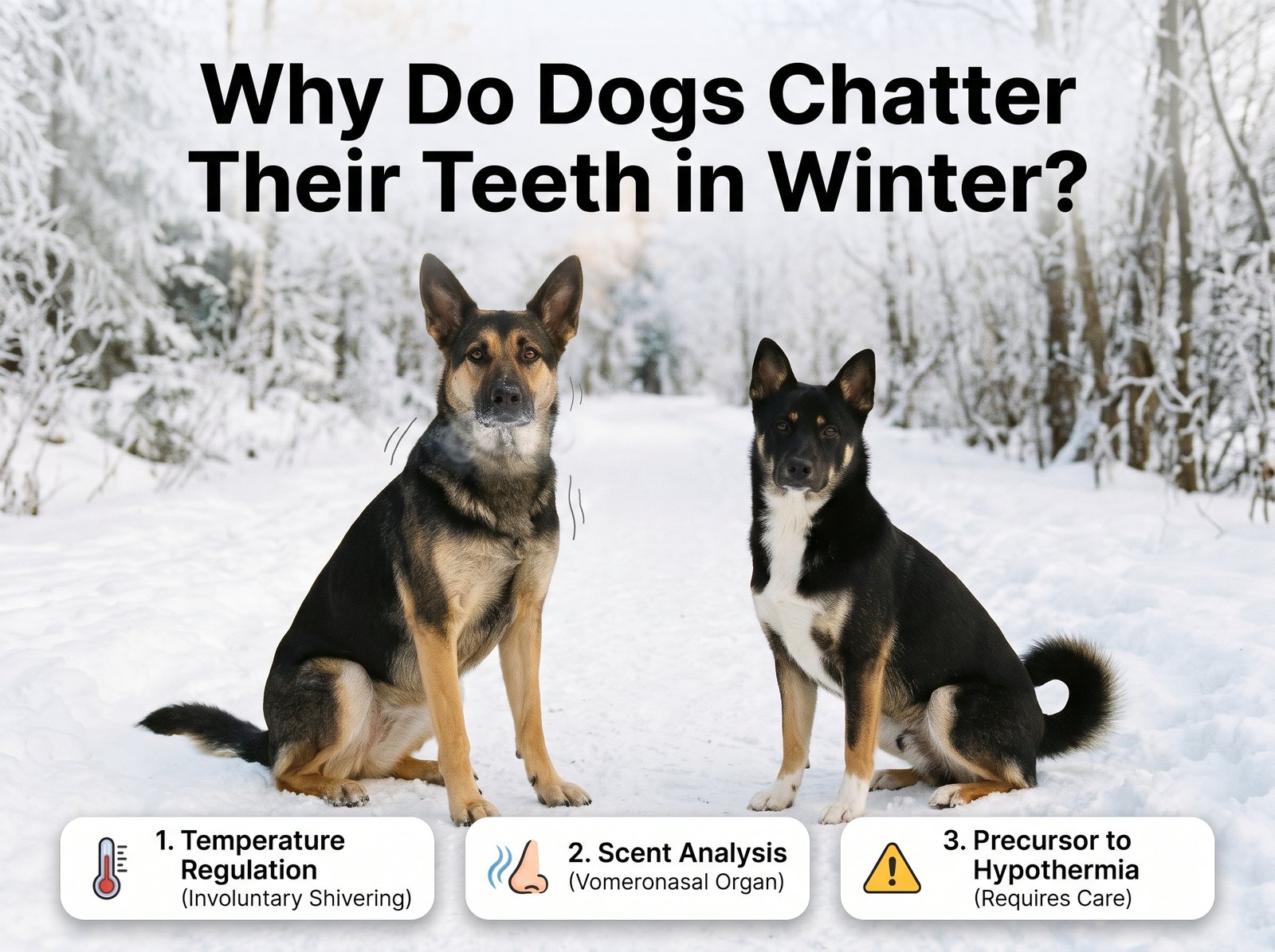
Dog Chattering Teeth on Cold Walks: 4 Causes & Hypothermia Assessment Guide

Experiencing dog teeth chattering in cold winter walks can trigger immediate concern for pet owners. While teeth chattering can be a mild physiologic shivering response to regulate temperature, it may also indicate the early stages of hypothermia, acute dental hypersensitivity, or severe cold-induced stress. While teeth chattering can be a mild physiologic shivering response to … Read more

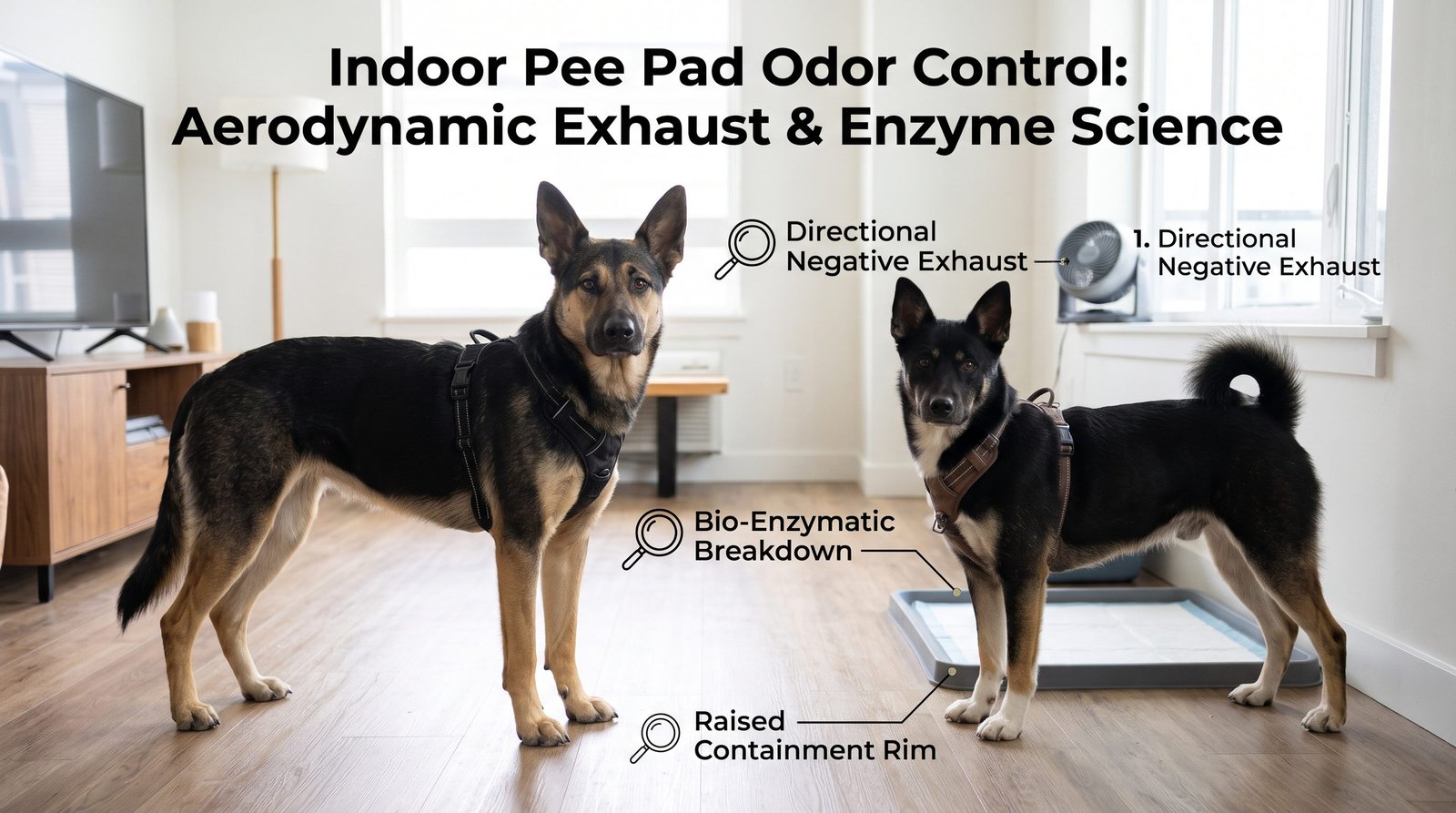
Eradicating Indoor Dog Potty Pad Ammonia Odors: Ventilation Dynamics and Uric Acid Substrate Management

Dog potty pad odor is rarely just the smell of fresh waste; it is the volatile byproduct of urea undergoing rapid bacterial decomposition into gaseous ammonia (NH3) and volatile organic compounds (VOCs) trapped in dead indoor air zones. Running air purifiers at maximum power or spraying chemical air fresheners merely desensitizes human olfaction while leaving … Read more