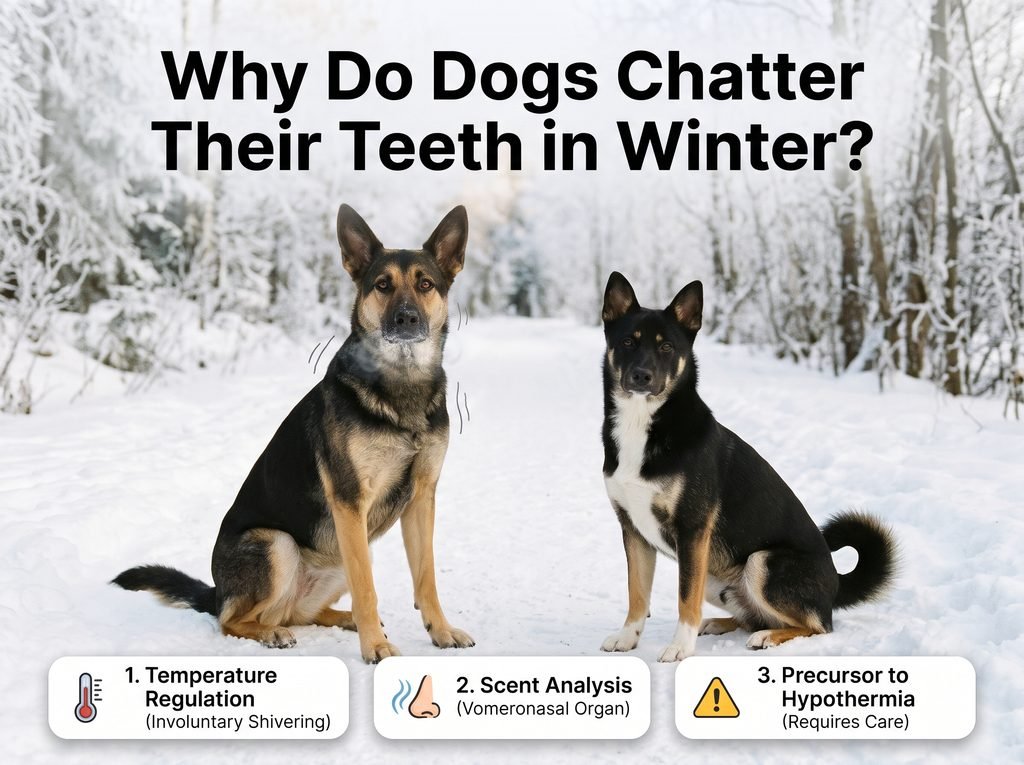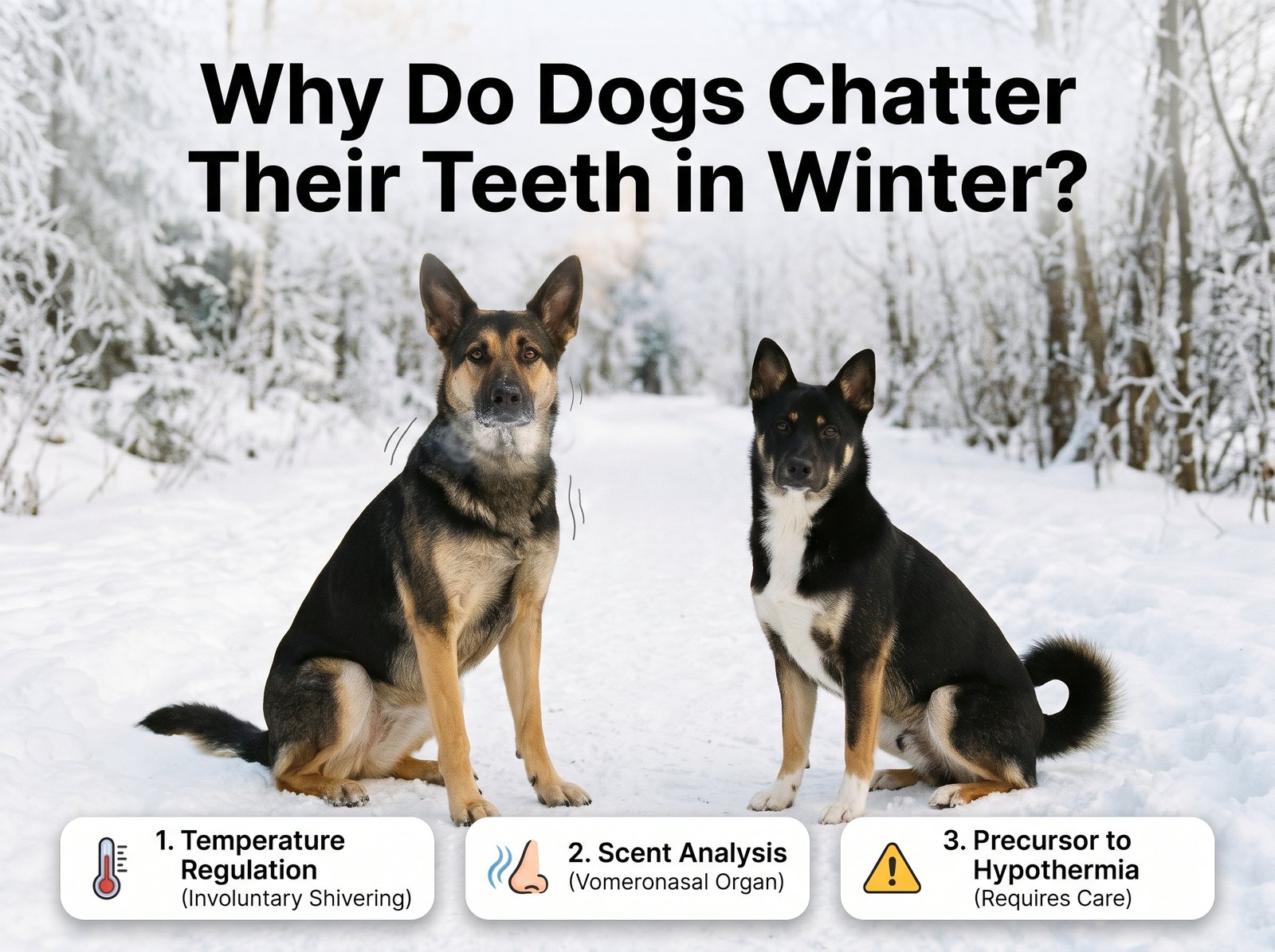
Experiencing dog teeth chattering in cold winter walks can trigger immediate concern for pet owners. While teeth chattering can be a mild physiologic shivering response to regulate temperature, it may also indicate the early stages of hypothermia, acute dental hypersensitivity, or severe cold-induced stress. While teeth chattering can be a mild physiologic shivering response to regulate temperature, it may also indicate the early stages of hypothermia, acute dental hypersensitivity, or severe cold-induced stress.
Even hardy, double-coated, or mixed-breed dogs aren’t entirely immune to the elements. For example, my own loyal companions—the alert German Shepherd mix ‘Hara’ and the stout black-and-tan mix ‘Lira’—can sometimes surprise us by shivering their lower jaws if we stay out too long on bitterly cold winter days.
Evaluating whether the tremor is confined to the jaw or extending throughout the body determines whether simple rewarming will suffice or urgent veterinary intervention is required.
1. Primary Causes of Involuntary Jaw Tremors in Cold Weather
Canine teeth chattering during winter exposure is primarily driven by neuromuscular and physiological reflexes.
Involuntary Skeletal Muscle Contraction (Thermoregulation)
As ambient temperatures drop, the hypothalamus initiates rapid, involuntary micro-contractions in skeletal muscles to generate metabolic heat. The masseter and temporalis muscles in the jaw are sensitive to autonomic nervous triggers, causing localized jaw tremors before generalized body shivering becomes visible. If Hara suddenly stops on a snowy trail and her jaw begins to tremble rapidly, this is her body’s first line of defense to restore core warmth.
Jacobson’s Organ Activation (Scent Analysis)
If teeth chattering occurs immediately after sniffing frozen ground, snowbanks, or other animals’ scent markings, it is frequently a physiologic mechanism rather than a reaction to the cold. Dogs chatter their teeth to draw scent molecules directly into the vomeronasal organ (Jacobson’s organ) located on the roof of the mouth. When Lira sniffs an interesting spot in the snow and then starts clicking her teeth, she’s likely just processing scent data rather than feeling the chill.
Temperature-Induced Dental Pain
Canine teeth affected by periodontal disease, enamel fractures, or exposed dentin become hyperreactive when exposed to sub-zero airflow or ingested ice. This localized neuralgia triggers a sudden, sharp pain reflex expressed as rapid chattering of the lower mandible.
Environmental Stress and Adrenaline Spikes
Frigid gusts, slippery ice, and chemical de-icers (calcium chloride) can cause sensory discomfort and heightened stress. High adrenaline levels amplify muscle tone, resulting in localized jaw and limb tremors.
2. Mild Shivering vs. Early Hypothermia vs. Dental Disorder
Differentiating standard cold intolerance from progressive systemic hypothermia is critical for timely intervention.
| Diagnostic Marker | Mild Cold Shivering | Early Hypothermia (Critical) | Dental / Neurological Issue |
| Jaw Tremor Pattern | Intermittent; resolves when active | Persistent; accompanied by body tremors | Continues inside warm indoor areas |
| Mucous Membranes | Healthy pink | Pale, grayish, or cyanotic (bluish tint) | Red margins, tartar, localized bleeding |
| Mentation & Alertness | Alert, responsive to commands | Lethargic, slow responses, disoriented | Alert; flinches when jaw is touched |
| Rectal Core Temp | Normal (38.0°C – 39.0°C / 100.4°F – 102.2°F) | Drops below 37.5°C (99.5°F) | Normal temperature range |
| Gait & Posture | Normal gait, eager to walk | Stiff posture, hunched spine, stumbling | Normal gait |
3. Action Protocol: Step-by-Step Field Management
When teeth chattering occurs during winter walks, follow these clinical steps:
- Evacuate the Wind Zone: Cut the walk short immediately and move to a sheltered area out of direct wind exposure.
- Core Body Insulation: Fasten coats securely and insulate the chest and abdomen. Carrying your dog close or wrapping them tightly in a blanket helps prevent heat loss. For larger mixed-breed dogs like Hara or stout dogs like Lira, wrapping them snug in a dry blanket or your own coat is the most effective way to help them retain heat.
- Inspect Paws for Snow Caking and Road Salt: Chemical de-icing agents and ice balls wedged between pad webbing cause acute pain and systemic shivering; wipe clean with a dry cloth.
- Gradual Rewarming Protocol: Once indoors, avoid high-heat blow dryers or boiling pads. Wrap warm water bottles (approx. 25–28°C) in dry towels and place them in the groin and axillary (armpit) areas to restore core body temperature gradually.
Clinical Warning: Applying direct high heat (electric heating pads on bare skin, hot water baths) causes rapid peripheral vasodilation, which redirects blood flow away from vital core organs and can trigger peripheral shock.
Frequently Asked Questions (FAQ)
Q1. What if my dog continues chattering their teeth after coming inside?
If the jaw tremor persists 20 to 30 minutes after returning to a warm room, cold exposure is no longer the primary factor. Schedule an oral and neurological examination to rule out cracked molars, advanced pulpitis, or idiopathic facial tremors.
Q2. Can double-coated breeds experience cold-induced jaw chattering?
Yes. While double-coated breeds have superior trunk insulation, their lips, ears, and paw pads lack thick undercoats. Exposure to wet snow, ice melt chemicals, and high winds can induce localized jaw shivering even in cold-hardy working breeds.
Recognizing teeth chattering as an early sign of physiological thermoregulation allows pet owners to prevent severe hypothermic injury. In sub-zero temperatures, limit walks to 15–20 minutes and utilize insulated canine gear.
- Meta Description: Learn the primary causes of dog teeth chattering on cold walks, how to differentiate it from hypothermia, and the correct step-by-step rewarming protocol.