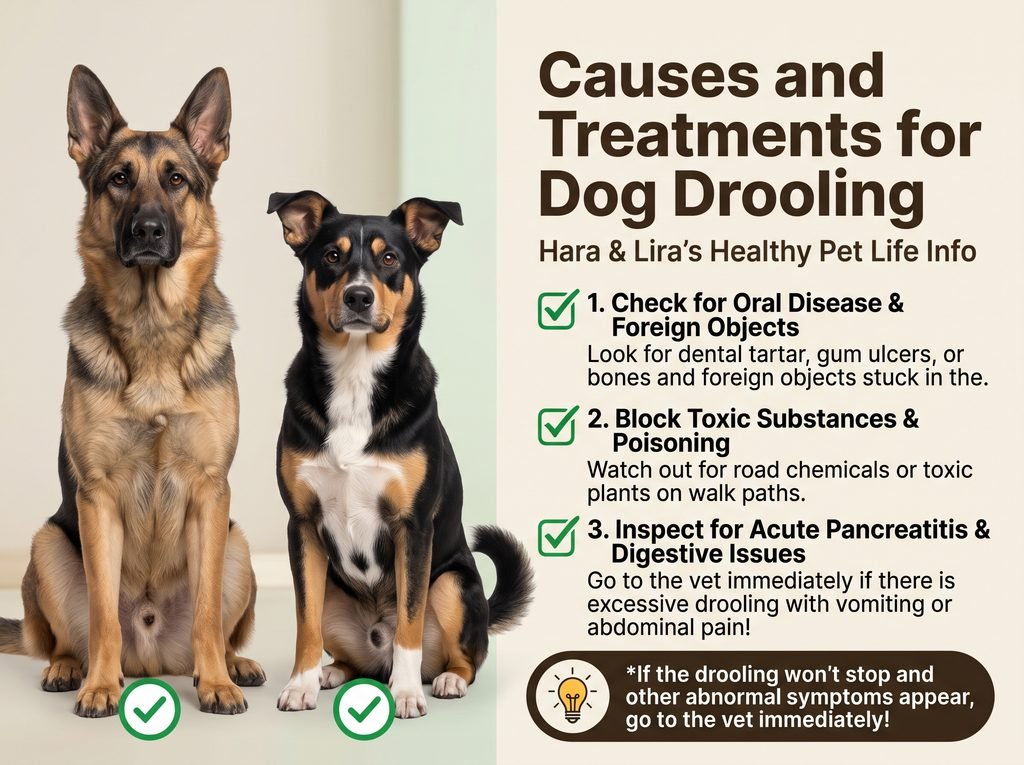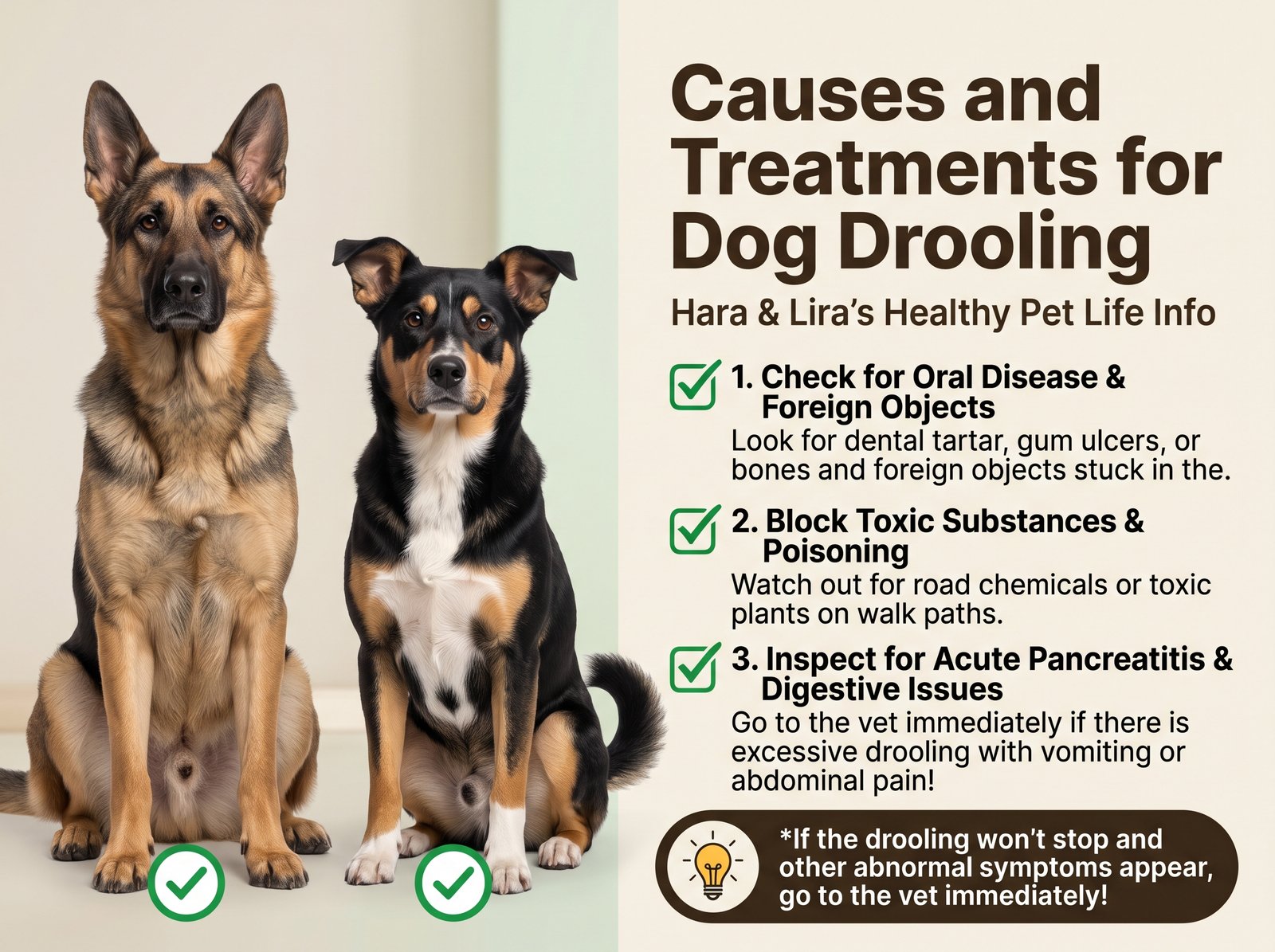
Understanding the causes of excessive drooling in dogs is crucial when sudden hypersalivation strikes. While salivating at the smell of food or panting slightly after heavy exercise is an ordinary physiological event, a dog drooling persistently while resting—saturating their chest, whiskers, and bedding with sticky, thick saliva—indicates a medical issue (ptyalism). This is rarely harmless and points directly to severe oral discomfort, an esophageal foreign body, gastrointestinal distress, or acute toxicity.
Salivating at the smell of food or panting slightly after heavy exercise is an ordinary physiological event in dogs. However, when your dog drools persistently while resting—saturating their chest, whiskers, and bedding with sticky, thick saliva—it indicates excessive salivation (ptyalism or hypersalivation). This is rarely harmless. It points directly to severe oral discomfort, an esophageal foreign body, internal gastrointestinal distress, or acute neurotoxicity. Distinguishing whether your dog cannot swallow due to pain or is producing an abnormal volume of saliva is the key to preventing systemic shock, dehydration, and tissue necrosis.
1. The 4 Primary Medical Causes of Excessive Drooling in Dogs
Pinpointing the issue requires assessing the consistency of the fluid, the suddenness of onset, and accompanying bodily symptoms.
Severe Periodontal Disease and Oral Injuries
Advanced tartar buildup, tooth root abscesses, fractured teeth, and oral papillomas make regular tongue motion and swallowing extremely painful. When swallowing hurts, saliva pools in the mouth and spills outward continuously.
Lodged Foreign Objects (Mouth, Throat, Esophagus)
Chewed splinters from sticks, cooked chicken bones, plastic toy pieces, or foxtails frequently wedge across the roof of the mouth between the upper molars or puncture the soft palate. Dogs will drool foaming fluid copiously while frantically pawing at their muzzle.
Ingestion of Toxins or Chemical Irritants
Exposure to toxic garden plants (lilies, philodendrons), road salts, chemical fertilizers, human medications (NSAIDs, acetaminophen), or insecticides stimulates salivary receptors through nervous system irritation.
Acute Pancreatitis, Bloat (GDV), and Severe Nausea
Nausea prompts profound hypersalivation via vagal nerve stimulation right before emesis. Dogs suffering from acute pancreatitis, gastrointestinal obstruction, or life-threatening gastric dilatation-volvulus (GDV) will pace, pant heavily, and drool watery or foamy liquid uncontrollably.
| Condition Category | Key Accompanying Signs | Saliva Characteristics | Initial Assessment Area |
| Oral Pathology | Severe halitosis, drop kibble, bleeding gums | Thick, ropy, blood-tinged or brown | Check molar calculus, ulcerations |
| Foreign Object | Frantic pawing at face, gagging, retching | Profuse, clear to foamy, persistent | Check hard palate, behind rear molars |
| Toxic Ingestion | Tremors, ataxia (wobbliness), dilated pupils | Foamy, sudden explosive secretion | Check yard toxins, household cleaners |
| Gastrointestinal / GDV | Praying posture (chest down, hips up), dry heaves | Watery, copious, continuous dripping | Check abdominal distension, signs of nausea |
2. A 4-Step Action Protocol for Pet Parents
Clinical Reality: Never attempt to yank a lodged bone or wire out of your dog’s throat blindly. Sharp fragments can lacerate the delicate esophageal lining, causing pneumomediastinum or life-threatening internal bleeding.
- Perform a Safe Visual InspectionUse a smartphone flashlight to gently retract the dog’s lips. Inspect the gum color (pink vs. pale or blue), scan the roof of the mouth, and check between the molars. If the dog shows aggression from pain or the object is deep down the pharynx, stop immediately.
- Audit Environment and Recent ActivitiesRetrace recent walks and inspect the yard. Did the dog access trash, chew a treated stick, or get into chocolate, medication, or rodent bait? If a product container is damaged, take it with you to the clinic.
- Withhold All Water and FoodIf your dog is experiencing esophageal obstruction or laryngeal paralysis, drinking water can easily force liquid into the lungs, triggering fatal aspiration pneumonia. Keep the food and water bowls out of reach.
- Maintain Warmth and Minimize StressToxicity and severe pain can cause hypothermia. Wrap your dog in a soft blanket, position their head downward to allow fluids to drain outward instead of choking them, and transport them safely.
3. Recognizing Life-Threatening Red Flags and Long-Term Prevention
- Emergency Red Flags (Immediate Vet Care Required):
- Cyanosis (purple, blue, or porcelain white gums)
- Concurrent seizures, localized muscle twitches, or an unsteady gait
- Continuous unproductive retching combined with a firm, distended abdomen (signs of GDV/Bloat)
- Daily Plaque Disruption: Brush your dog’s teeth daily using veterinary enzymatic toothpaste. Plaque mineralizes into hard tartar in just 48 hours; consistent care avoids periodontal pain that leads to ptyalism.
- Solidify “Drop It” and “Leave It” Commands: Prevent foreign body ingestion by turning release commands into an automatic habit, safeguarding against road toxins, cooked bones, and toxic fungi during outdoor walks.
Frequently Asked Questions (FAQ)
Q1. My dog only drools excessively during car rides. Is this an illness?
A. It is typically motion sickness caused by an underdeveloped or sensitive vestibular system in the inner ear, often compounded by travel-related anxiety. Withhold food 2 to 3 hours before trips, and consult your veterinarian for safe anti-nausea medications (such as maropitant citrate).
Q2. Why does the fur around my dog’s mouth turn reddish-brown from drool?
A. Just like dog tears, canine saliva contains organic, iron-rich molecules called porphyrins. When saliva sits on the surrounding facial fur, the iron oxidizes upon exposure to ambient air and light, creating a rusty red or brown stain.
Q3. Can heat stroke cause sudden hyper-salivation?
A. Absolutely. Overheating dogs pant intensely and produce large quantities of thick, rope-like drool as their cooling mechanism fails. If your dog exhibits a bright red tongue, lethargy, or weakness, apply cool (not ice-cold) water to their belly and paws and head straight to an emergency veterinary clinic.
Excessive drooling is an unmistakable warning sign from your dog’s body. If the episode is not linked to a treat or travel excitement, promptly check their mouth, look for systemic warning signs, and contact your veterinarian.