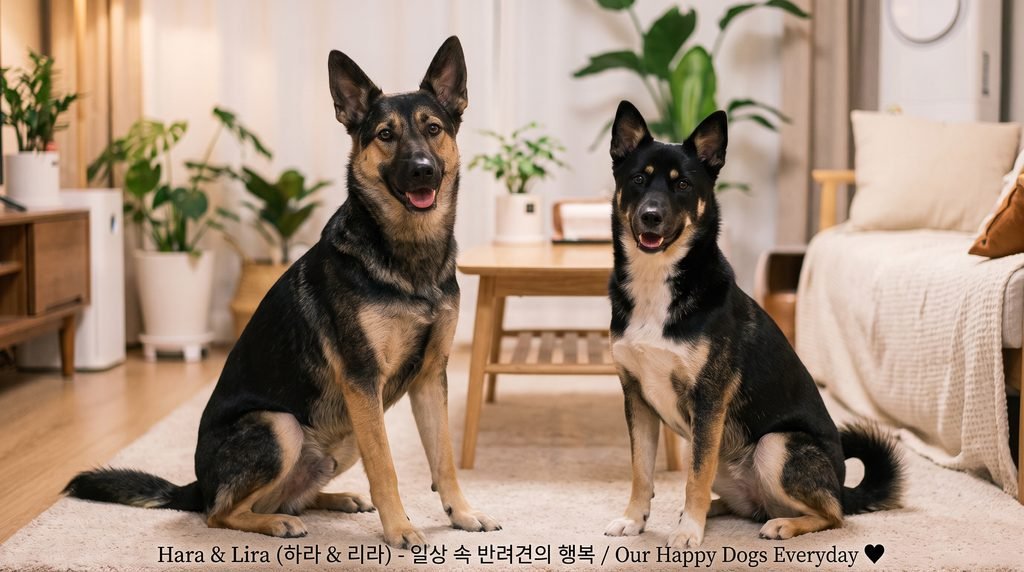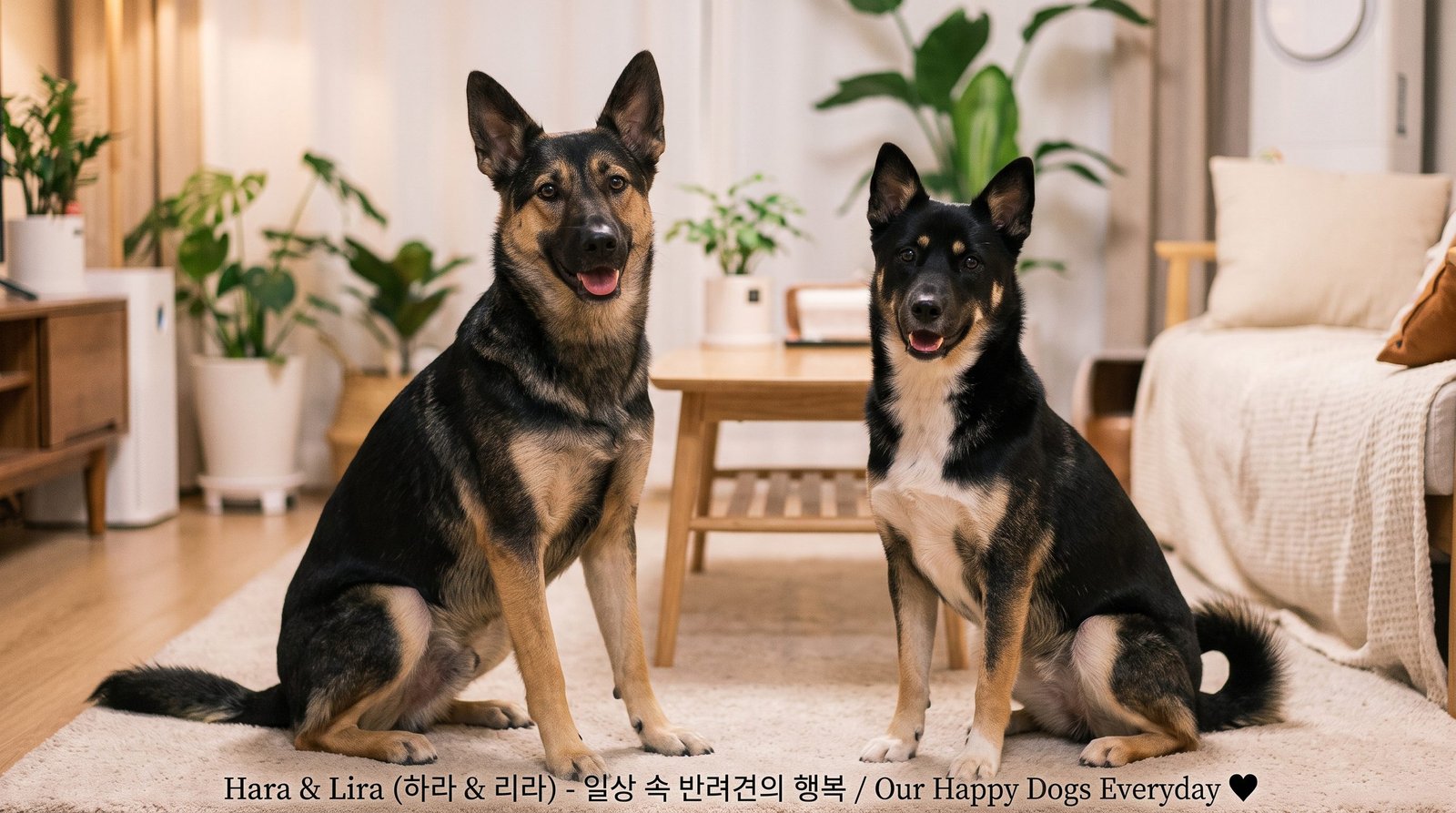
When caring for a German Shepherd Shiba Inu mix, understanding the balance between high-drive work ethics and Spitz independence is critical. When the intelligence and protective loyalty of a German Shepherd converge with the territorial instincts of a Shiba Inu, the resulting hybrid defies standard dog training textbooks. The working dog heritage demands clear structure, direct communication, and meaningful tasks. Conversely, the Spitz lineage requires emotional autonomy, physical space, and intrinsic motivation.
Drawing from daily, measurable observations of Hara—who inherits the agile frame, pronounced muzzle, and classic saddle coat pattern of a German Shepherd—and Lira—who displays a compact, muscular build, alert facial mask, curved tail, and the signature discernment of a Shiba Inu—this guide provides an actionable framework for managing a medium-sized Shepherd-Shiba hybrids.
1. Genetic Dynamics and Temperament Profiling
Breeding a high-drive working dog with an ancient Spitz breed yields profound behavioral complexity. Even within the same lineage, individual drive and coping mechanisms diverge sharply depending on genetic dominance.
The Shepherd-Dominant Profile (The Hara Archetype)
- Drive for Structured Purpose: Dogs leaning heavily toward the Shepherd profile require explicit operational roles. When left without clear handler directives, their default behavior shifts to territorial hypervigilance.
- Separation Distress Risk: They exhibit intense handler proximity behaviors (“velcro dog syndrome”). Without early impulse-control conditioning, isolation rapidly translates into destructive chewing and barrier frustration.
The Shiba Inu-Dominant Profile (The Lira Archetype)
- Tactile Sensitivity: Shiba-leaning hybrids often demonstrate low tolerance for physical restraint or invasive handling (paws, ears, tail).
- Transactional Compliance: These dogs do not work simply to please their handlers. Every cue is evaluated based on perceived value. Aversive handling breaks trust immediately, resulting in selective hearing and handler avoidance.
2. Advanced Exercise Architecture: Implementing Cognitive Exhaustion
For an athletic 40–50 lb athletic hybrid, linear leashed walking fails to tap into physiological reserves. A sustainable physical and cognitive regimen requires a 40:60 split between aerobic conditioning and high-intensity mental stimulation.
Optimized Daily Exercise Timeline
- 06:30 AM (Brisk Pace Walk, 40 Mins): A steady heel-and-pace walk designed to lubricate joints, decompress muscle tension, and establish reliable outdoor elimination routines.
- 12:30 PM (Mid-Day Cognitive Circuit, 20 Mins): High-value retrieval tasks for Hara, paired with multi-tier puzzle toys to satisfy task-oriented drives without overstimulation.
- 07:00 PM (Sensory Decompression / Sniffari, 50 Mins): A loose-leash walk on a 10-foot lead across unpaved terrain, allowing Lira to fulfill autonomous olfactory processing needs.
Targeted Enrichment Tools
- Flirt Pole Protocols: Channels the intense prey drive native to both breeds. The lure run must always be bookended with a strict “Wait” and “Leave It” command, turning a predatory game into an impulse-control exercise.
- Scent Box Discrimination: Utilizing progressive nosework searches to locate specific target scents among distractor items burns mental energy four times faster than sustained trotting.
3. Behavioral Modification: Curbing Alert Barking & Resource Guarding
Combining Shepherd vigilance with Shiba possessiveness creates a high propensity for boundary sensitivity and guarding behaviors.
| Metric | Hara (Shepherd-Leaning) | Lira (Shiba-Leaning) |
| Phenotypic Traits | Shepherd head shape, long muzzle, saddle coat | Compact frame, Spitz mask, curled tail |
| Primary Stress Reaction | Vocal reactivity to doorsteps/novel sounds | Guarding chews, toys, and private spaces |
| Foundational Solution | High-drive Place conditioning | Trade-Up protocols and threshold spacing |
| Walking Modality | Structured heelwork, handler focus checks | Parallel walking, uninterrupted scent work |
The “Place” Command for Doorstep Reactivity
To prevent the Shepherd instinct from charging external noise triggers, establish an elevated bed out of the direct line of sight of entryways.
Implementation Rule: Never correct alert vocalizations with yelling. Lure the dog to their place station the instant the doorbell sounds, rewarding them exclusively when all four paws remain on the mat. This shifts the stimulus response from “defend entry” to “return to station.”
The “Trade-Up” Counter-Conditioning Method
Never pry an object directly from a Shiba-leaning dog’s jaw, as this rapidly escalates possessiveness into snapping.
- Approach laterally rather than head-on when the dog holds a contested item.
- Toss a treat of significantly higher value (such as freeze-dried liver) 12 inches away from their mouth.
- Mark the release with a clear “Drop” cue, and return the original item once the treat is consumed to reinforce that surrender does not equal deprivation.
4. Double Coat Care and Structural Joint Maintenance
The dense combination of a weather-resistant undercoat and coarse guard hairs requires specialized grooming tools to prevent moisture-induced dermatitis. Furthermore, structural joint health must be managed before growth plates fully fuse.
Coat Blowout and De-Shedding Mechanics
- Undercoat Rakes vs. Slickers: Standard pin brushes skate over the surface. Use an undercoat rake with rounded teeth held at a 45-degree angle to lift impacted dead fur, following up with a slicker brush for fine debris removal.
- Forced-Air Drying: During seasonal coat transitions, blow out the coat using a high-velocity pet dryer following a bath. This removes deep debris and reduces skin friction by over 70% compared to dry brushing alone.
Orthopedic Preservation
- Eliminate repetitive impact jumps (such as leaping out of tall vehicle trunks or aggressive frisbee catches) before 18 months of age.
- Install high-traction interlocking rubber or dense foam runners on slick residential flooring.
Frequently Asked Questions (FAQ)
Q1. How do you mitigate resource friction when keeping two distinct hybrid dogs together?
Eliminate spatial bottlenecks. Separate feeding bowls and resting crates by at least six feet. When greeting your dogs after an absence, ignore frantic jumping and engage solely with the dog exhibiting relaxed, four-on-the-floor body language to prevent competitive jealousy between the two.
Q2. Is a German Shepherd Shiba Inu mix suitable for apartment living?
Suitability depends strictly on daily handler commitment, not square footage. Without deliberate desensitization to shared hallway noises and at least two hours of daily cognitive and aerobic work, the combination of Shepherd vocal alert triggers and Shiba territorial wariness makes multi-family housing challenging.
Action Plan: The Foundation of Balanced Hybrid Ownership
Raising a German Shepherd and Shiba Inu mix rewards owners with unparalleled loyalty, quick learning capability, and robust companionship. However, ambiguity is their greatest stressor.
Implement uncompromising clarity in your house rules starting today. Ignore demanding outbursts, systematically reward emotional composure, and tailor your training to honor both the worker and the free spirit in your dog.
Meta Description:
Master the unique needs of a German Shepherd and Shiba Inu mix. Explore expert advice on temperament analysis, cognitive exercise, behavior training, and double coat maintenance.