Canine Joint Biomechanics: A 3-Tier Exercise and Weight-Bearing Protocol for Hip and Patella Preservation
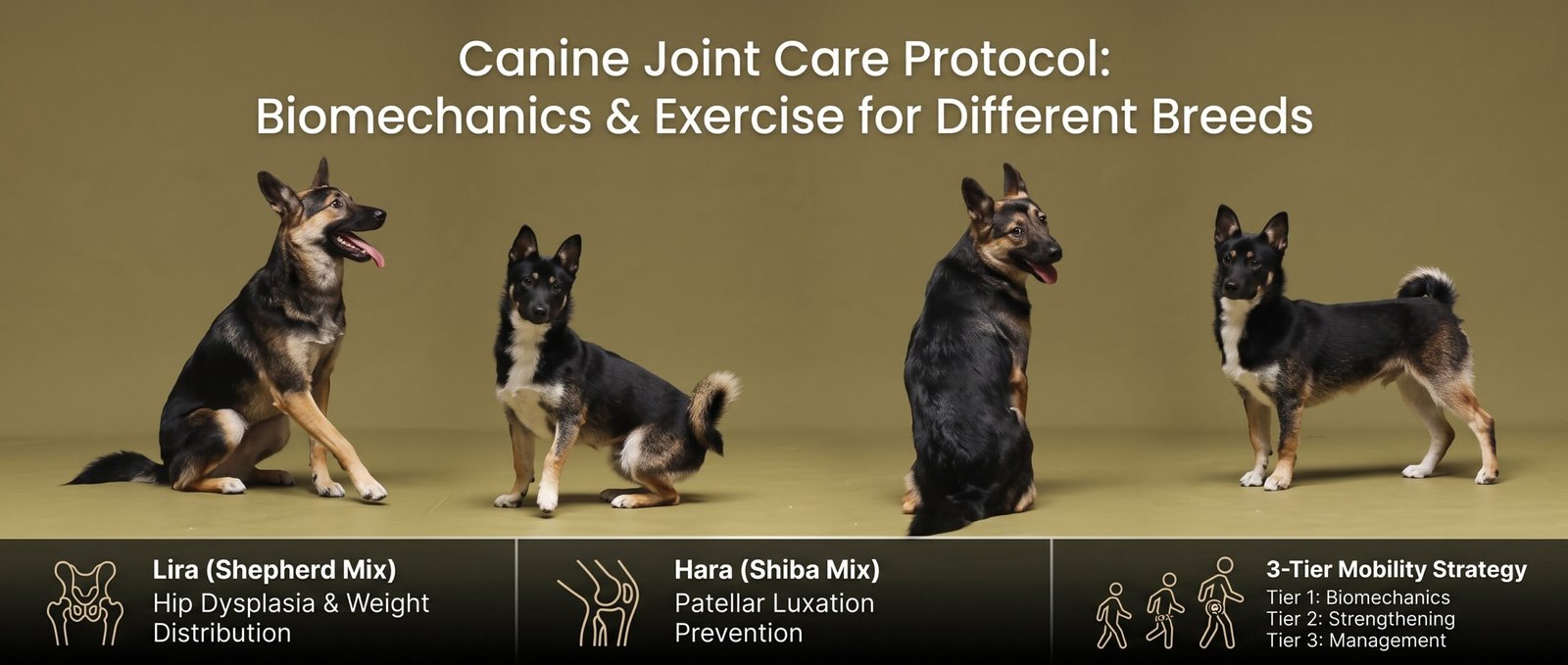
Understanding canine joint biomechanics reveals why canine lameness and difficulty rising do not emerge until over 30% of articular cartilage has already undergone irreversible degradation. Evolutionary instincts compel canines to suppress overt signs of orthopedic pain, making early micro-inflammatory processes difficult to observe with the naked eye. True orthopedic longevity relies not on post-symptomatic supplementation, … Read more
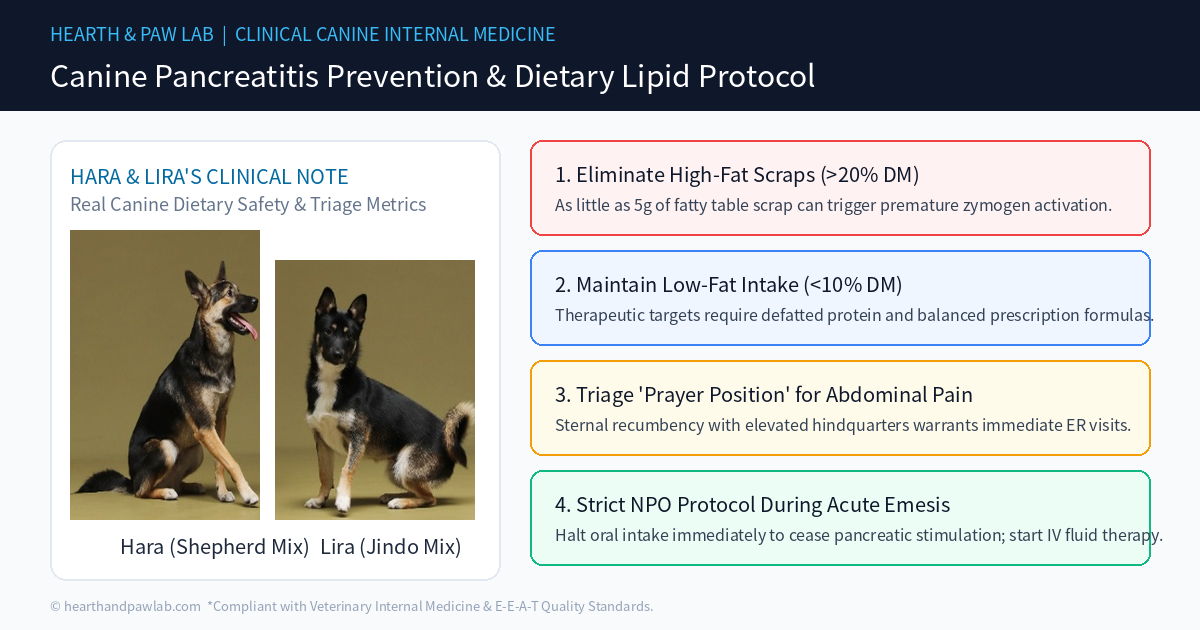
Pathophysiology of Canine Pancreatitis: A 4-Tier Clinical Protocol for High-Fat Dietary Elimination and Acute Crisis Management

The pathophysiological difference between ordinary emesis and life-threatening pancreatitis lies in the premature activation of digestive zymogens inside the pancreas. Under normal physiological conditions, pancreatic acinar cells secrete digestive enzymes in inactive proenzyme states to be cleaved safely in the duodenum. However, upon exposure to abrupt lipid loads or metabolic dysregulation, these enzymes activate prematurely … Read more

How to Protect Dog Paws from Winter Salt and Ice Melt: A Practical Guide

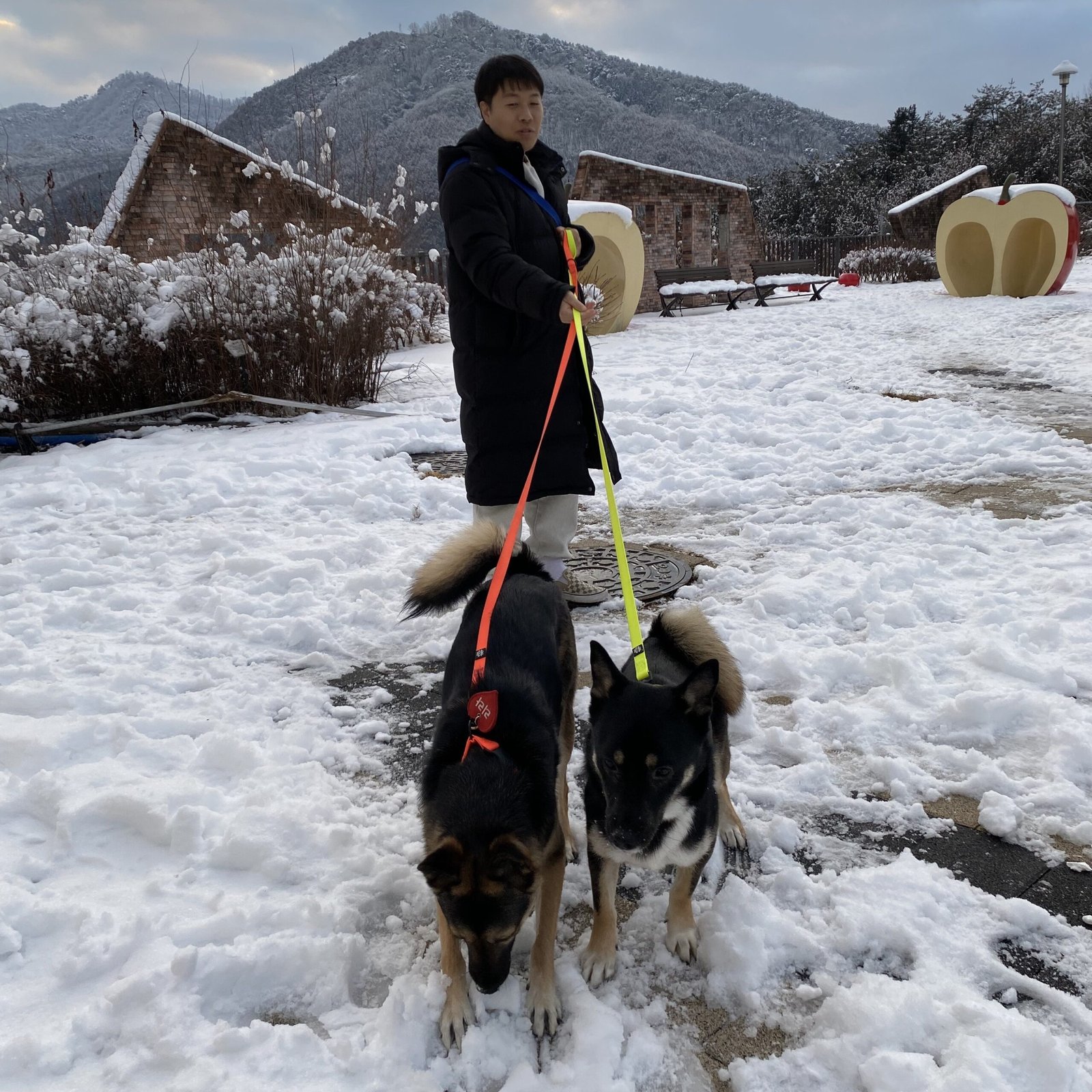
Dogs walking on snow-covered ground needing winter paw protection

When winter arrives, learning how to protect dog paws from winter salt and harsh ice melters is essential for every pet parent walking their companion on treated urban sidewalks. Rock salt (sodium chloride) and chemical de-icers (calcium chloride and magnesium chloride) do far more damage than simply making the ground cold. They draw moisture directly … Read more