Eradicating Indoor Dog Potty Pad Ammonia Odors: Ventilation Dynamics and Uric Acid Substrate Management
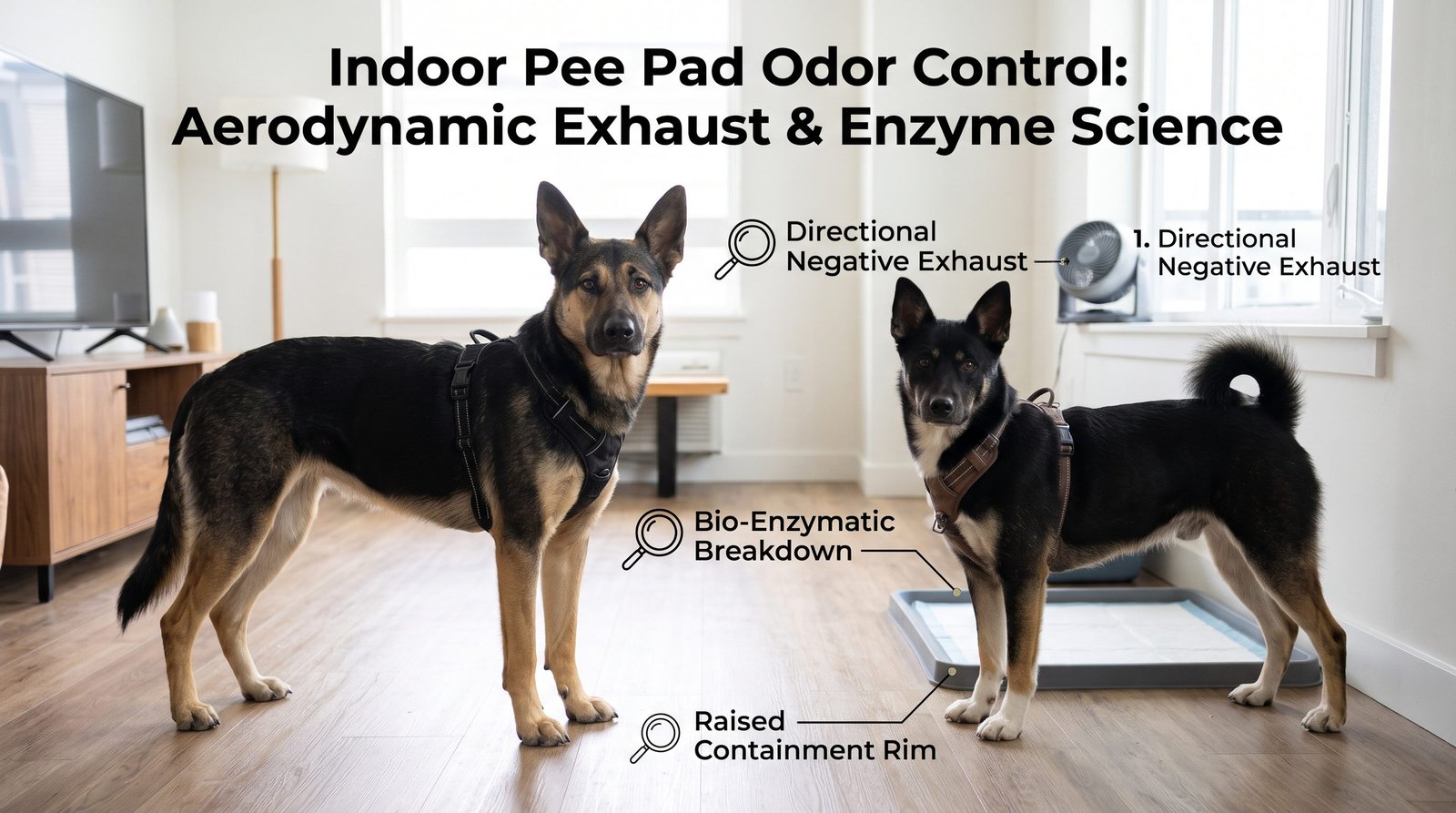
Dog potty pad odor is rarely just the smell of fresh waste; it is the volatile byproduct of urea undergoing rapid bacterial decomposition into gaseous ammonia (NH3) and volatile organic compounds (VOCs) trapped in dead indoor air zones. Running air purifiers at maximum power or spraying chemical air fresheners merely desensitizes human olfaction while leaving … Read more

Night Walk Safety Protocols for Dogs: Active Visibility Gear and Defensive Walking Routines

Prioritizing dog night walk safety is critical, as walking dogs after dark presents heightened hazards due to poor ambient visibility, delayed vehicle brake responses, and unpredictable pedestrian traffic. For dogs with dark coats or athletic, low-to-the-ground profiles, navigating unlit roads without multi-directional illumination exposes them to sudden collision risks. Ensuring complete safety requires moving beyond … Read more

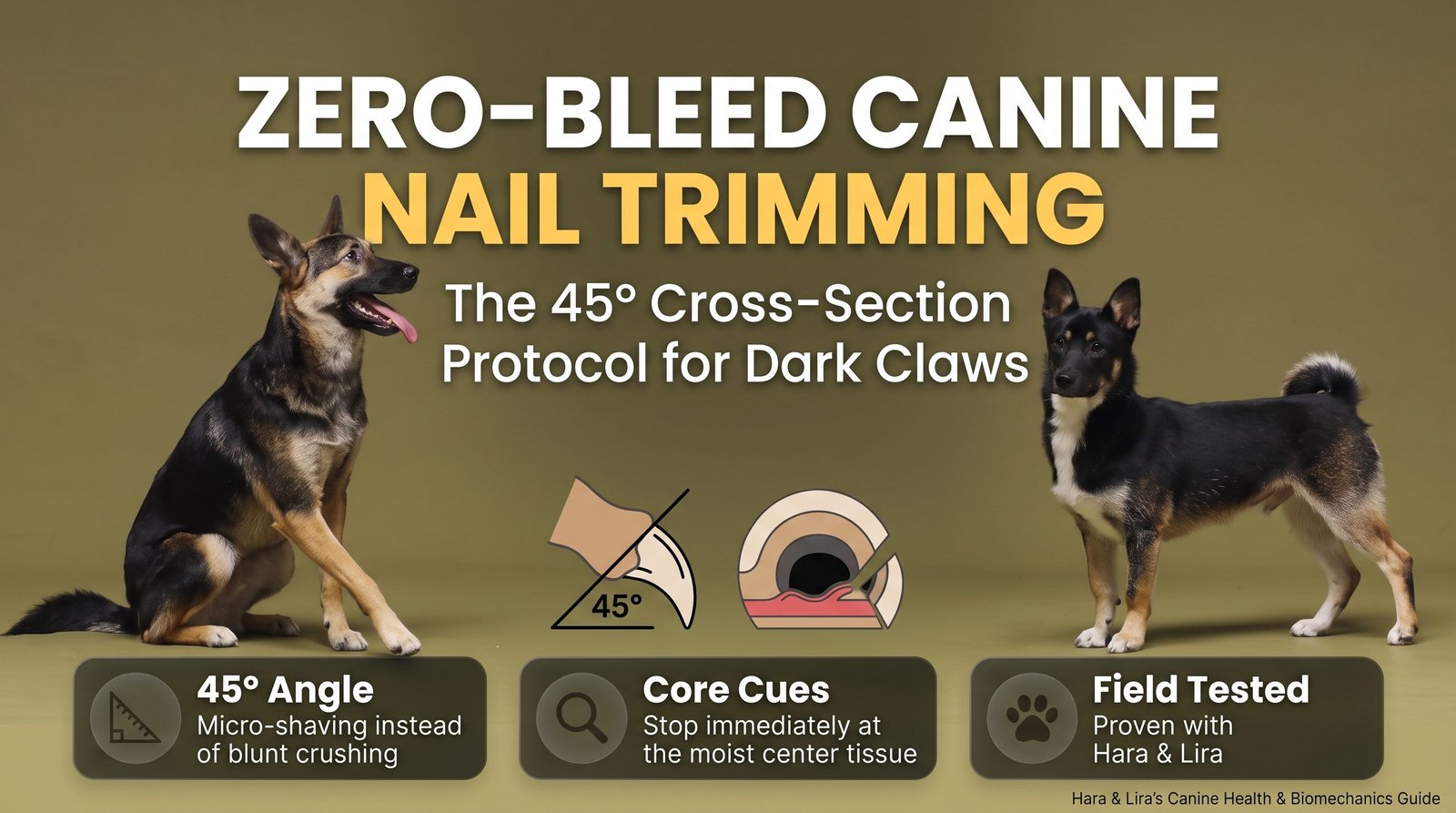
Canine Nail Trimming Without Bleeding: The Cross-Section Protocol & Quick Retraction Guide

Learning how to trim black dog nails without causing pain or bleeding is one of the most challenging grooming tasks for pet owners. Accidental quick strikes during canine nail trimming are rarely caused by poor handling alone; rather, they stem from cutting across non-transparent keratin at indiscriminate angles without reading internal structural transitions. For athletic … Read more

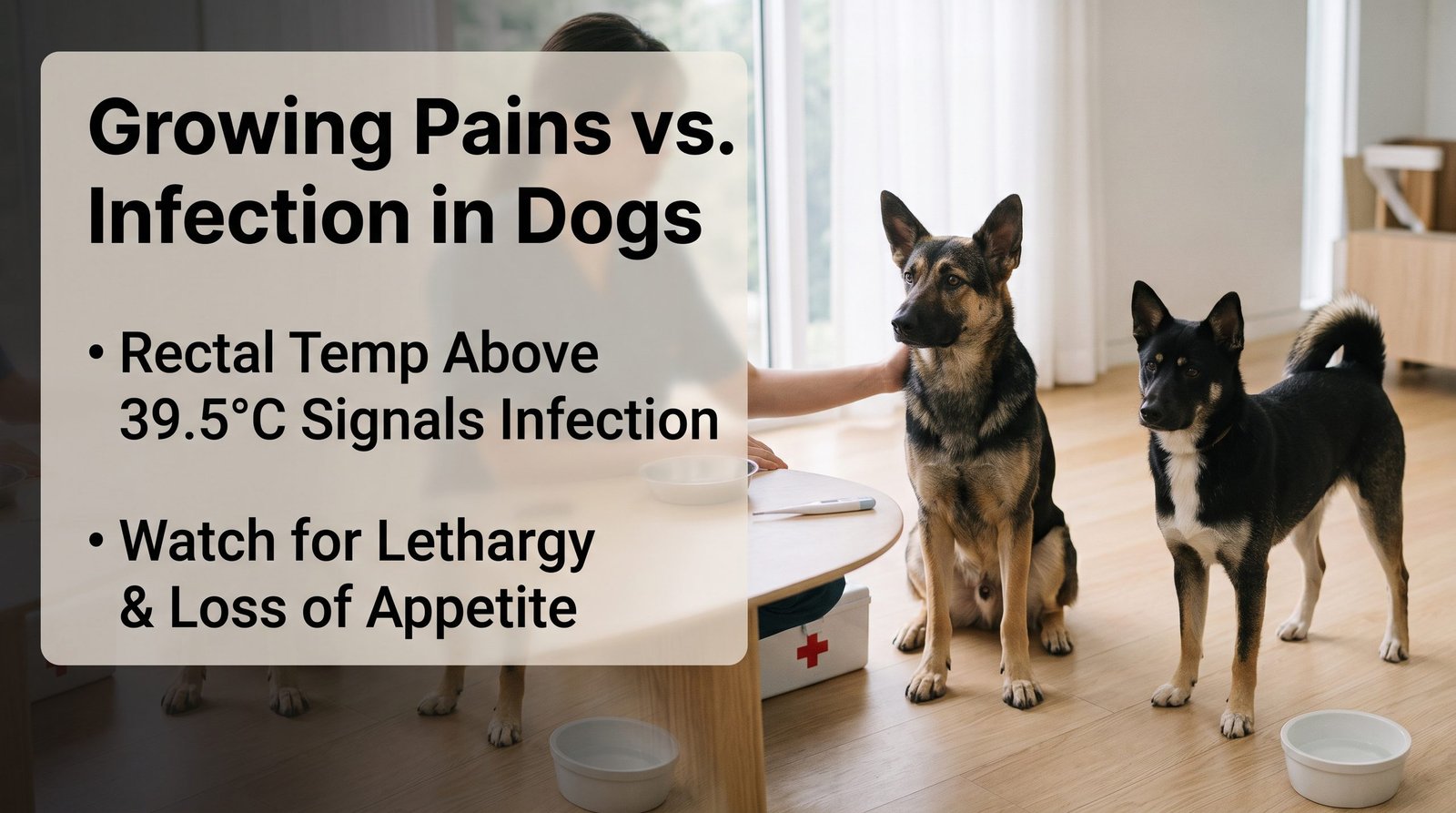
Canine Anorexia and Mild Fever: Differentiating Panosteitis from Infectious Diseases

When evaluating panosteitis vs infection in dogs, sudden lameness paired with a loss of appetite and warmth to the touch presents an agonizing dilemma for pet owners. Is this simply painful discomfort from canine “growing pains” (panosteitis), or does it signify an aggressive systemic infection such as septic arthritis, bone marrow inflammation, or a viral … Read more

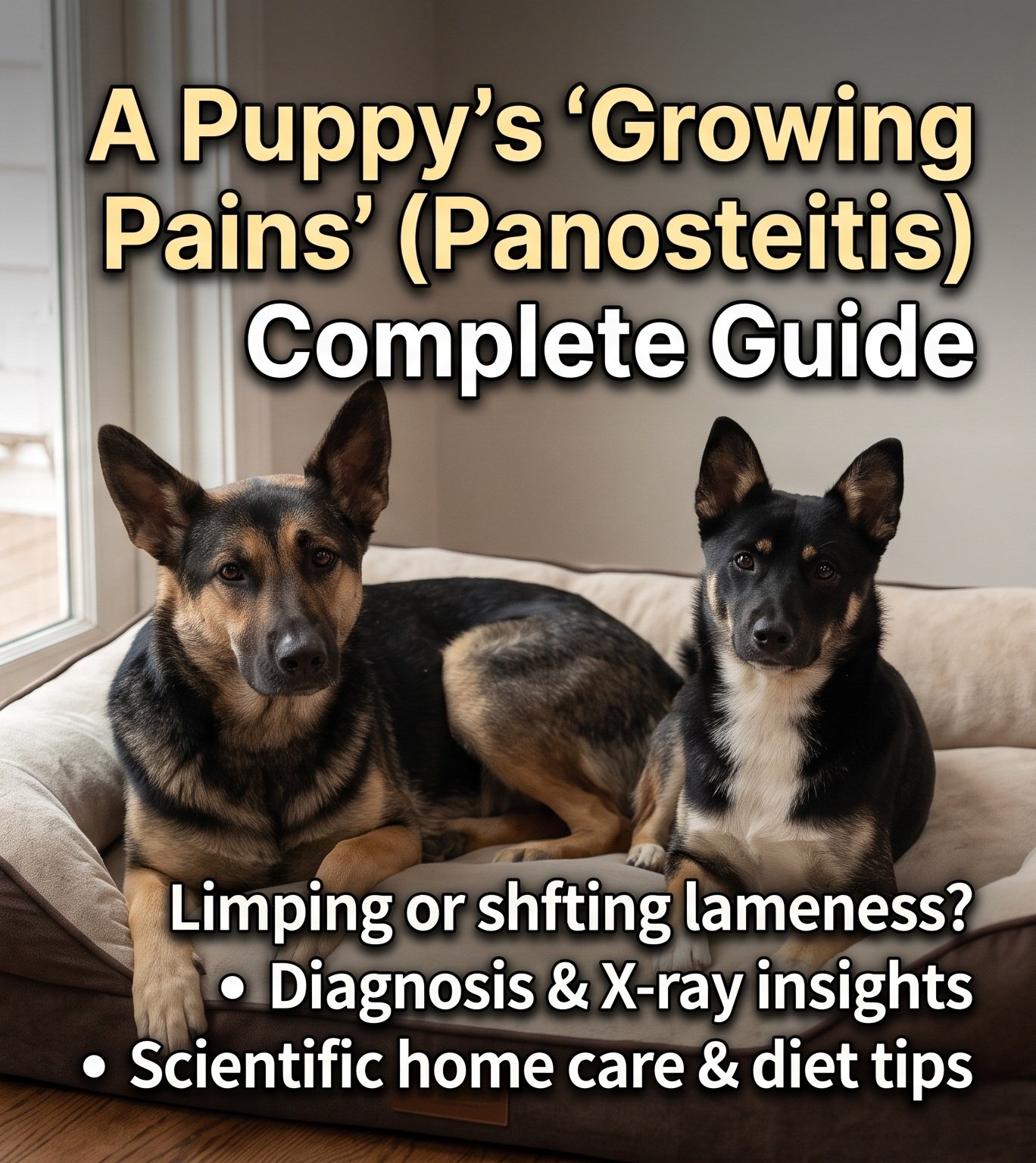
Veterinary Checklist for Canine Panosteitis: Radiographic Medullary Densities and Clinical Communication Guide

Interpreting a canine panosteitis x-ray correctly is critical for young, growing dogs, as acute leg pain is frequently misdiagnosed as hip dysplasia or early cruciate tears. When owners and clinicians overlook subtle intramedullary density changes on diagnostic radiographs, dogs are often exposed to unnecessary exploratory surgery or restricted movement while suffering acute periosteal bone pain. … Read more

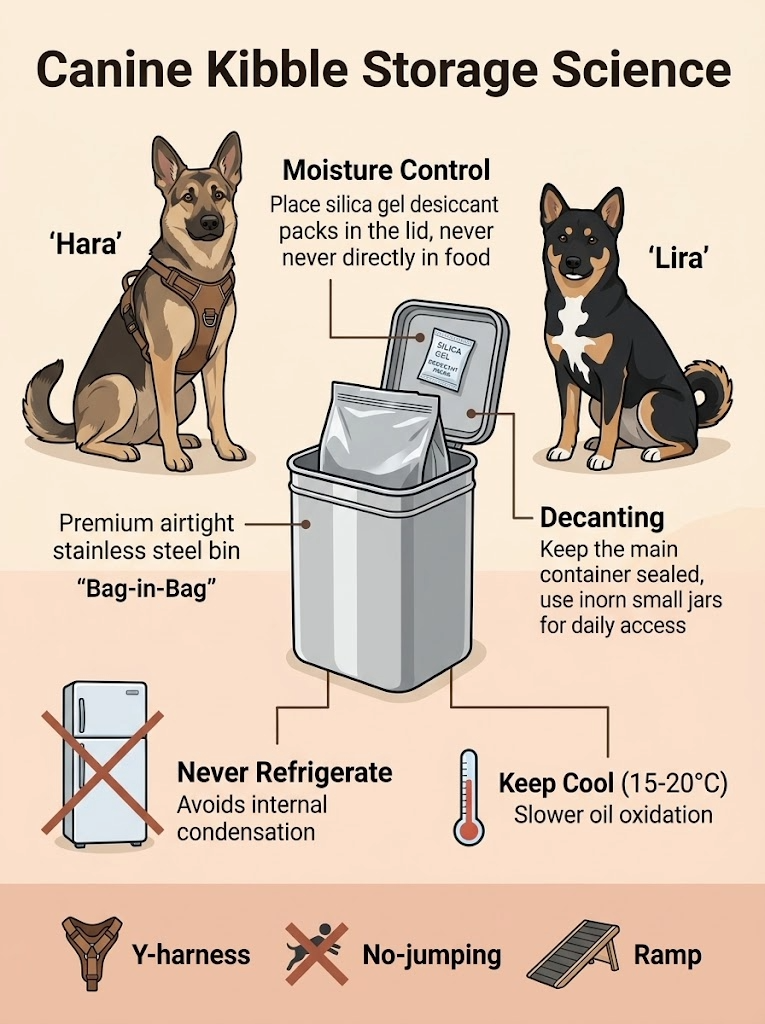
Canine Kibble Storage Science: 5 Rules to Prevent Moisture and Rancidity

Proper kibble storage is essential because the moment a bag of dry dog food is unsealed, exposure to atmospheric oxygen, ambient humidity, and photolytic radiation initiates lipid oxidation and rapid degradation of vital micronutrients. Rancid fats degrade palatability, irritate gastrointestinal mucosal linings, and induce chronic enteritis while destroying fat-soluble micronutrients. Preserving nutrient density requires far … Read more

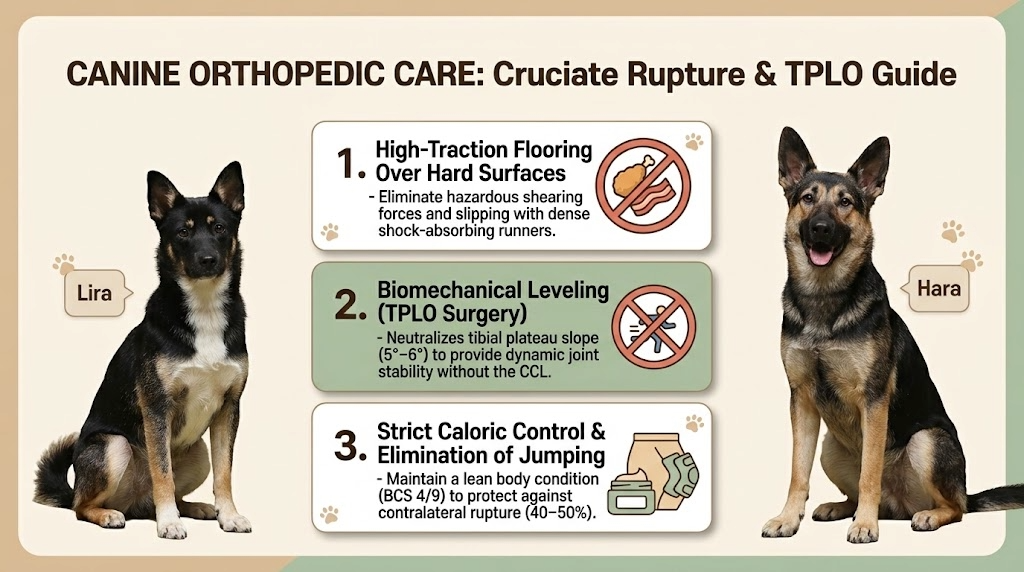
Canine Cranial Cruciate Ligament Rupture (CCLR): Biomechanics, TPLO Indications, and Rehabilitation

When a dog suddenly yelps during exercise or displays acute hindlimb lameness—holding the affected leg elevated off the ground—it rarely stems from a simple sprain. It often points to a critical orthopedic condition known as canine CCL rupture (cranial cruciate ligament rupture). Unlike human cruciate tears that typically result from acute traumatic hyperextension, canine CCL … Read more

Dog Paw Care After Walk: Wash vs Wipe and How to Prevent Pododermatitis

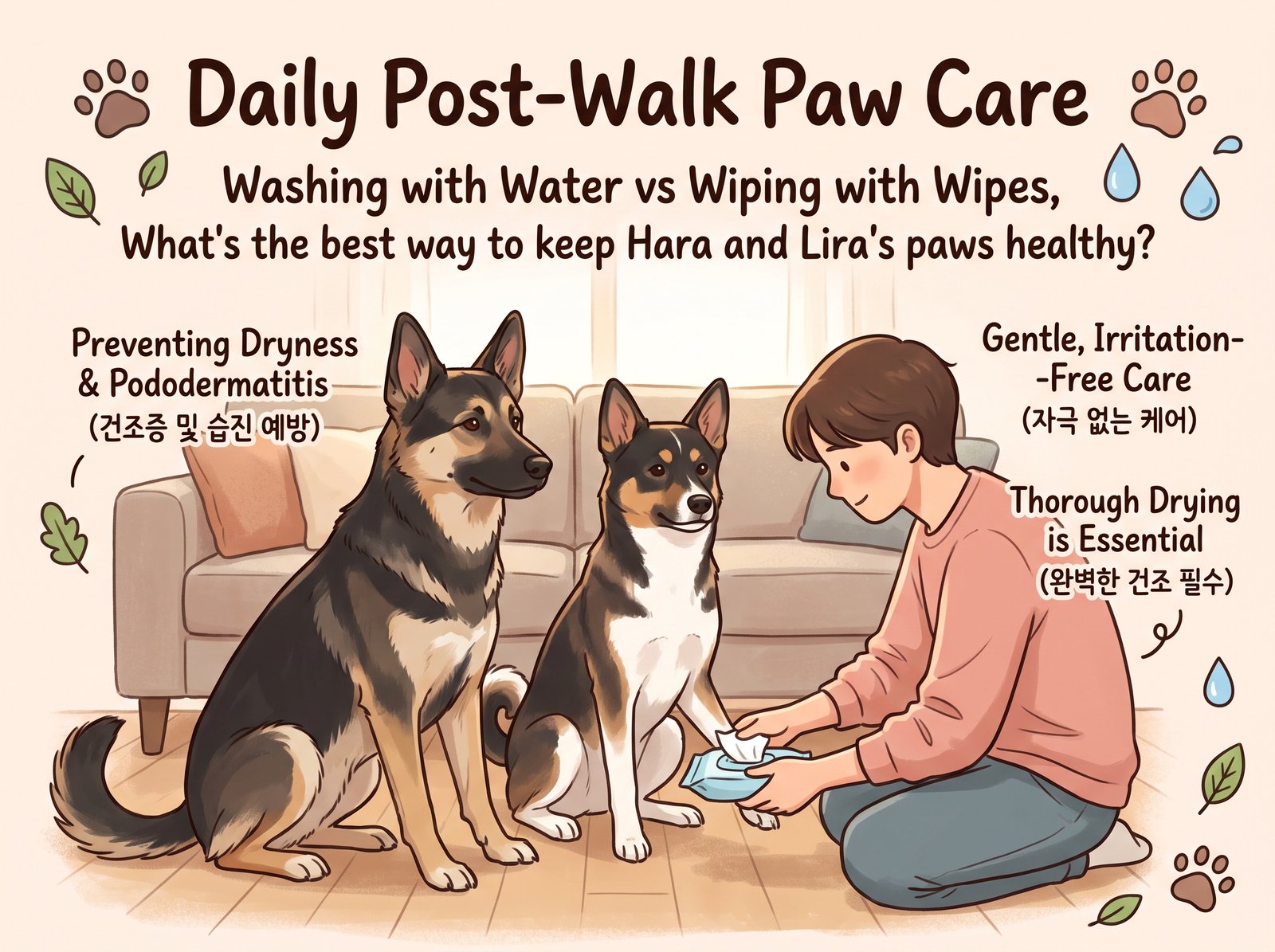
Implementing proper dog paw care after walk routines is critical for protecting your dog’s pad barrier. Many pet owners routinely wash their pet’s feet with running water and soap after outdoor exercise. However, excessive washing breaks down the protective lipid layer of the foot pads, causing dry skin, micro-cracks, and chronic interdigital dermatitis (pododermatitis). Optimal … Read more

Dog Ear Suddenly Droops on a Walk? Critical Causes & Emergency Protocol

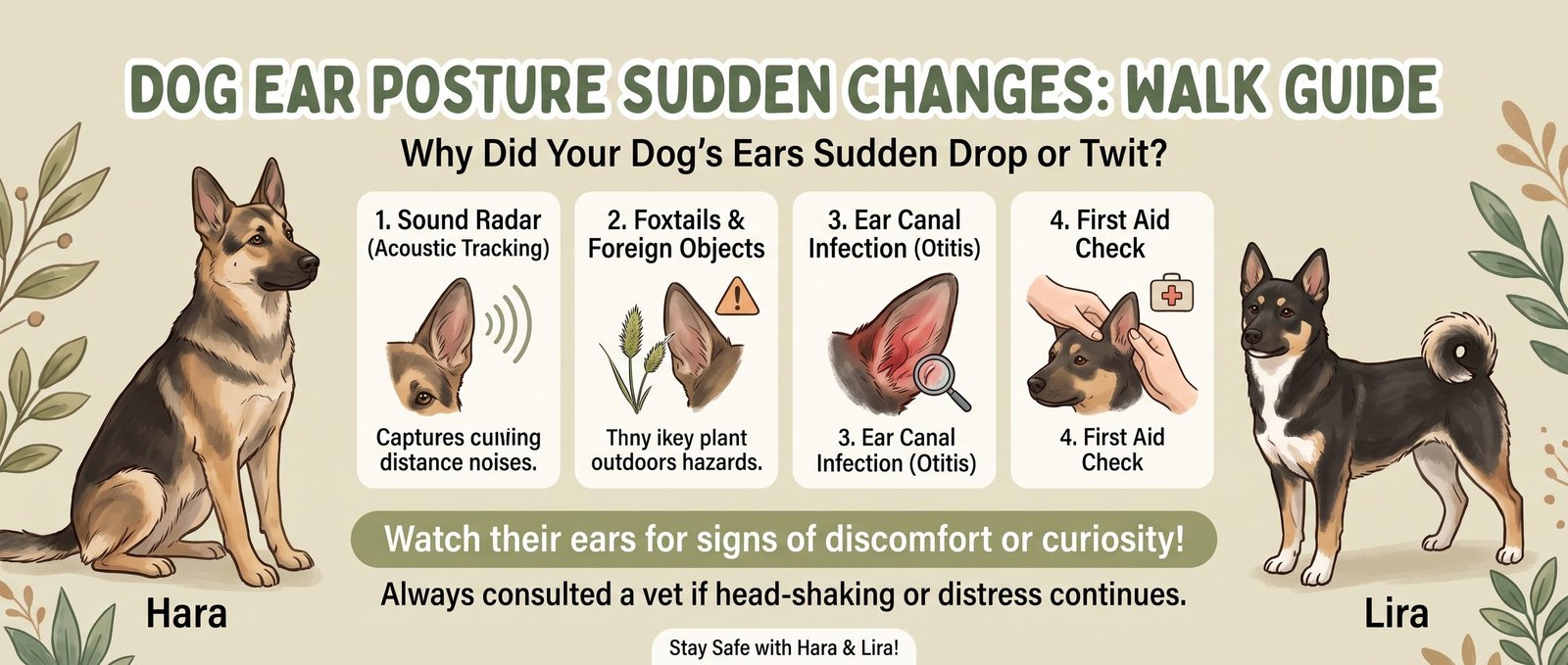
Veterinary Medical Disclaimer: This guide is based on hands-on canine handling experience and established veterinary triage principles. It is designed for educational purposes only. If your dog exhibits signs of acute pain, uncontrollable head shaking, or bleeding, contact a licensed veterinarian immediately. When an upright dog ear droops on walk outings, it demands immediate attention … Read more

Canine Dehydration Diagnostics and Intracellular Electrolyte Balance: The Clinical Hydration Protocol Proven by Hara & Lira

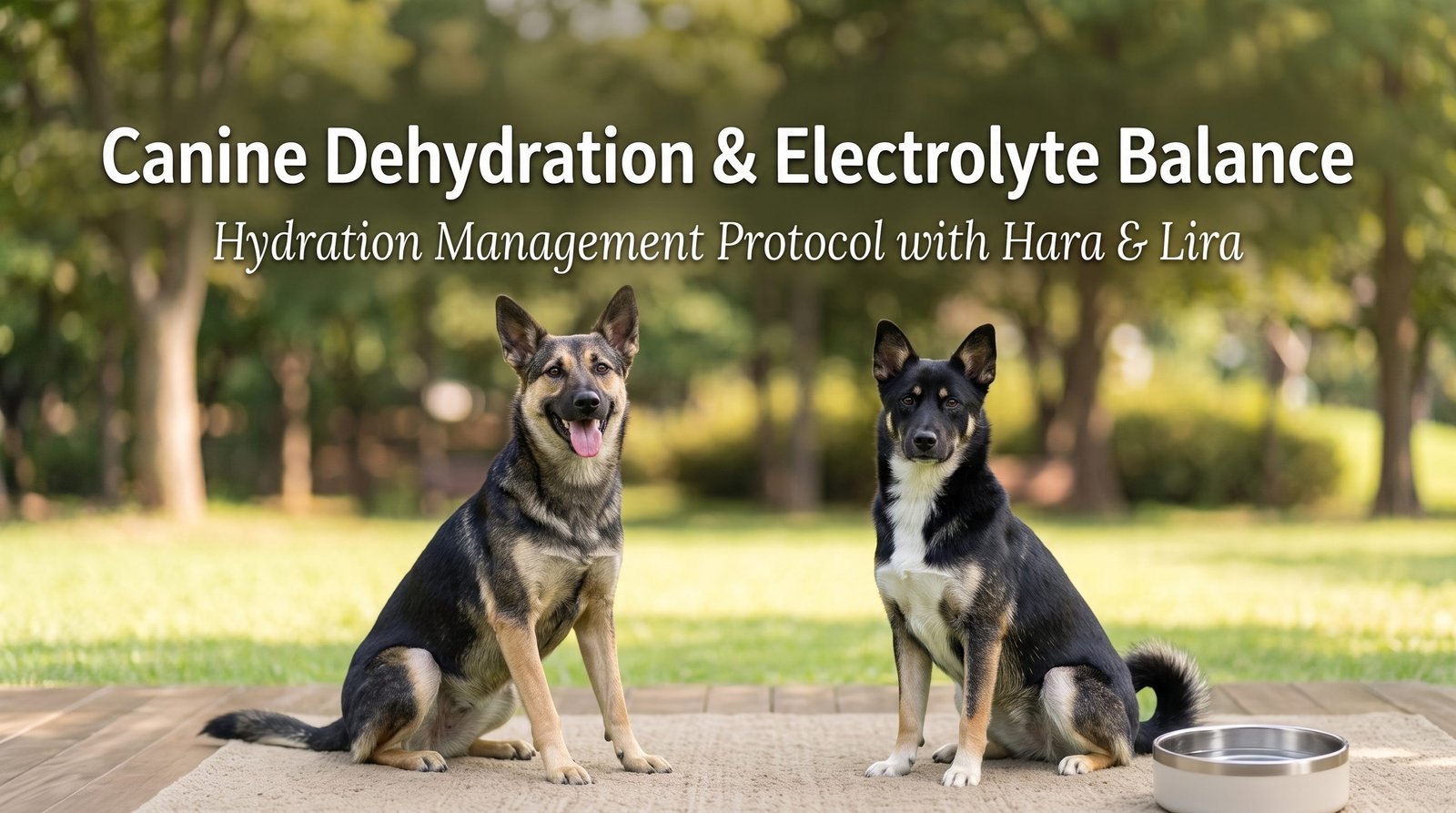
A water loss representing as little as 5% of total body mass causes an immediate plunge in a canine’s Glomerular Filtration Rate (GFR), severely obstructing the clearance of cellular metabolic waste. Because domestic dogs possess virtually no functional apocrine sweat glands over their bodies, their thermal regulation relies almost exclusively on respiratory evaporation through panting. … Read more