Canine Gastrointestinal Protocol: Analyzing Pet Food Ingredients and Managing Dietary Transitions
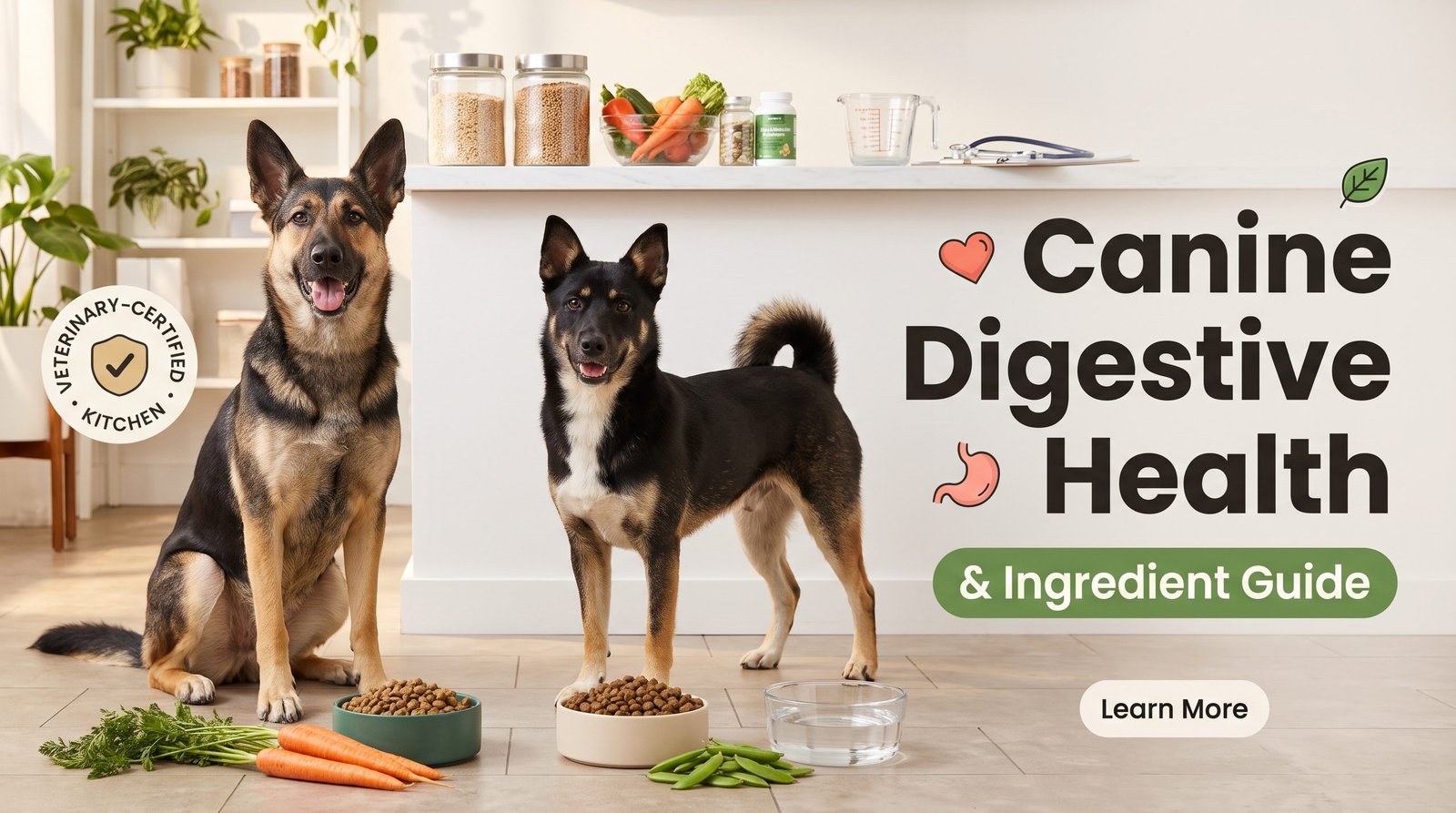
When a dog experiences recurring bouts of loose stools, vomiting, or acute intestinal distress, executing a proper dietary transition is essential, though caregivers often misattribute these symptoms to mild fatigue or environmental stress. In clinical reality, over 70% of non-infectious canine digestive disorders stem directly from erratic dietary changes, sub-optimal protein meals, or aggressive filler … Read more
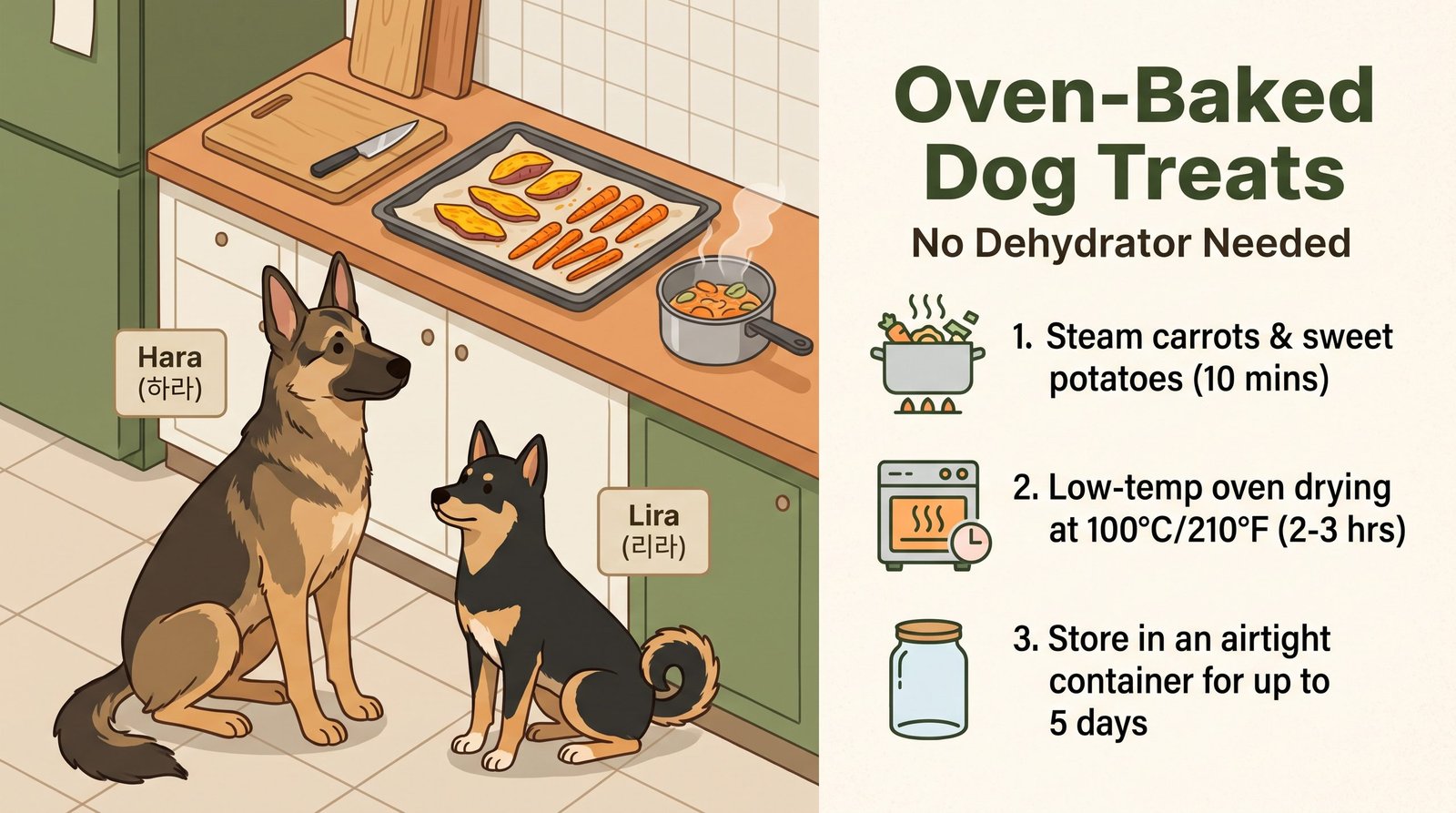
Homemade Dog Treats Without a Food Dehydrator: Oven-Drying Carrot and Sweet Potato Chews for Canines

Commercial dog treats frequently contain chemical preservatives, artificial flavoring, and excessive refined starches that disrupt the canine gut microbiome and trigger allergic dermatitis. Making healthy homemade dog chews right in your kitchen completely eliminates these industrial additives, yet many pet owners hesitate due to the high cost of dedicated food dehydrators and their extensive 10-hour … Read more

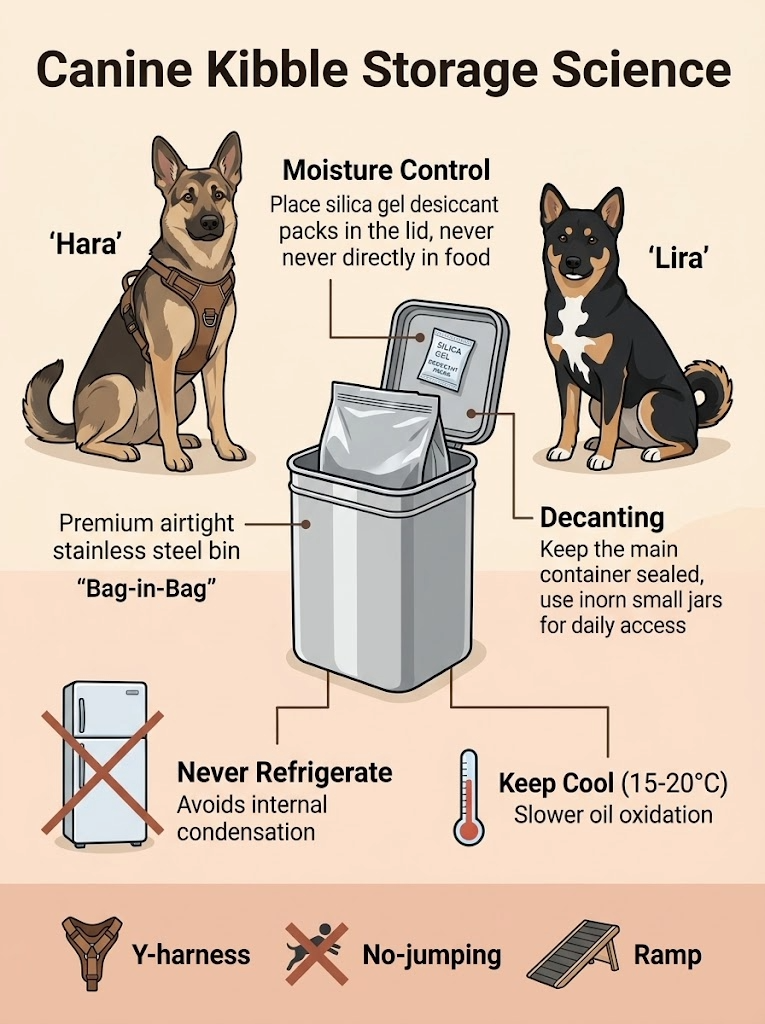
Canine Kibble Storage Science: 5 Rules to Prevent Moisture and Rancidity

Proper kibble storage is essential because the moment a bag of dry dog food is unsealed, exposure to atmospheric oxygen, ambient humidity, and photolytic radiation initiates lipid oxidation and rapid degradation of vital micronutrients. Rancid fats degrade palatability, irritate gastrointestinal mucosal linings, and induce chronic enteritis while destroying fat-soluble micronutrients. Preserving nutrient density requires far … Read more

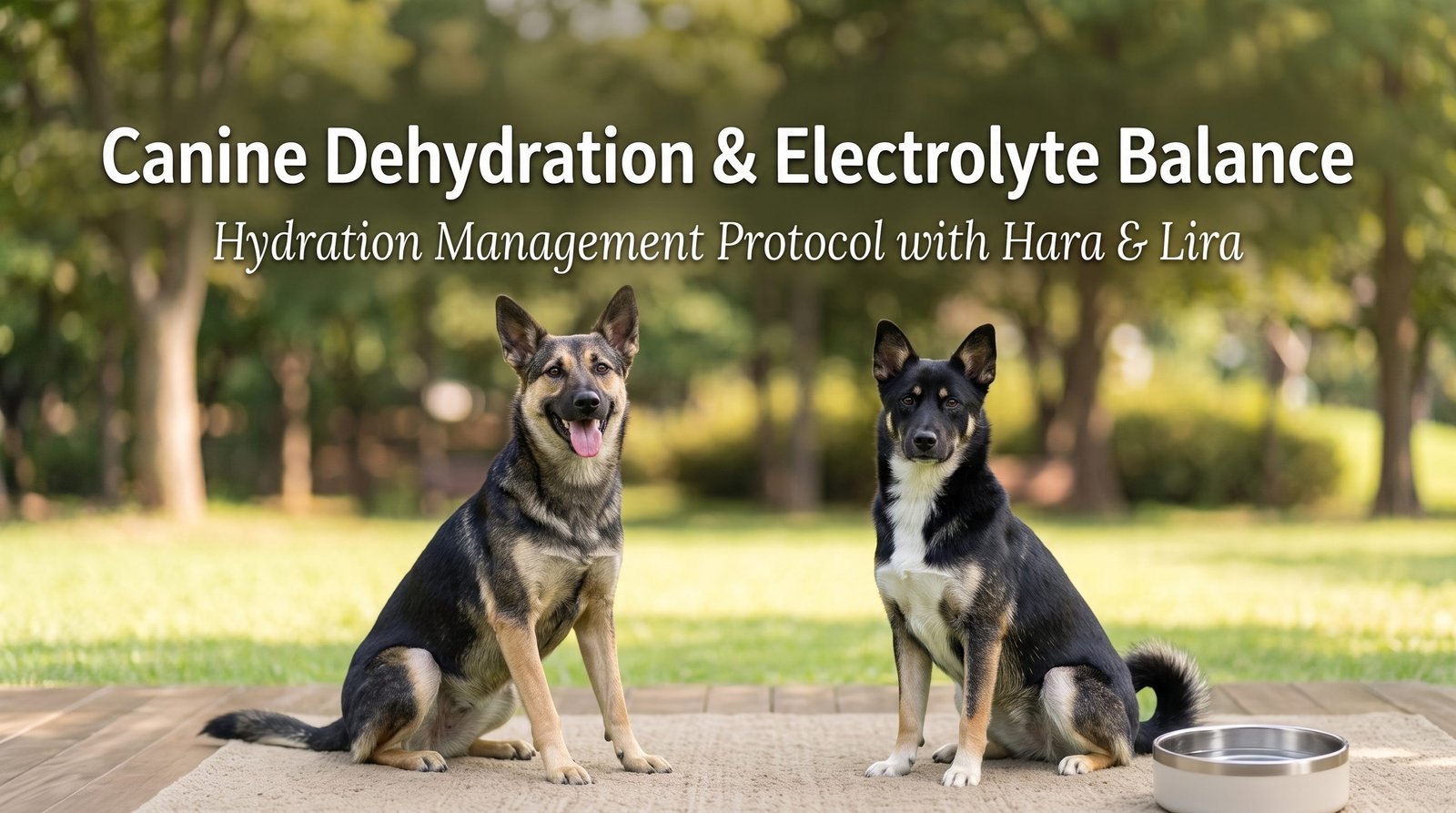
Canine Dehydration Diagnostics and Intracellular Electrolyte Balance: The Clinical Hydration Protocol Proven by Hara & Lira

A water loss representing as little as 5% of total body mass causes an immediate plunge in a canine’s Glomerular Filtration Rate (GFR), severely obstructing the clearance of cellular metabolic waste. Because domestic dogs possess virtually no functional apocrine sweat glands over their bodies, their thermal regulation relies almost exclusively on respiratory evaporation through panting. … Read more

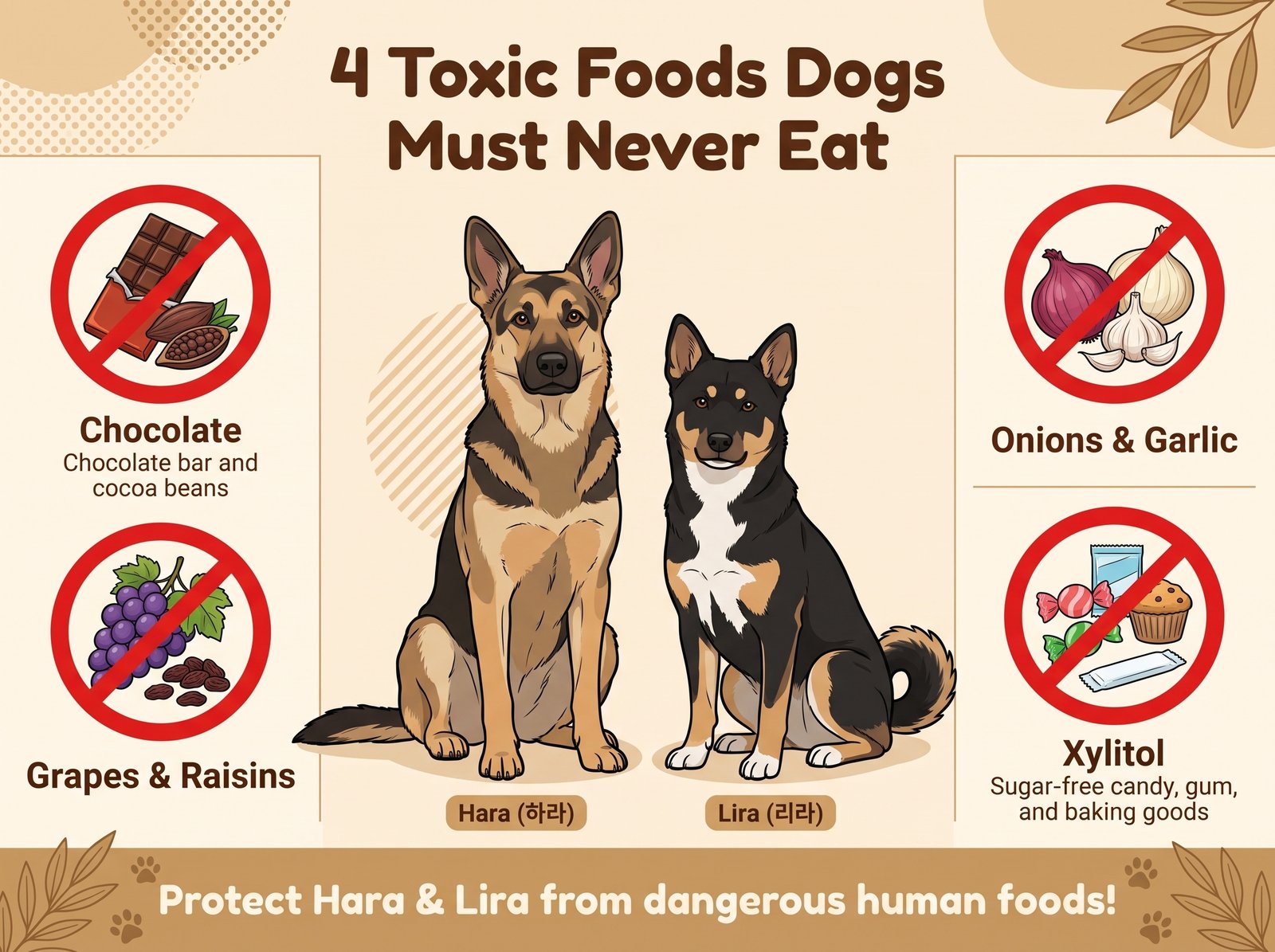
4 Toxic Foods Dogs Must Never Eat: Emergency Guide & Prevention

While sharing food with our canine companions is a common way to bond, understanding the most dangerous toxic foods for dogs is essential for preventing sudden veterinary emergencies. Many human foods contain chemical compounds that dogs are metabolically unable to process, leading to acute organ failure or even fatality. Because dogs possess fundamentally different digestive … Read more

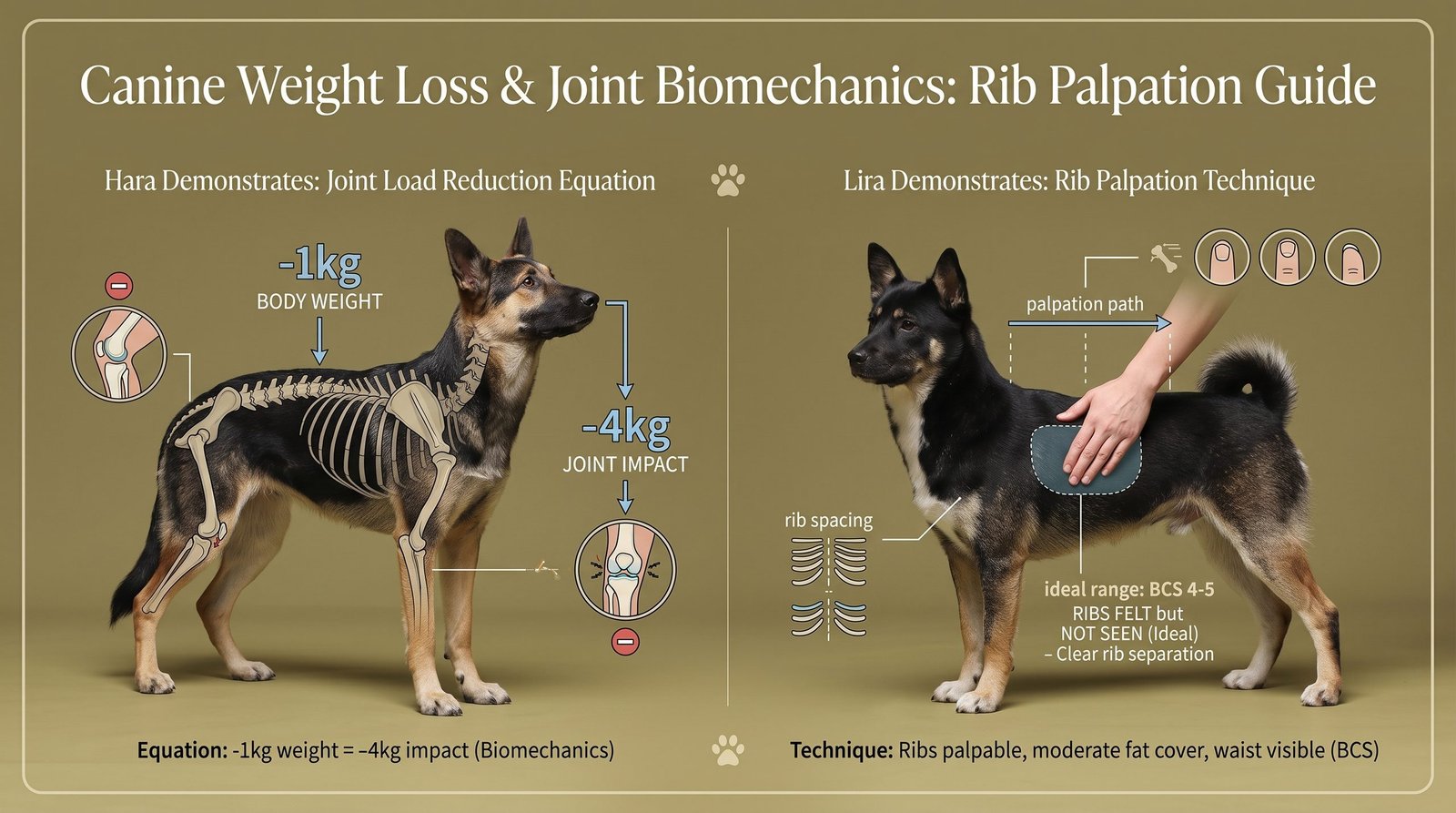
Canine Weight Loss and Joint Health: Cut Osteoarthritis Impact via Rib Palpation & BCS

Optimizing canine weight loss joint health is essential to reducing dynamic impact on canine cartilage. When a dog gains just a single kilogram, the mechanical burden transferred to its musculoskeletal system is amplified exponentially. According to veterinary gait biomechanics, a dog absorbs between 3 to 4 times its static body weight in Ground Reaction Force … Read more

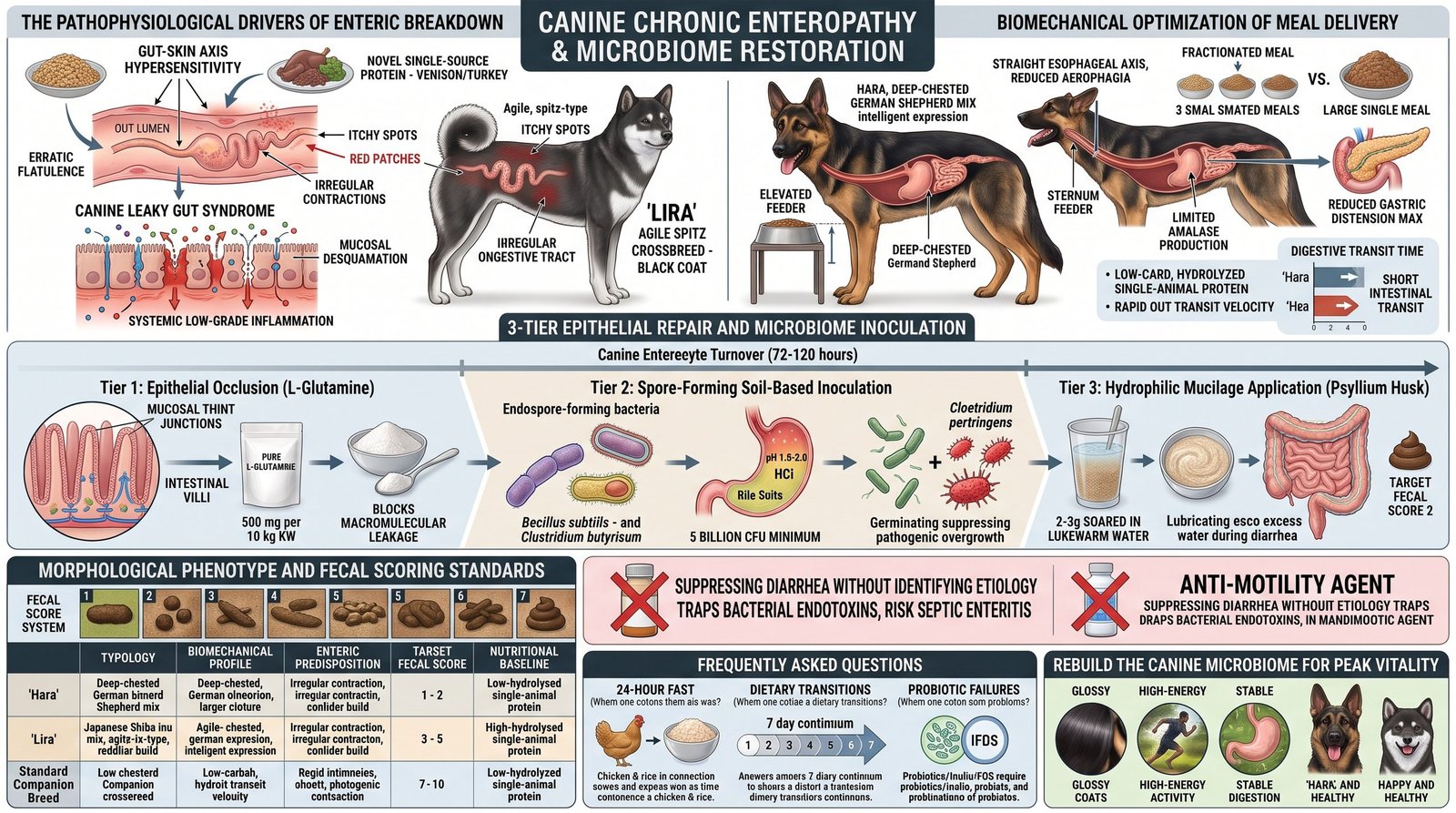
Canine Chronic Enteropathy and Microbiome Restoration: Hara and Lira’s Evidence-Based Gastrointestinal Protocol

Canine chronic enteropathy, often manifested through chronic soft stools, persistent borborygmi, and erratic flatulence, is rarely a benign reaction to routine feeding. Instead, these symptoms represent hallmarks of enteric hyperpermeability and bacterial dysbiosis—commonly recognized as canine Leaky Gut Syndrome. Large, deep-chested working crossbreeds like German Shepherd mixes (represented by Hara’s rapid gut transit velocity) and … Read more

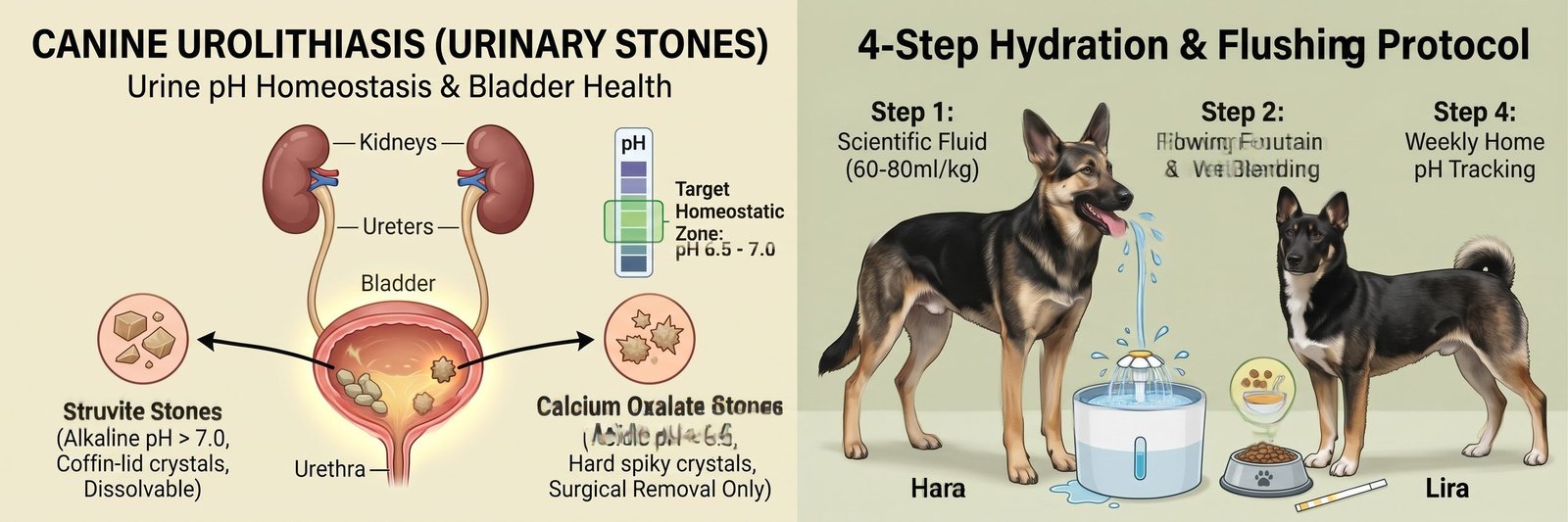
Canine Urinary Stones and Urine pH: Struvite vs Calcium Oxalate with 4-Step Hydration Protocol

Canine urinary stones (urolithiasis) represent an excruciating, highly recurrent urological crisis caused by the pathological precipitation and aggregation of macroscopic mineral crystals within the renal pelvis, bladder, or urethral tract. Pet owners frequently misinterpret frequent squatting, stranguria (straining to urinate), or pollakiuria as behavioral territory-marking or emotional distress, missing the critical window for medical resolution. … Read more

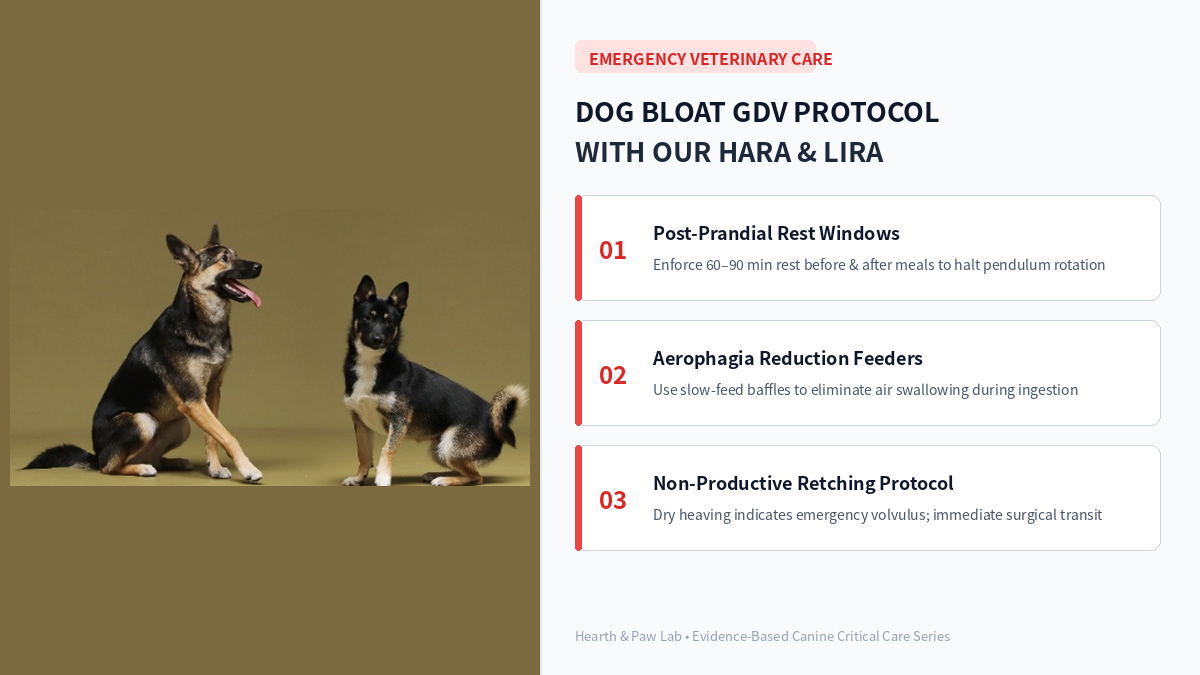
Large Canine GDV Prevention: Causes, Symptoms, and Feeding Rules

When executing disciplined dog bloat prevention, observing a canine repeatedly heave without producing vomitus alongside rapid abdominal distension signals Gastric Dilatation-Volvulus (GDV)—the most lethal gastrointestinal emergency in veterinary medicine. Deep-chested large canines and working mixes possess prolonged gastric ligaments, rendering their anatomically heavy stomachs susceptible to rotating 180 to 360 degrees along the mesenteric axis. … Read more

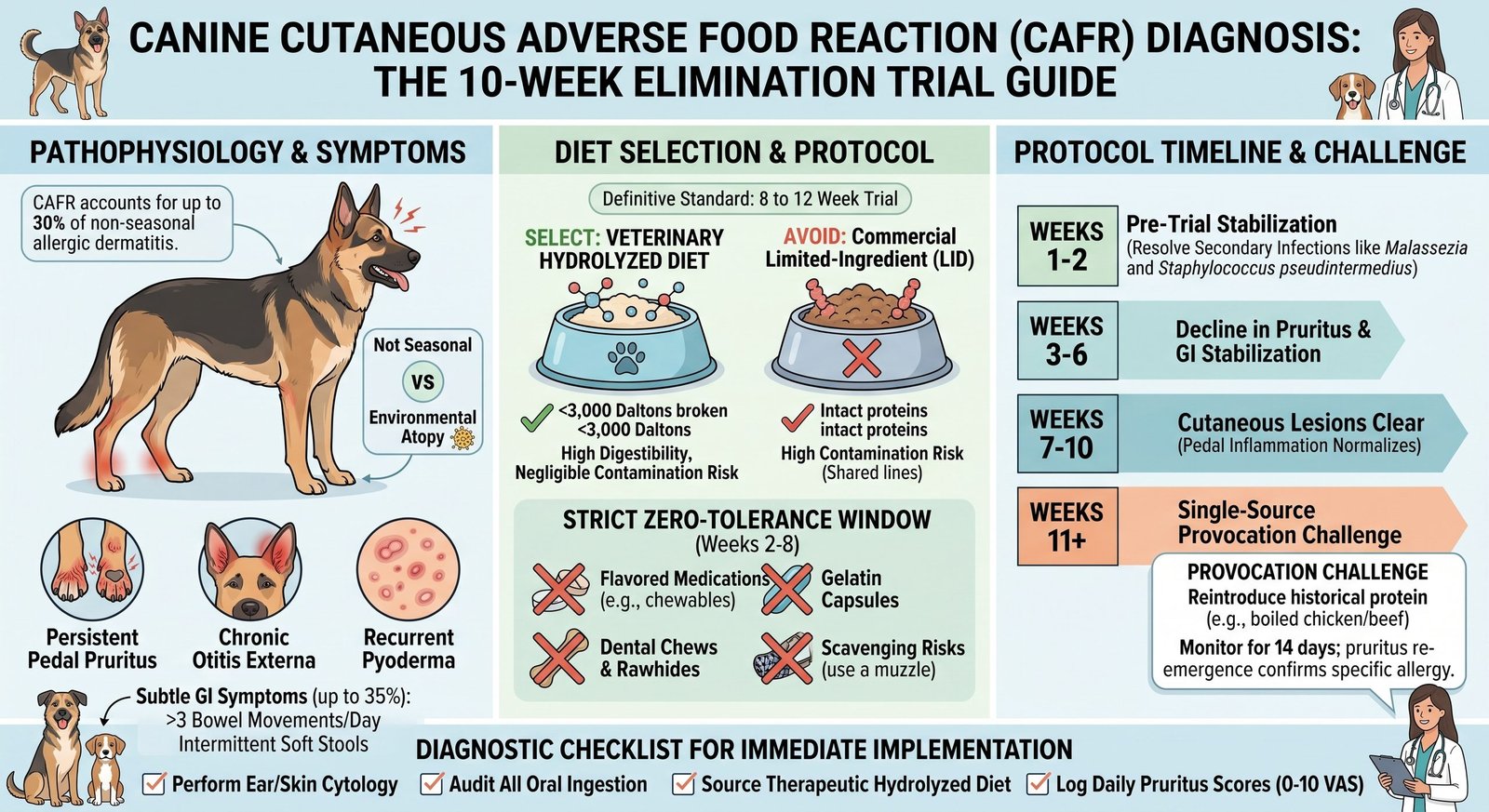
Canine Cutaneous Adverse Food Reactions (CAFR): A Clinical Protocol for Elimination Diets and Dermatological Management

Conducting a strict dietary elimination trial for dogs is essential when persistent pedal pruritus, chronic bilateral otitis externa, and recurrent superficial pyoderma fail to respond to standard therapy. While these symptoms in dogs are frequently misdiagnosed as simple seasonal allergies, they may represent cutaneous adverse food reactions (CAFR). In clinical reality, CAFR accounts for up … Read more