Dog Car Sickness Crate Training: 4-Stage Protocol for Road Trips
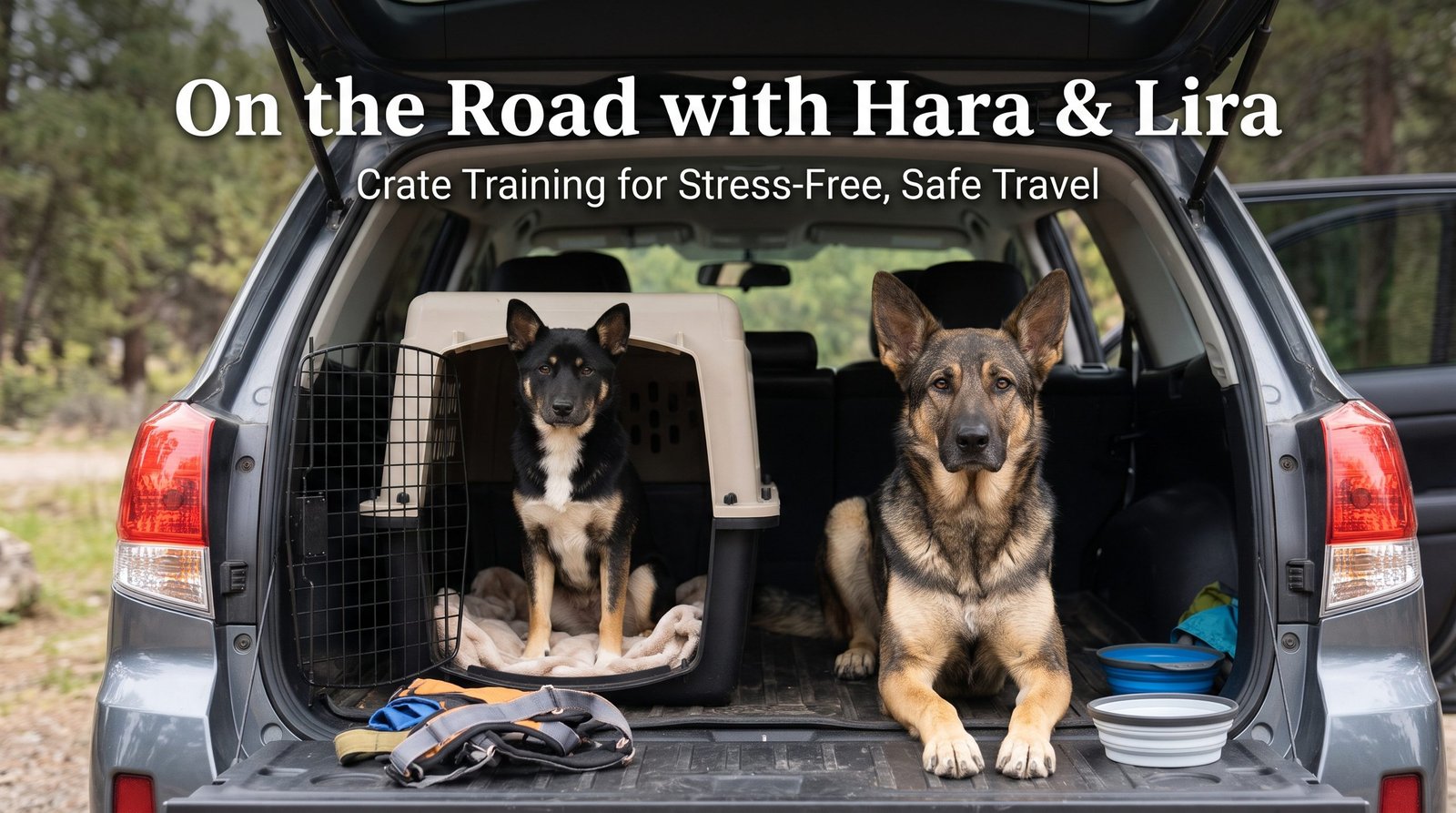
Implementing a structured approach to dog car sickness crate training is essential before embarking on a long-distance road trip with your dog. While travel should be an enjoyable adventure, for dogs unaccustomed to vehicle dynamics, it frequently deteriorates into an ordeal of vestibular disorientation and acute distress. Excessive panting, compulsive lip-licking, hypersalivation, and recurrent emesis … Read more
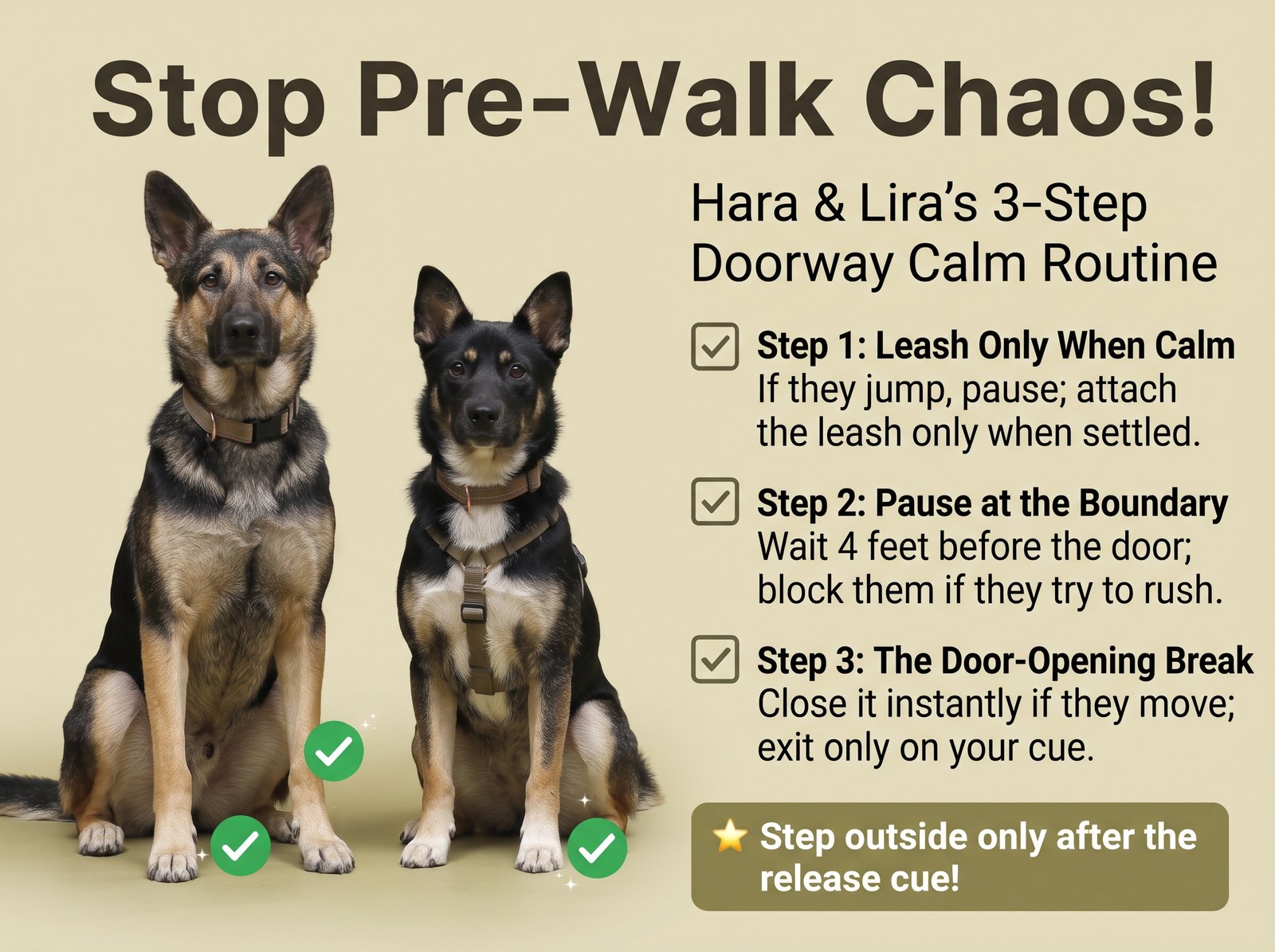
Stop the Front Door Chaos: A 3-Step Routine to Calm Your Dog Before Walks

Learning how to calm dog before walks is essential for every pet parent facing front door chaos. We all dream of peaceful outdoor adventures with our dogs, but the pre-walk frenzy—running around the house, barking, or lunging at the front door before you even step outside—can leave any owner exhausted before the walk even begins. … Read more

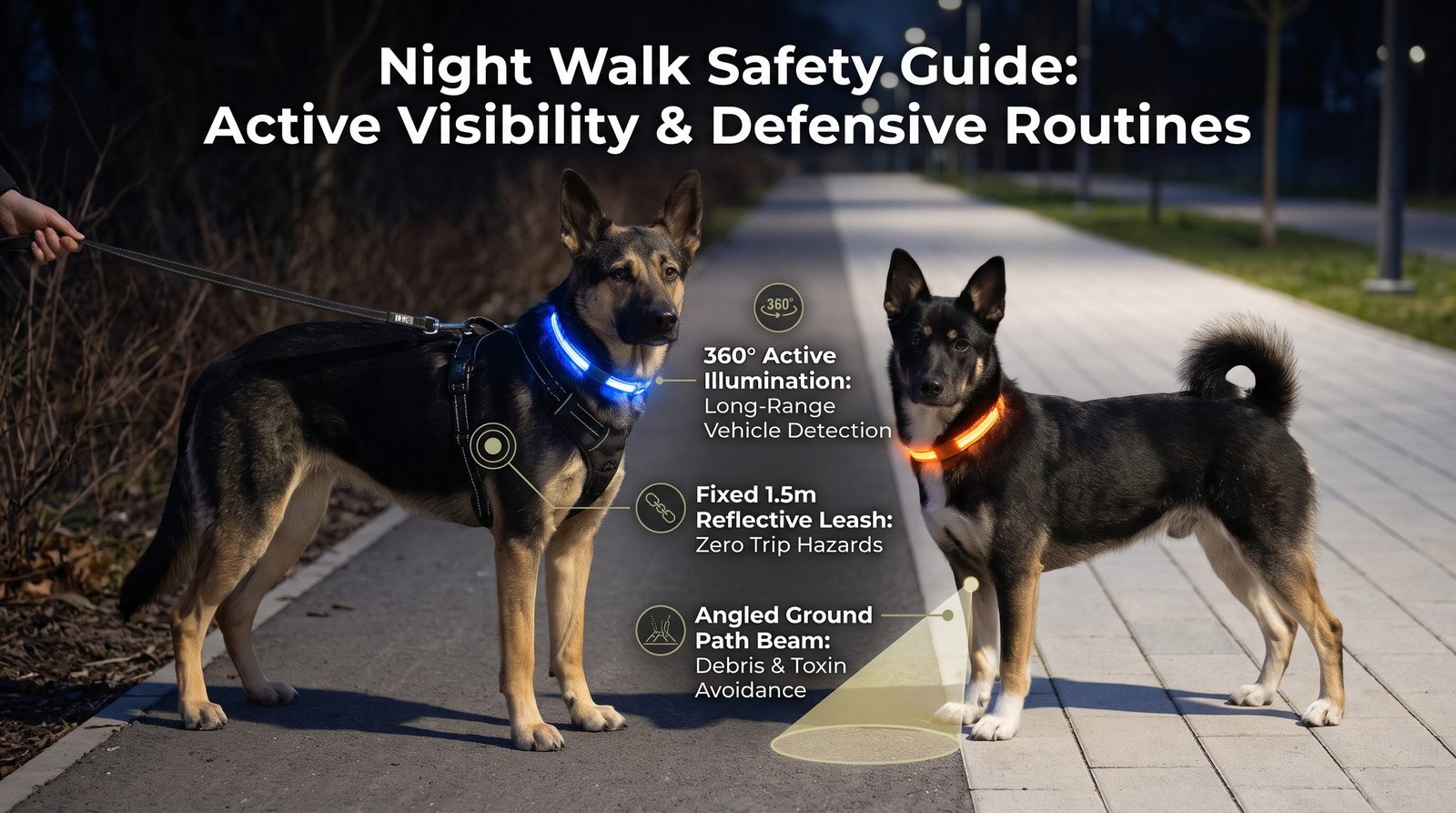
Night Walk Safety Protocols for Dogs: Active Visibility Gear and Defensive Walking Routines

Prioritizing dog night walk safety is critical, as walking dogs after dark presents heightened hazards due to poor ambient visibility, delayed vehicle brake responses, and unpredictable pedestrian traffic. For dogs with dark coats or athletic, low-to-the-ground profiles, navigating unlit roads without multi-directional illumination exposes them to sudden collision risks. Ensuring complete safety requires moving beyond … Read more

Minimizing Impact from Stairs and Sofas: Dog Ramp Installation Standards and Joint Protection Training

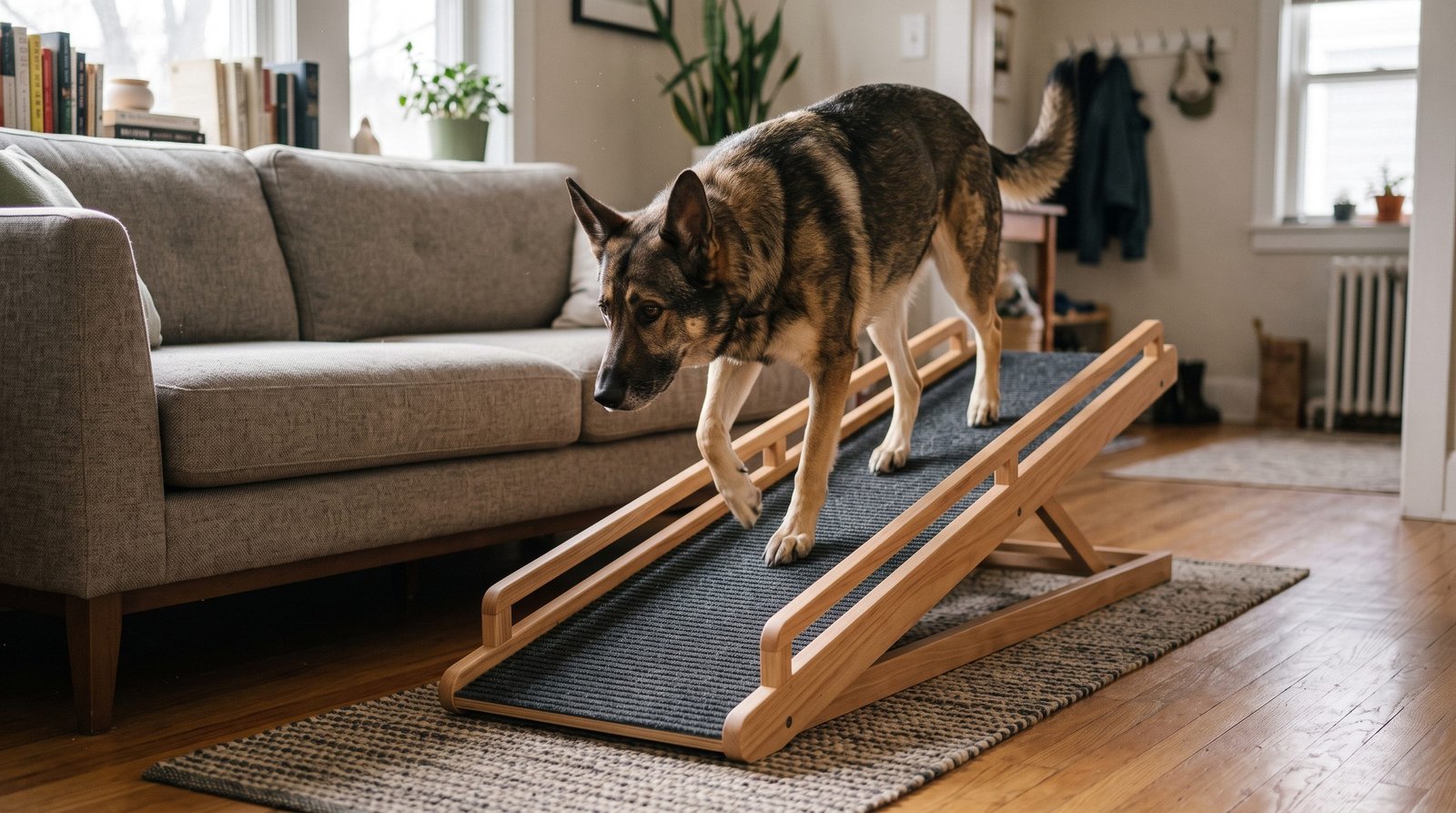
Proper dog ramp training is essential to protect canines from repetitive landing stress. Every time a domestic dog leaps down from an elevated sofa, bed, or porch step, their musculoskeletal frame absorbs a concussive shock wave equal to three to four times their total body weight. While a young, athletic dog may appear unaffected by … Read more

German Shepherd & Shiba Inu Mix Care Guide: Analyzing Temperaments, Exercise Protocols, and Training Based on Hara & Lira

When caring for a German Shepherd Shiba Inu mix, understanding the balance between high-drive work ethics and Spitz independence is critical. When the intelligence and protective loyalty of a German Shepherd converge with the territorial instincts of a Shiba Inu, the resulting hybrid defies standard dog training textbooks. The working dog heritage demands clear structure, … Read more

From Boredom to Destruction: How to Scale Dog Puzzle Toys and Nosework

Torn drywall, gnawed baseboards, and upended trash bins discovered after returning home are rarely acts of spite or dominance. When a canine brain experiences chronic under-stimulation and mental barrenness, destructive chewing becomes a neurological coping strategy to manufacture dopamine. Introducing the right dog puzzle toys provides essential mental stimulation, but scaling their difficulty properly is … Read more

Biomechanics of Canine Walking Gear: Preventing Cervical Trauma and Impact Forces with a Precision Y-Harness Protocol

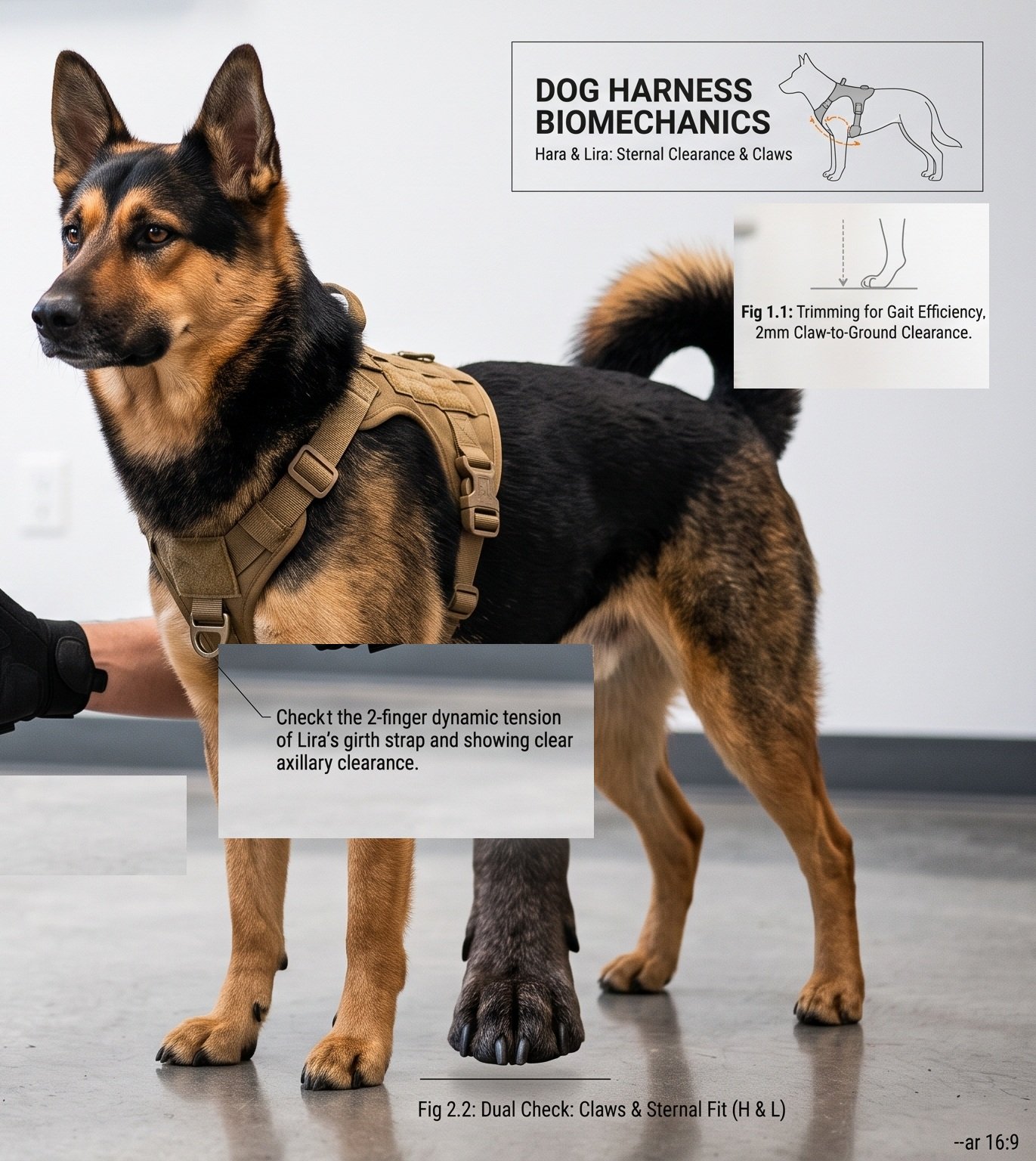
Understanding dog harness biomechanics is vital, as selecting walking gear based on handler convenience or physical restraint is an orthopedic error that invites chronic neurological trauma and cervical disc extrusion. When a dog lunges suddenly, kinetic energy multiplies by factors relative to body mass, focusing intensely on the structural contact zone. In high-drive crossbreeds combining … Read more

Canine Cognitive Dysfunction Symptoms: DISHA Scoring Matrix & 4-Step Neuroprotective Protocol

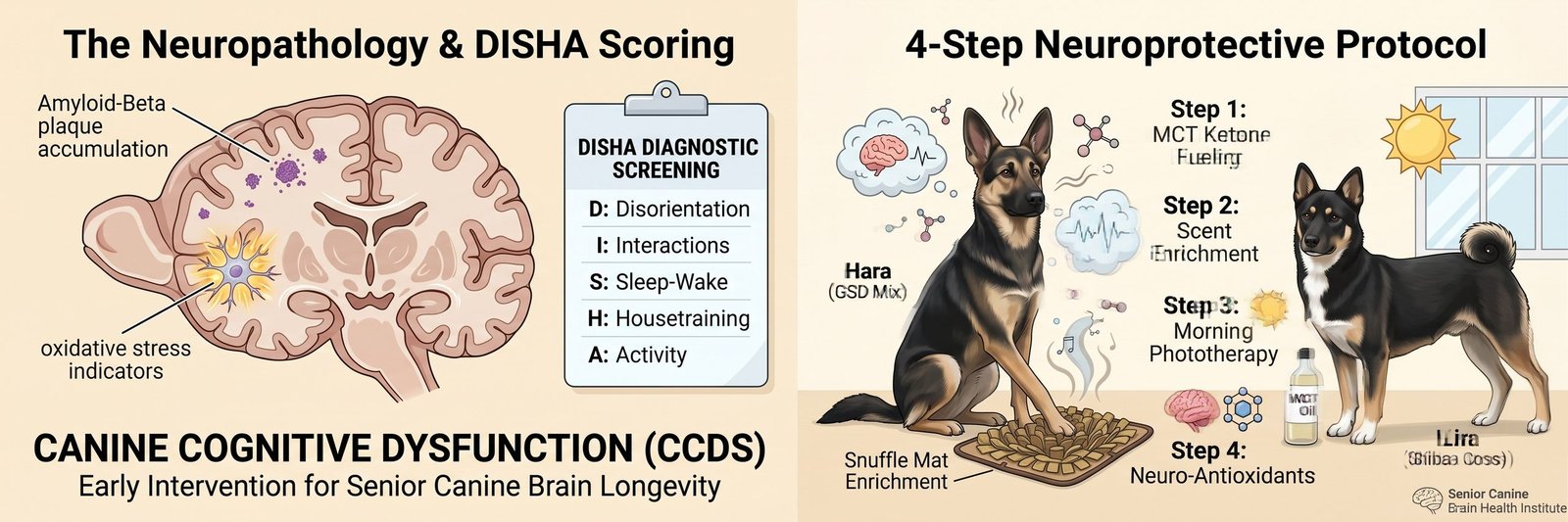
Canine cognitive dysfunction symptoms represent far more than benign behavioral quirks of old age; they are the external hallmarks of Canine Cognitive Dysfunction Syndrome (CCDS), an irreversible, progressive neurodegenerative disease pathologically parallel to human Alzheimer’s disease. Epidemiological data indicates that 14% to 35% of dogs aged 8 and older suffer from CCDS, with prevalence exceeding … Read more

Canine Joint Biomechanics: A 3-Tier Exercise and Weight-Bearing Protocol for Hip and Patella Preservation

Understanding canine joint biomechanics reveals why canine lameness and difficulty rising do not emerge until over 30% of articular cartilage has already undergone irreversible degradation. Evolutionary instincts compel canines to suppress overt signs of orthopedic pain, making early micro-inflammatory processes difficult to observe with the naked eye. True orthopedic longevity relies not on post-symptomatic supplementation, … Read more