Fast 3-Step Routine for Cleaning and Drying Dog Paws and Wet Coats After Rain or Snow
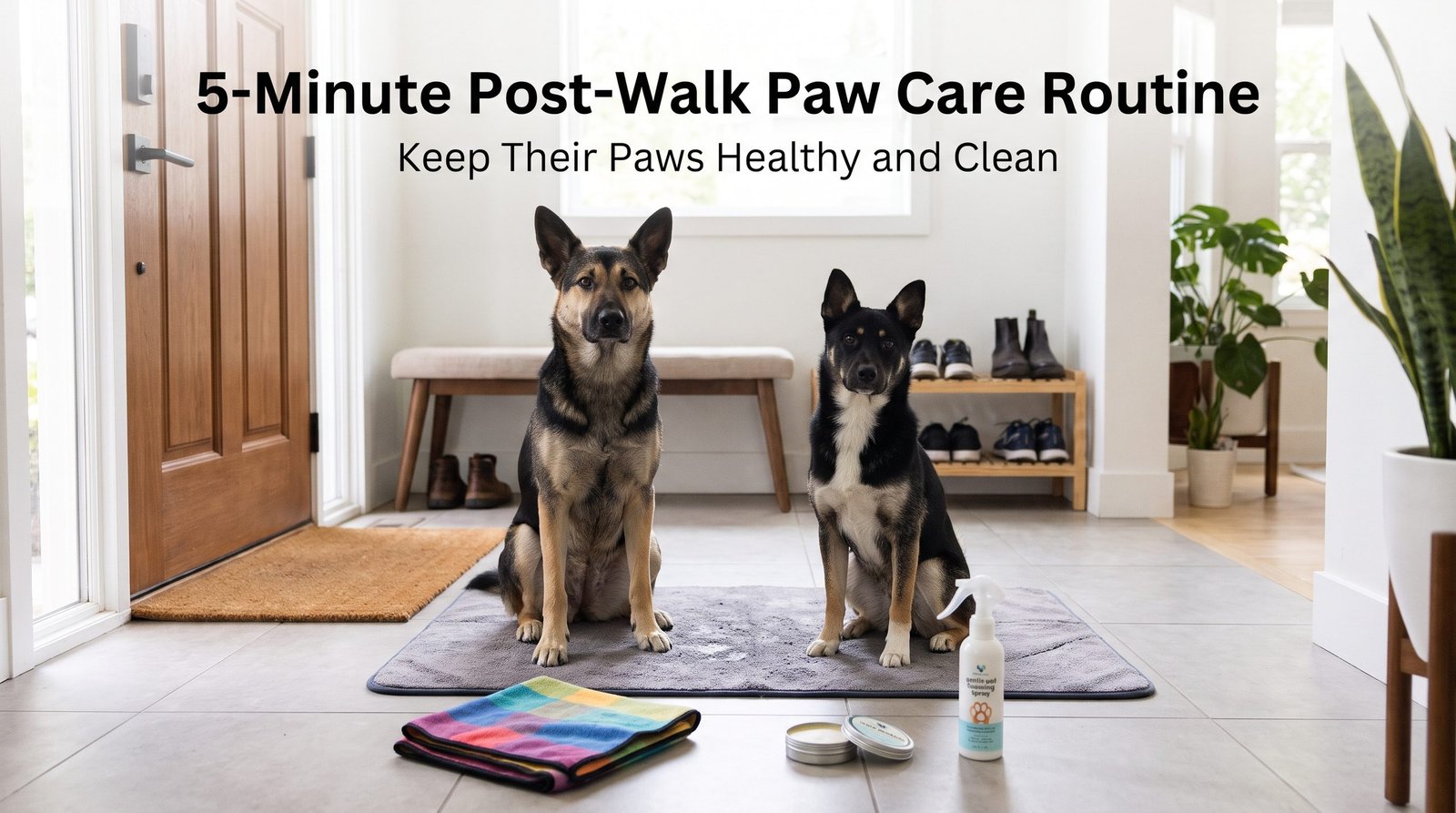
Establishing a swift protocol for cleaning and drying dog paws the moment a dog crosses the threshold after a trek through rain, slush, or winter snow prevents pododermatitis and severe fur matting. Trapped moisture combined with canine body heat transforms the webbing between paw pads into an optimal incubator for Malassezia yeast and pathogenic staphylococci. … Read more
Complete Canine Dental Care Guide: Combining Dental Chews and Brushing into an Effective Weekly Routine

Establishing an effective dog dental care routine is critical, as the soft bacterial biofilm (plaque) on a dog’s teeth interacts with calcium and salivary glycoproteins within 48 to 72 hours following a meal, calcifying into dense, insoluble calculus (tartar). This porous structure acts as a permanent microbial reservoir, accelerating gingivitis, progressive periodontitis, and alveolar bone … Read more

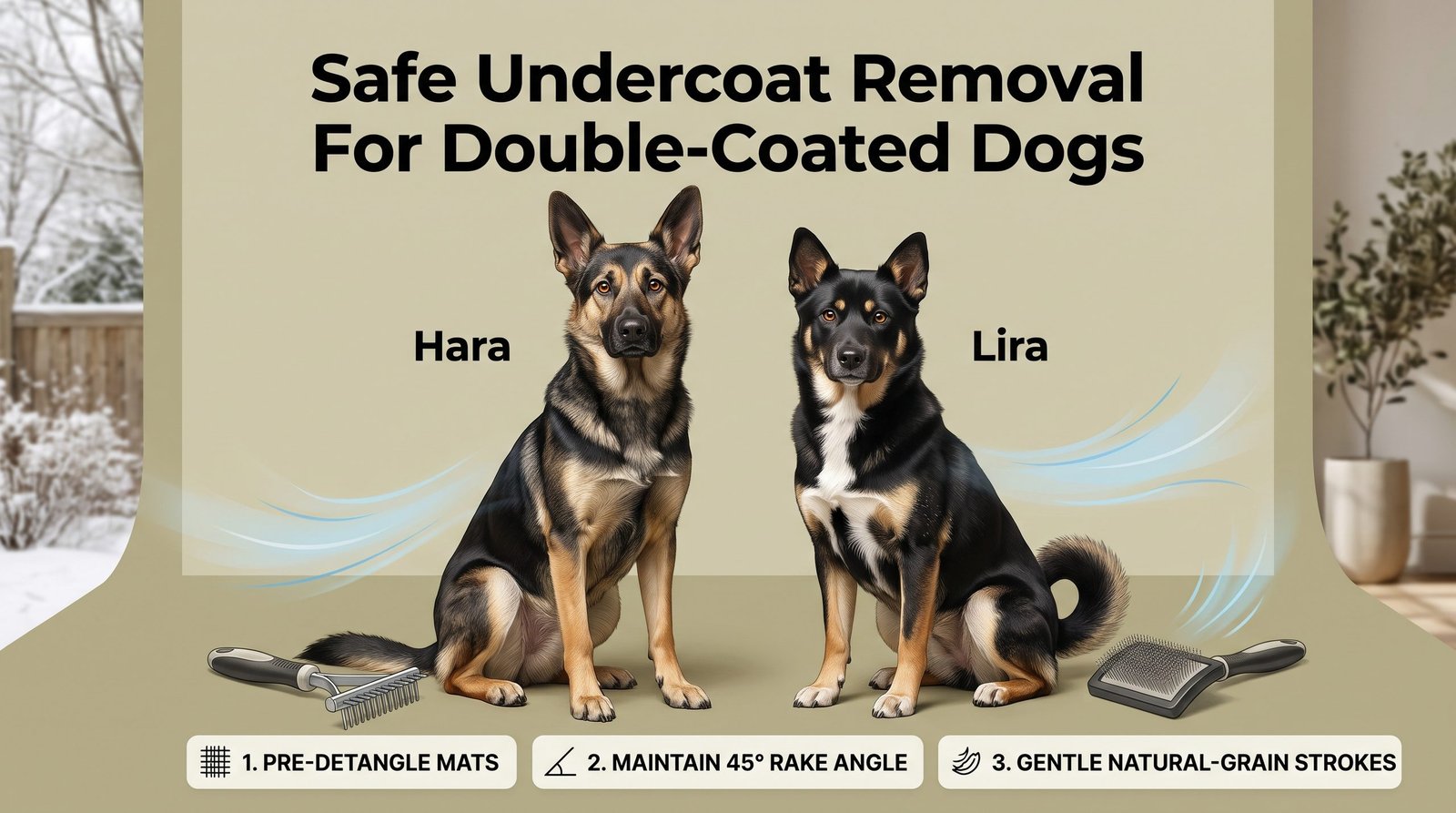
Ultimate Undercoat Removal Guide for Double-Coated Dogs: Skin-Safe Raking Techniques

As seasonal coat-blowing begins, households with double-coated dogs find themselves under an avalanche of shedding fur. While the outer guard coat looks dense and healthy, dead, non-follicular undercoat builds up silently beneath the surface, blocking natural airflow to the skin and creating a prime environment for dermatological infections. Merely brushing the surface does nothing to … Read more

Canine Nail Trimming Without Bleeding: The Cross-Section Protocol & Quick Retraction Guide

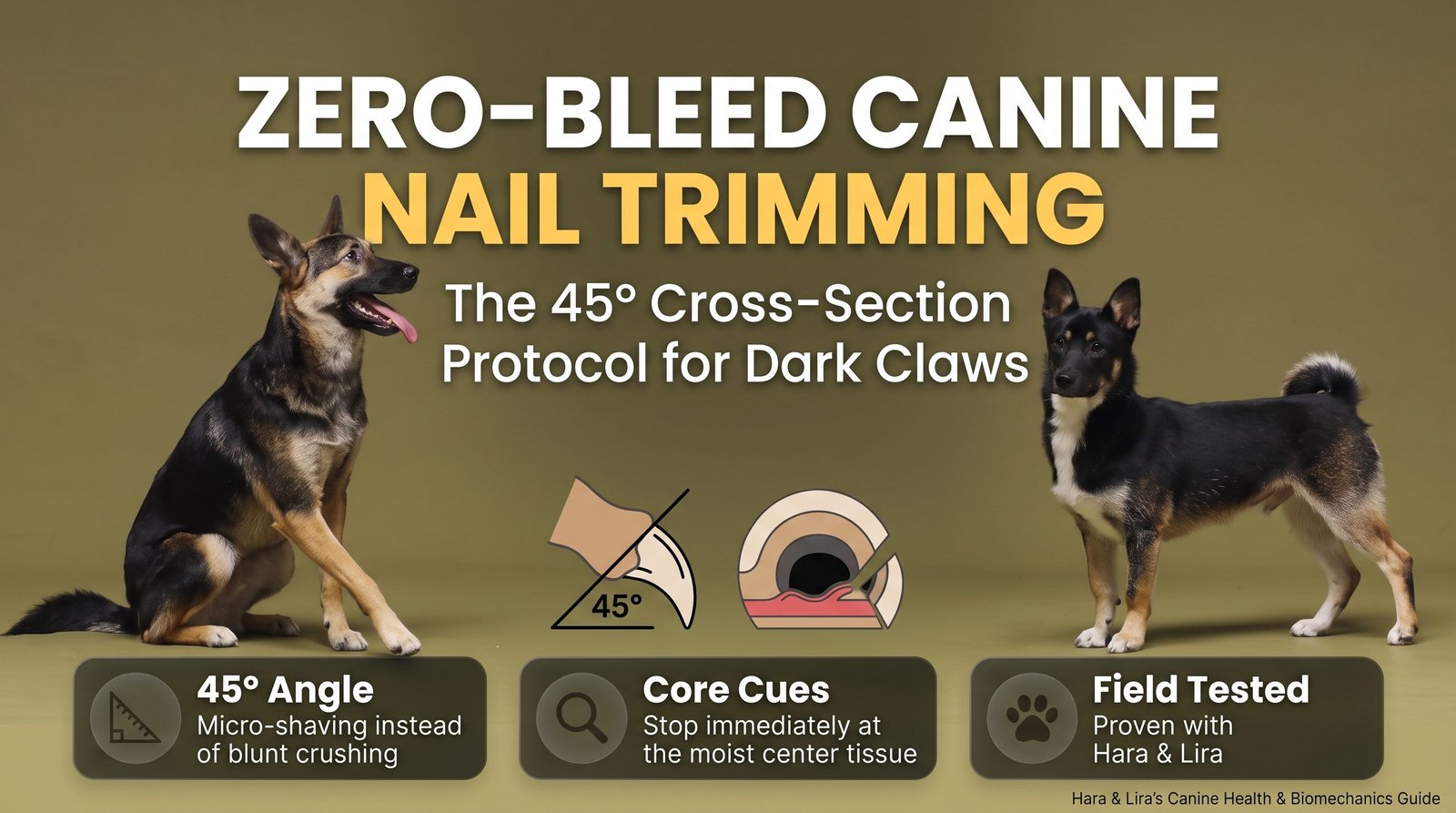
Learning how to trim black dog nails without causing pain or bleeding is one of the most challenging grooming tasks for pet owners. Accidental quick strikes during canine nail trimming are rarely caused by poor handling alone; rather, they stem from cutting across non-transparent keratin at indiscriminate angles without reading internal structural transitions. For athletic … Read more

Dog Paw Care After Walk: Wash vs Wipe and How to Prevent Pododermatitis

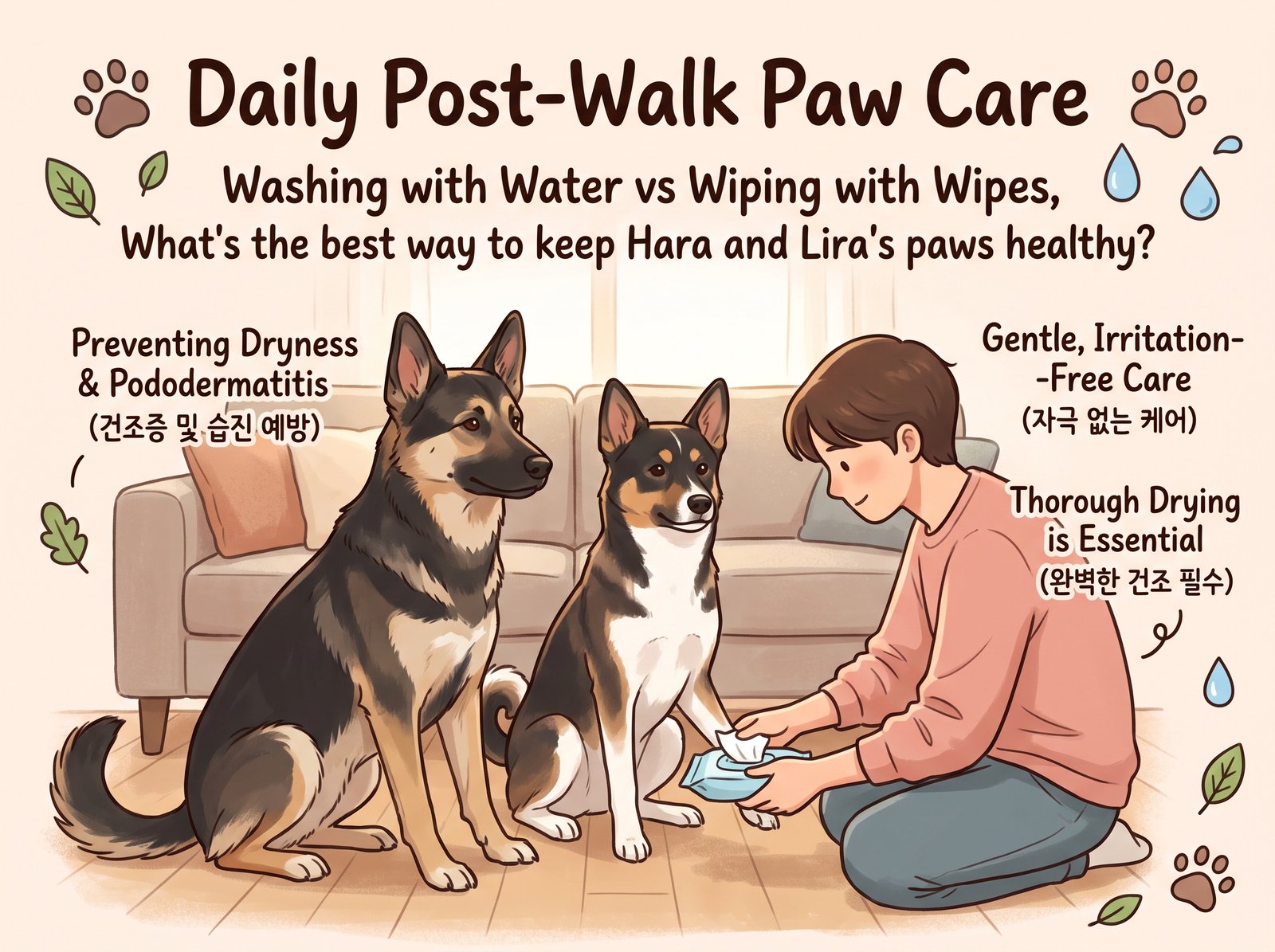
Implementing proper dog paw care after walk routines is critical for protecting your dog’s pad barrier. Many pet owners routinely wash their pet’s feet with running water and soap after outdoor exercise. However, excessive washing breaks down the protective lipid layer of the foot pads, causing dry skin, micro-cracks, and chronic interdigital dermatitis (pododermatitis). Optimal … Read more

Indoor Humidity Standards for Canine Static Shock Prevention and Coat Integrity: The Biomechanics of Double-Coat Skin Barriers

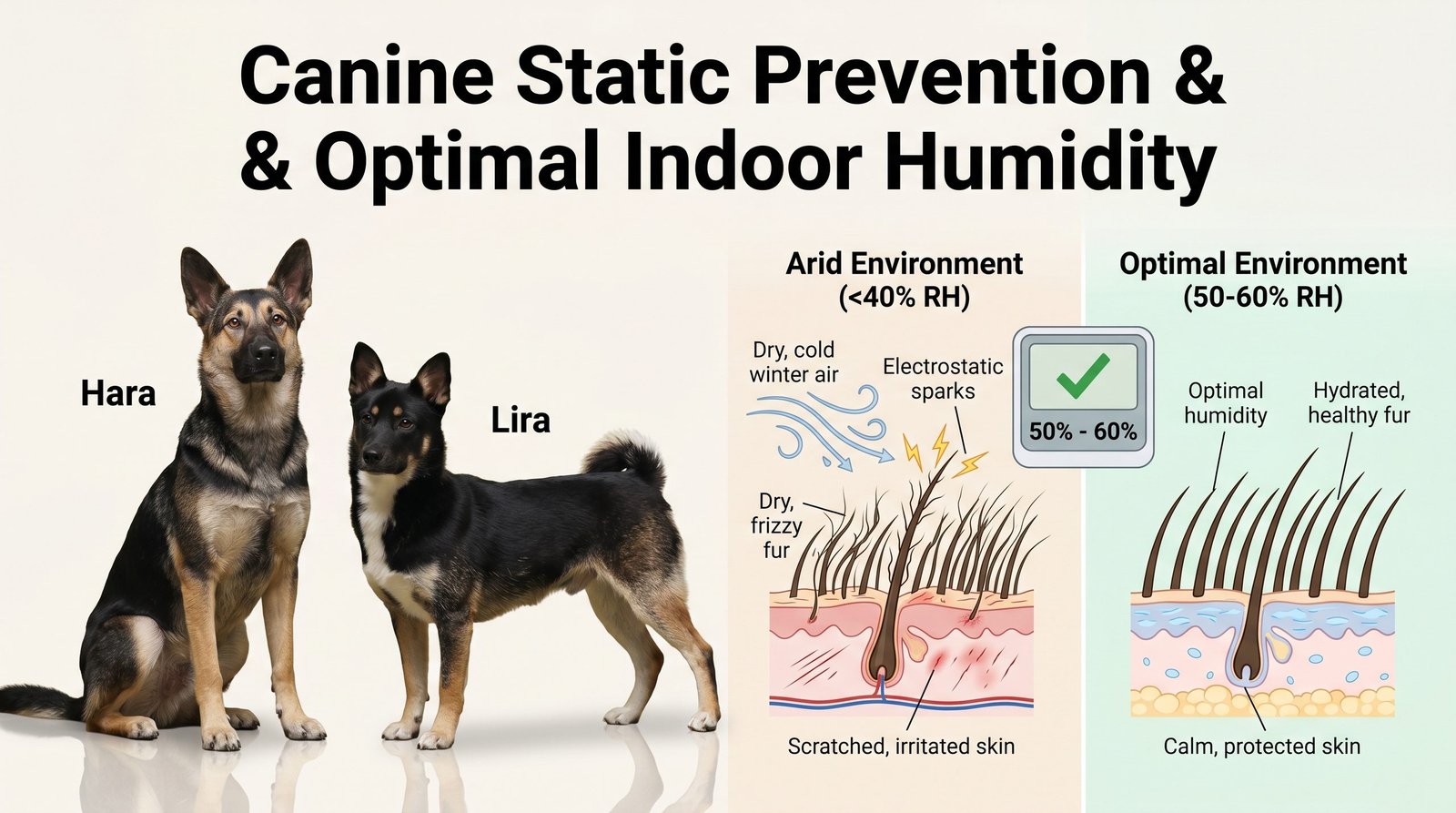
If you are struggling with dog static electricity during the dry winter months, your indoor heating and low humidity may be stripping your dog’s coat of moisture. The sharp crackle of static electricity when stroking a dog during winter is far more than a minor domestic nuisance; it is a clinical biomarker of epidermal barrier … Read more

Ending the Grooming Battle: Brush Selection and Matting Management for Double and Short Coats

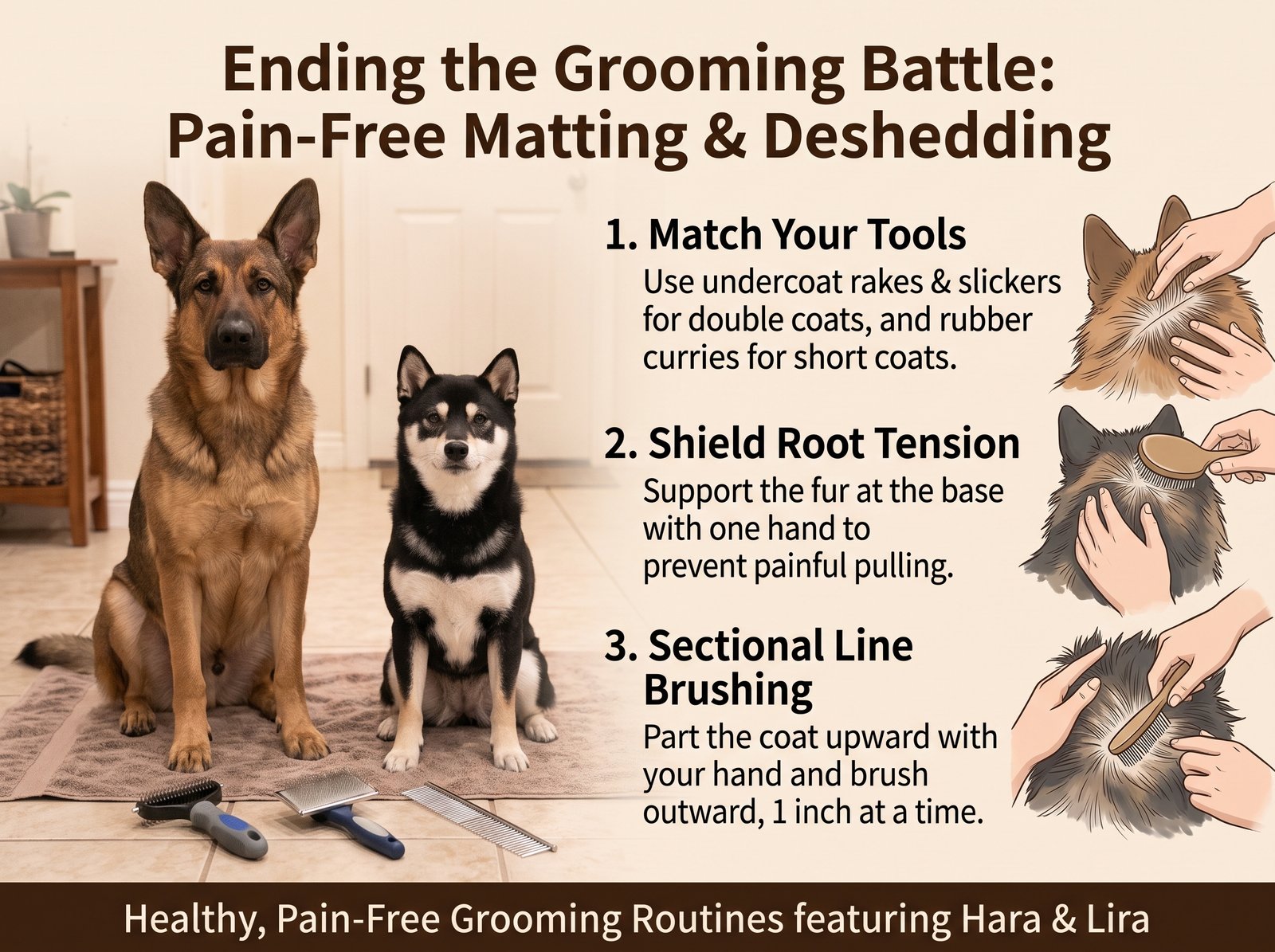
Growling, evasion, and defensive mouthing when a brush appears are rarely signs of disobedience. Instead, they are direct physiological defense mechanisms against “brush burn”—severe micro-abrasions caused by improper pin angles—and the agonizing traction pain of tangled hair being wrenched from the skin. Double-coated breeds like German Shepherd crosses and Shiba or Jindo mixes trap immense … Read more

Canine Claw Hyper-Elongation and Compensatory Biomechanics: A 4-Step Trimming Protocol to Preserve Gait Integrity

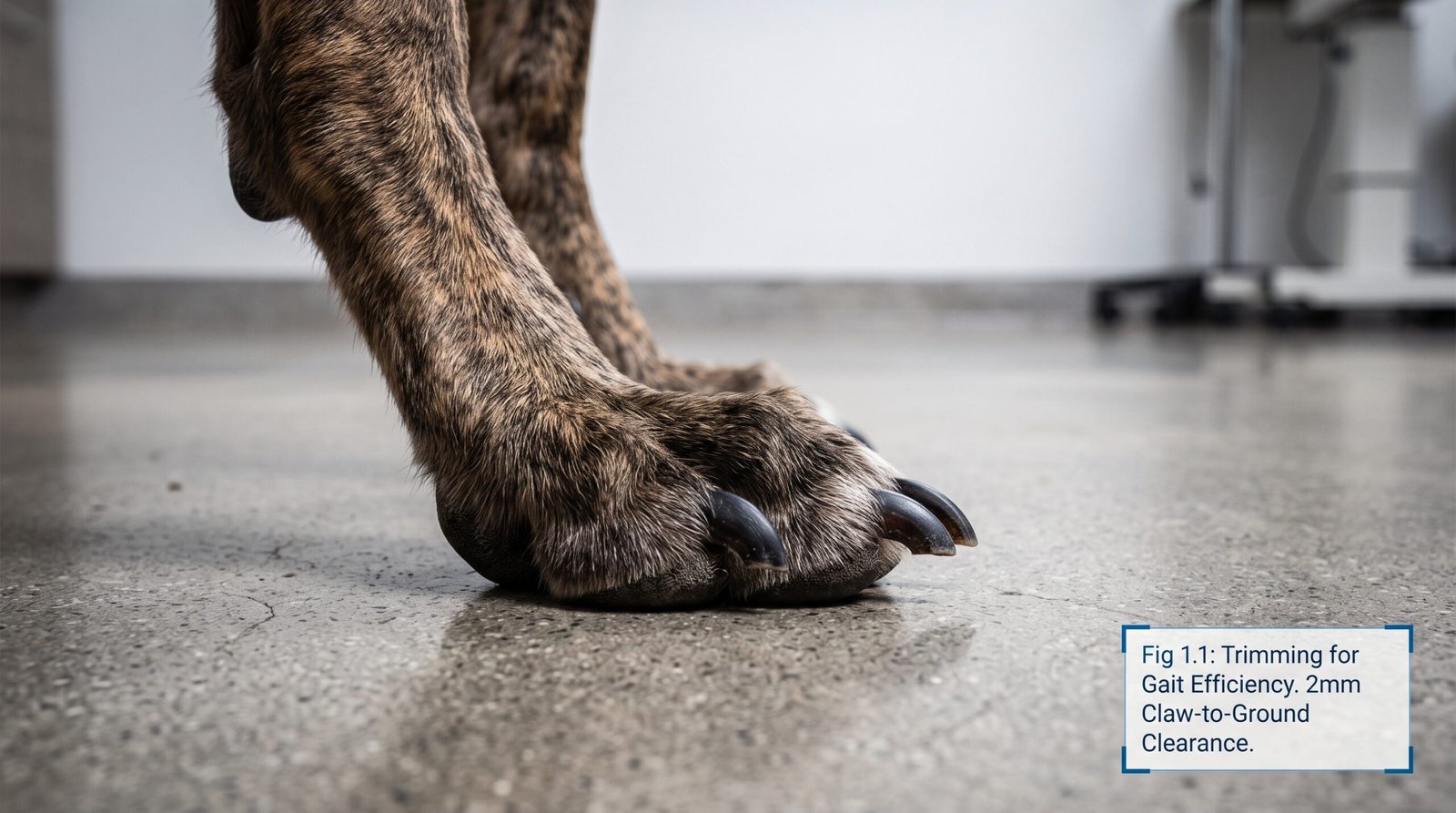
Understanding dog claw biomechanics is essential, as treating canine claw maintenance merely as an aesthetic or hygienic routine is a major orthopedic error. While claws provide critical mechanical traction and propulsion during locomotion, excessive length forces the distal phalanges into unnatural dorsiflexion upon ground impact. In high-drive crossbreeds combining the angular, heavy lever system of … Read more

The Critical Dangers of Shaving Double-Coated Dogs: Preventing Post-Clipping Alopecia and the 4-Step Undercoat Protocol

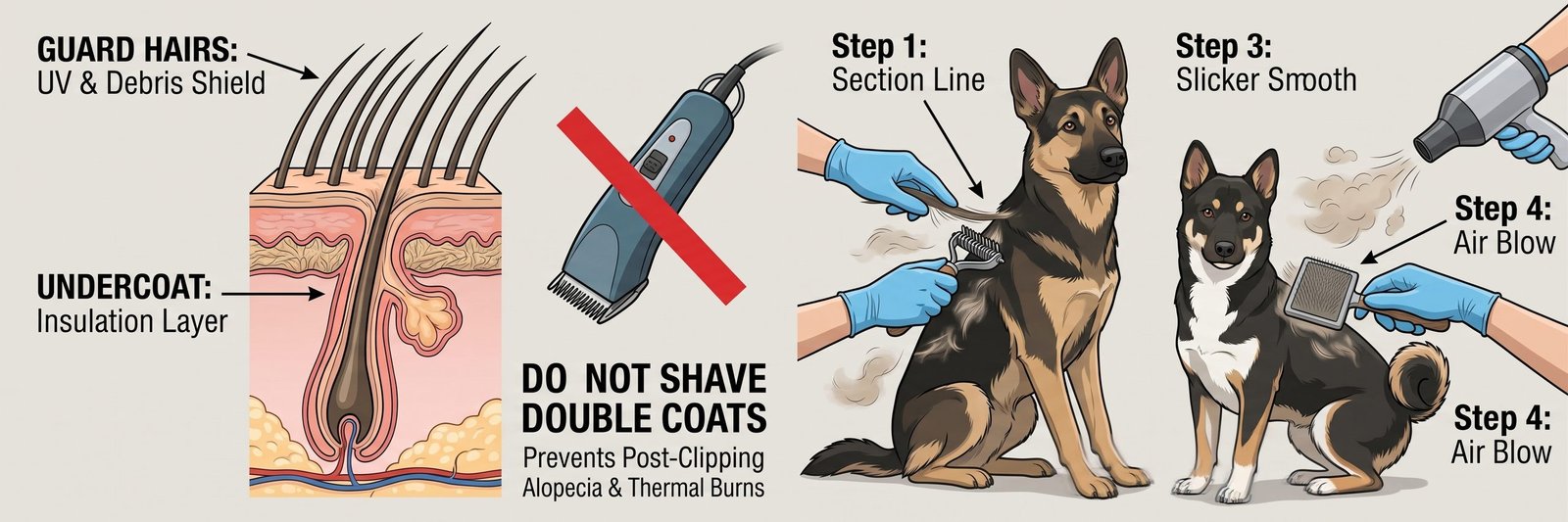
Shaving double-coated dogs is a dangerous practice that permanently damages their coat and thermal defense. A canine coat is not an aesthetic accessory; it is an indispensable physiological barrier shielding skin integrity and metabolic equilibrium. Double-coated breeds—including German Shepherds, Shibas, Spitz-type breeds, and their crossbreeds—possess a dual-layered coat architecture operating as a natural thermodynamic regulator. … Read more

How to Deshed a Double Coated Dog: 4-Step Protocol to Cut Shedding by 80%

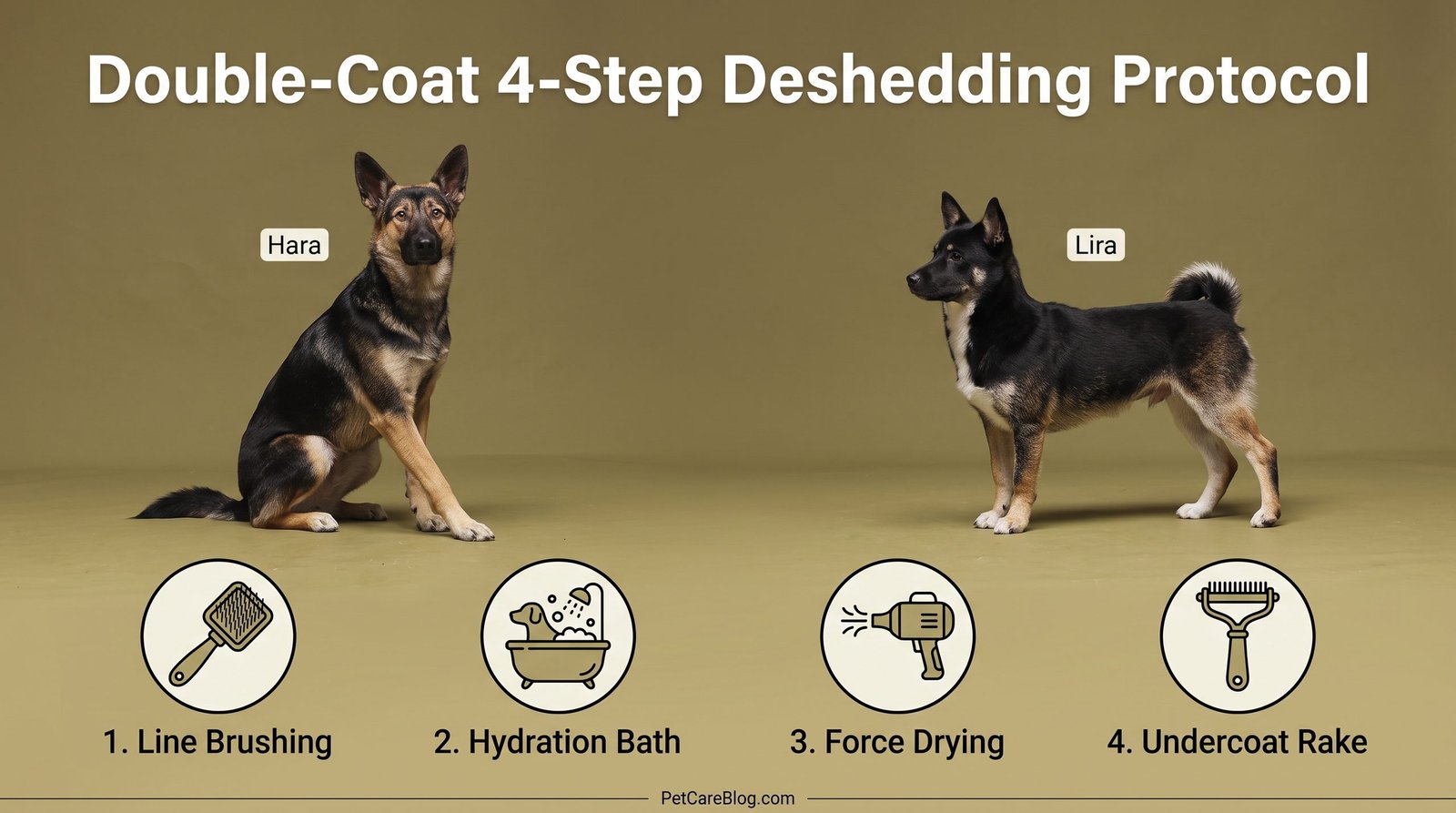
Learning how to deshed a double coated dog correctly is essential when vacuuming hardwood floors twice daily fails to resolve the relentless storm of flying undercoat. For athletic, double-coated canines—particularly shepherd mixes with strong native Spitz ancestry—the structural layering of dense wooly undercoat trapped beneath coarse guard hair presents a serious dermatological risk. When trapped … Read more