Canine Claw Hyper-Elongation and Compensatory Biomechanics: A 4-Step Trimming Protocol to Preserve Gait Integrity
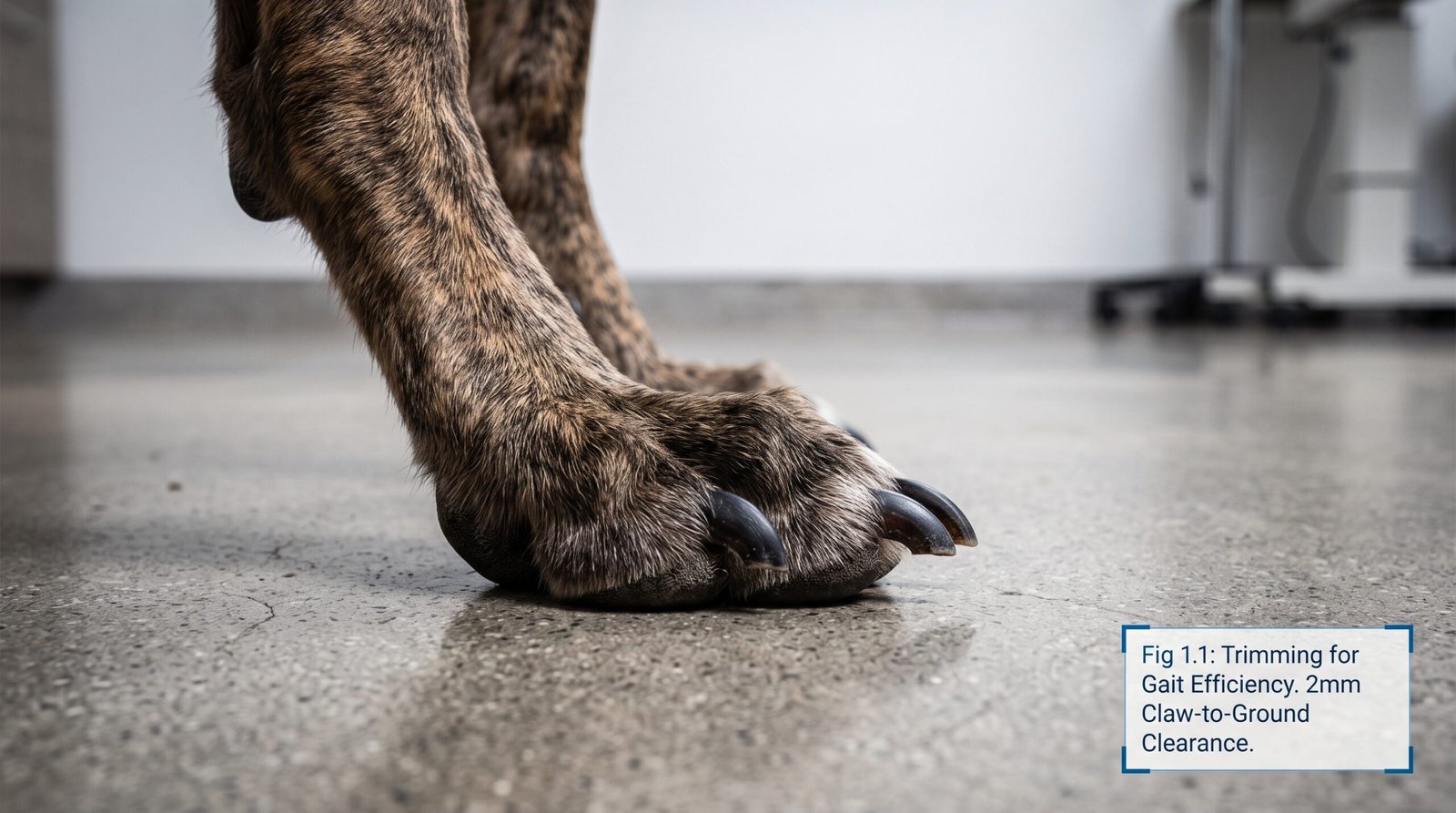
Understanding dog claw biomechanics is essential, as treating canine claw maintenance merely as an aesthetic or hygienic routine is a major orthopedic error. While claws provide critical mechanical traction and propulsion during locomotion, excessive length forces the distal phalanges into unnatural dorsiflexion upon ground impact. In high-drive crossbreeds combining the angular, heavy lever system of … Read more
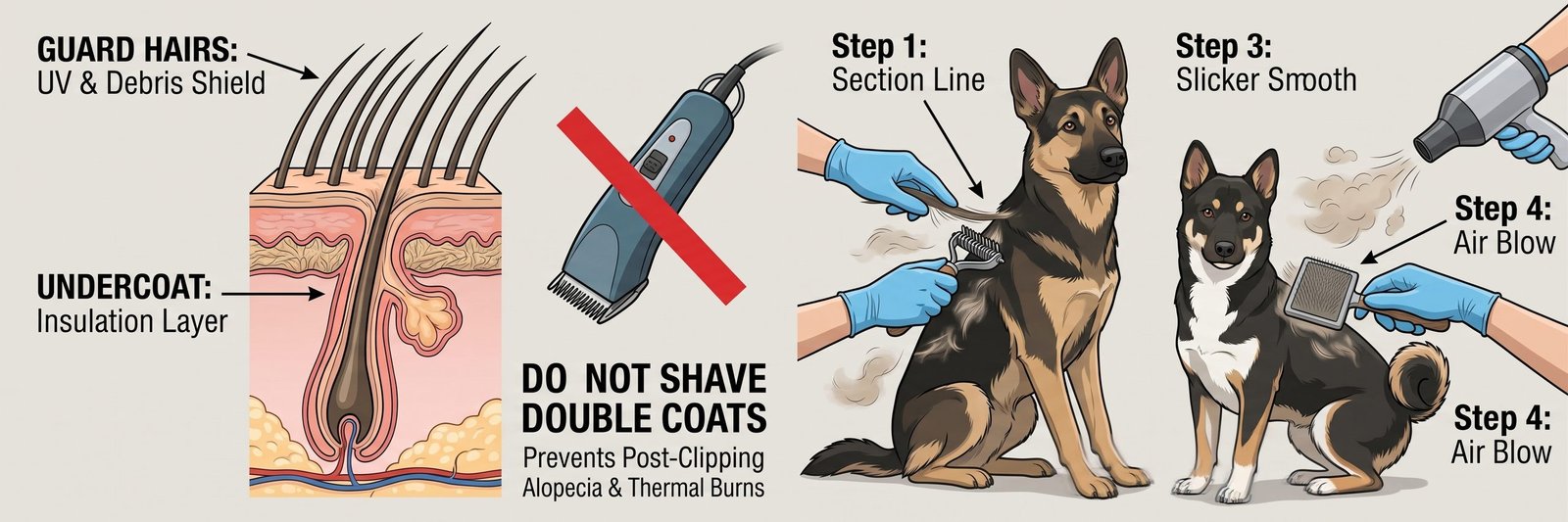
The Critical Dangers of Shaving Double-Coated Dogs: Preventing Post-Clipping Alopecia and the 4-Step Undercoat Protocol

Shaving double-coated dogs is a dangerous practice that permanently damages their coat and thermal defense. A canine coat is not an aesthetic accessory; it is an indispensable physiological barrier shielding skin integrity and metabolic equilibrium. Double-coated breeds—including German Shepherds, Shibas, Spitz-type breeds, and their crossbreeds—possess a dual-layered coat architecture operating as a natural thermodynamic regulator. … Read more

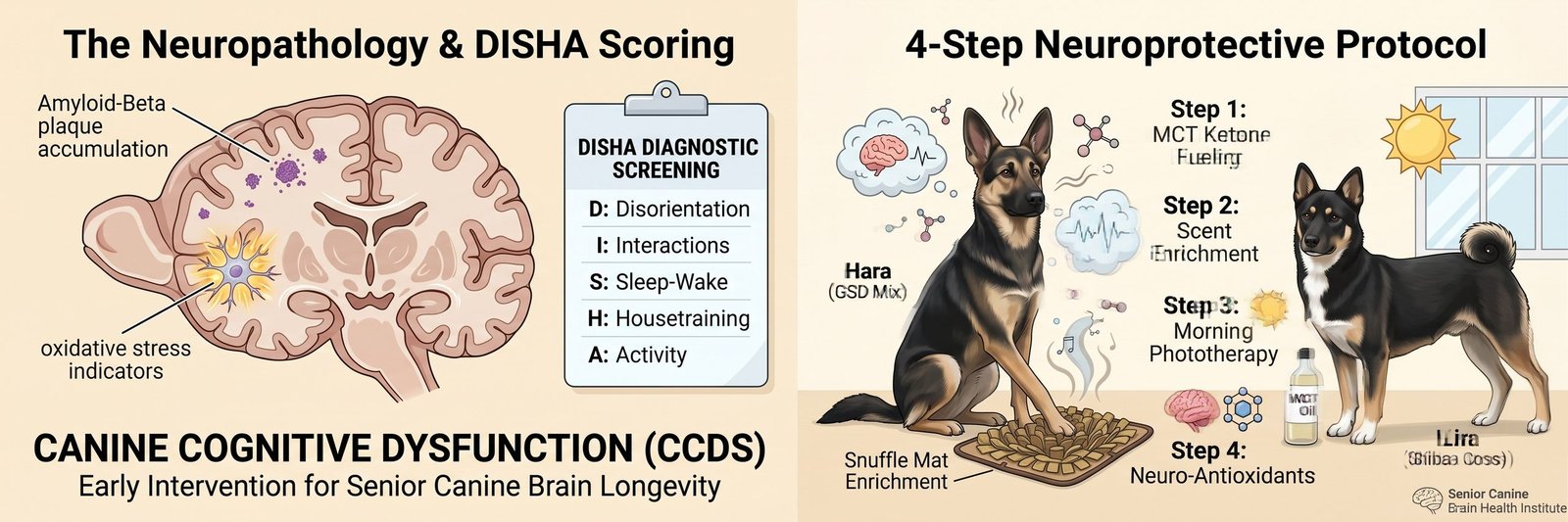
Canine Cognitive Dysfunction Symptoms: DISHA Scoring Matrix & 4-Step Neuroprotective Protocol

Canine cognitive dysfunction symptoms represent far more than benign behavioral quirks of old age; they are the external hallmarks of Canine Cognitive Dysfunction Syndrome (CCDS), an irreversible, progressive neurodegenerative disease pathologically parallel to human Alzheimer’s disease. Epidemiological data indicates that 14% to 35% of dogs aged 8 and older suffer from CCDS, with prevalence exceeding … Read more

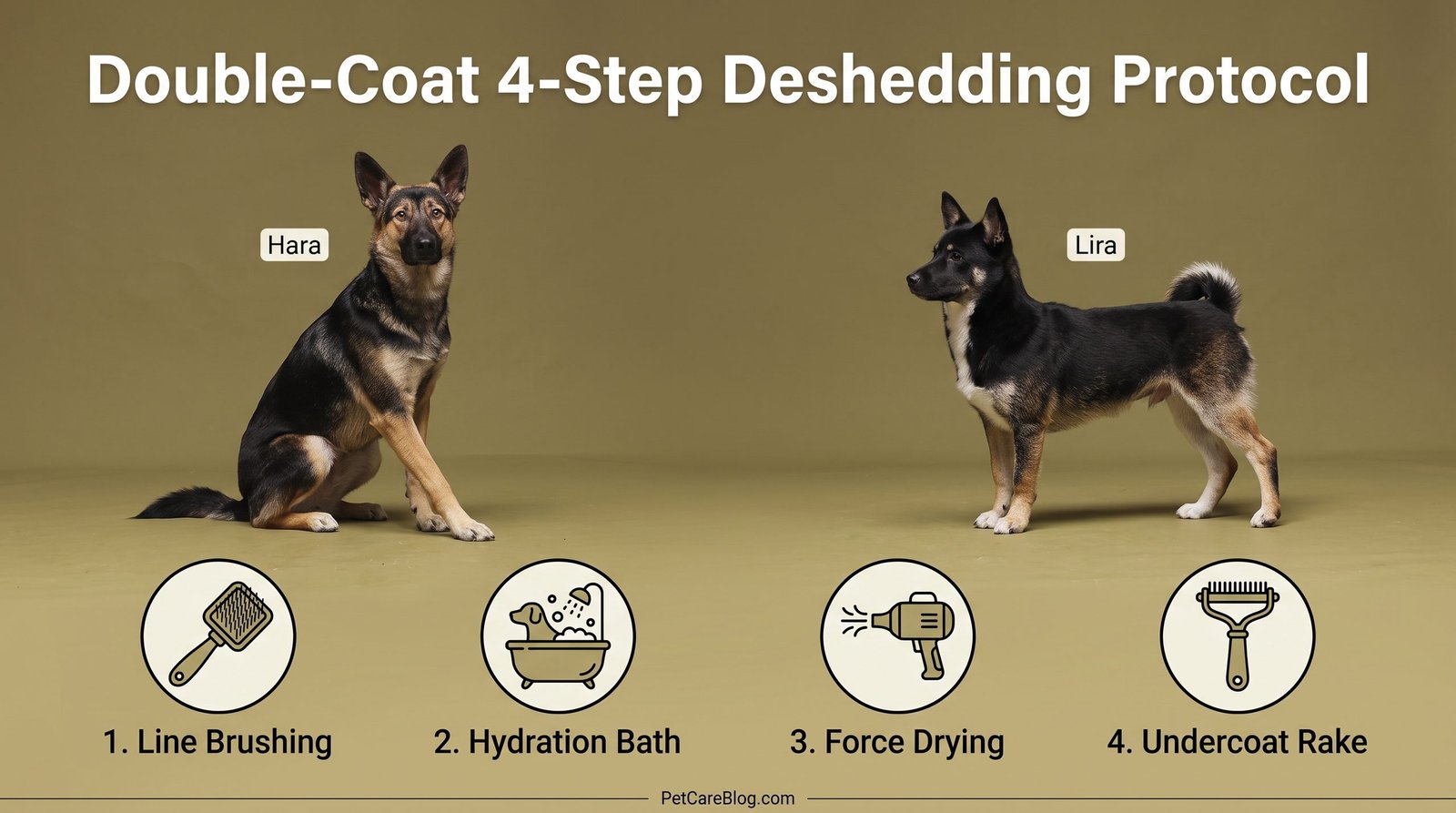
How to Deshed a Double Coated Dog: 4-Step Protocol to Cut Shedding by 80%

Learning how to deshed a double coated dog correctly is essential when vacuuming hardwood floors twice daily fails to resolve the relentless storm of flying undercoat. For athletic, double-coated canines—particularly shepherd mixes with strong native Spitz ancestry—the structural layering of dense wooly undercoat trapped beneath coarse guard hair presents a serious dermatological risk. When trapped … Read more

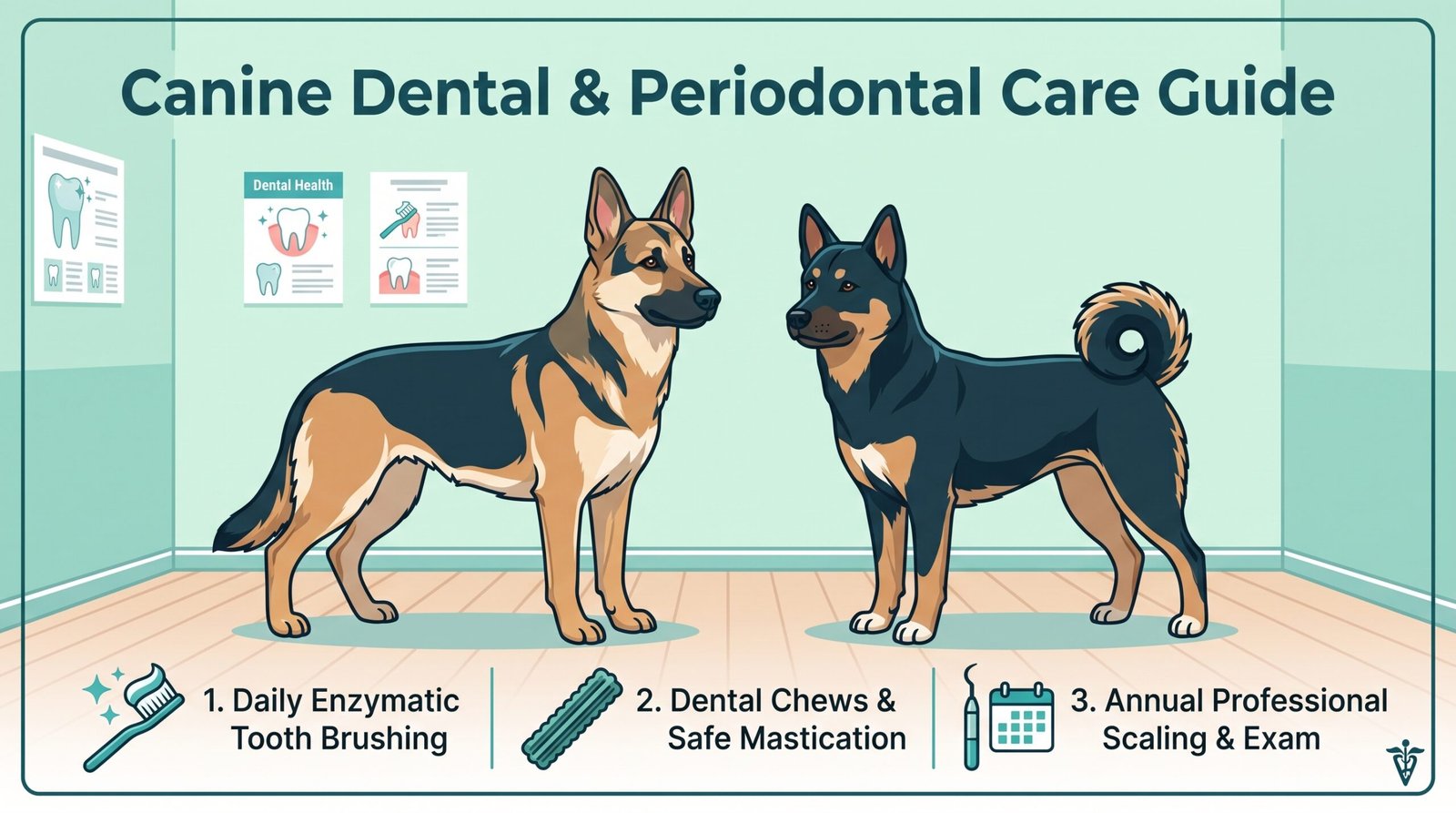
Comprehensive Canine Periodontal Disease Prevention Protocol: Tooth Brushing Desensitization and Tartar Control for Active Dogs

Effective canine periodontal disease prevention directly governs systemic longevity far beyond cosmetic breath control. Periodontal pathogens entering through inflamed gingival micro-fissures represent a primary vector for bacteremia, contributing to bacterial endocarditis, chronic renal glomerulonephritis, and hepatic micro-abscesses. According to the American Veterinary Dental College (AVDC), over 80% of canines exhibit active stages of periodontal pathology … Read more

Maximizing Dog Joint Health: 7 Science-Backed Strategies for Longevity and Mobility

Proactively supporting canine joint health is the cornerstone of every dog’s mobility and long-term quality of life. Without the ability to run, jump, and play freely, physical health and mental well-being quickly deteriorate. For large and athletic breeds—like my own German Shepherd mix, Hara—targeted joint care is even more critical, as robust activity places immense … Read more

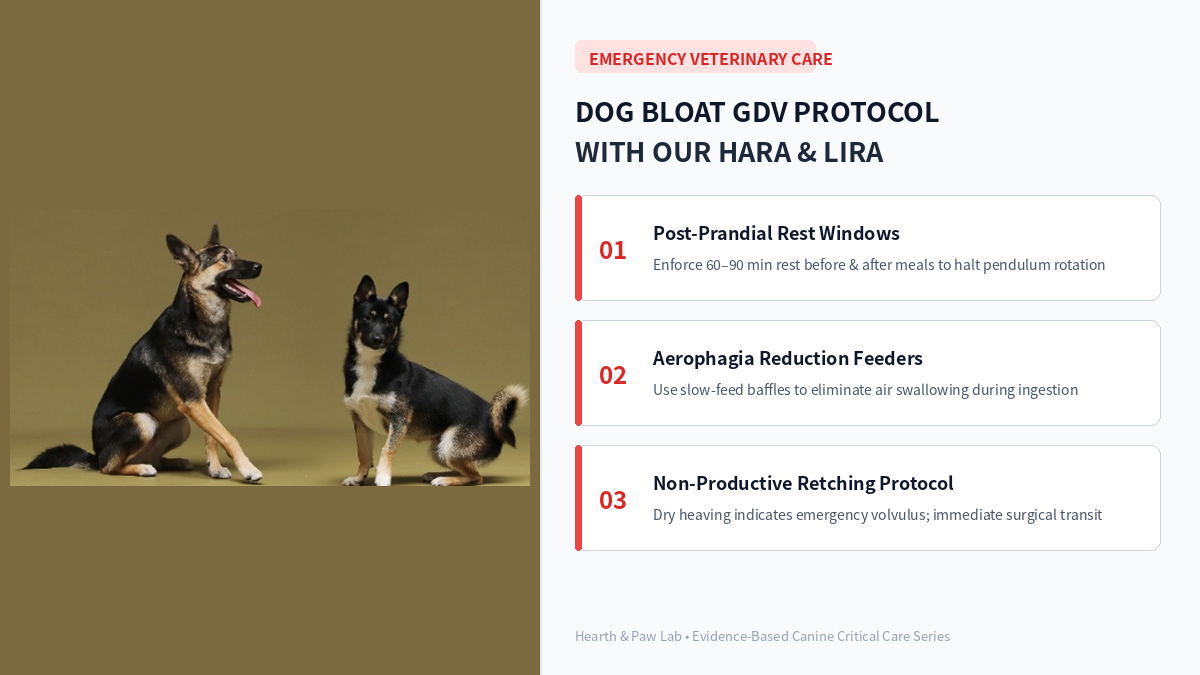
Large Canine GDV Prevention: Causes, Symptoms, and Feeding Rules

When executing disciplined dog bloat prevention, observing a canine repeatedly heave without producing vomitus alongside rapid abdominal distension signals Gastric Dilatation-Volvulus (GDV)—the most lethal gastrointestinal emergency in veterinary medicine. Deep-chested large canines and working mixes possess prolonged gastric ligaments, rendering their anatomically heavy stomachs susceptible to rotating 180 to 360 degrees along the mesenteric axis. … Read more

Winter Canine Paw Care: Preventing Chemical De-icer Burns, Fissures, and Interdigital Dermatitis

When managing dog winter paw care, observing a dog abruptly lift a paw or obsessively lick their feet signals acute chemical trauma and pododermatitis rather than mere cold intolerance. Road de-icers—predominantly calcium chloride and rock salts—exert severe chemical exfoliation and thermal burns on the canine stratum corneum. For heavy, highly athletic working breeds and mixed … Read more

Canine Cutaneous Adverse Food Reactions (CAFR): A Clinical Protocol for Elimination Diets and Dermatological Management

Conducting a strict dietary elimination trial for dogs is essential when persistent pedal pruritus, chronic bilateral otitis externa, and recurrent superficial pyoderma fail to respond to standard therapy. While these symptoms in dogs are frequently misdiagnosed as simple seasonal allergies, they may represent cutaneous adverse food reactions (CAFR). In clinical reality, CAFR accounts for up … Read more

Canine Joint Biomechanics: A 3-Tier Exercise and Weight-Bearing Protocol for Hip and Patella Preservation

Understanding canine joint biomechanics reveals why canine lameness and difficulty rising do not emerge until over 30% of articular cartilage has already undergone irreversible degradation. Evolutionary instincts compel canines to suppress overt signs of orthopedic pain, making early micro-inflammatory processes difficult to observe with the naked eye. True orthopedic longevity relies not on post-symptomatic supplementation, … Read more